
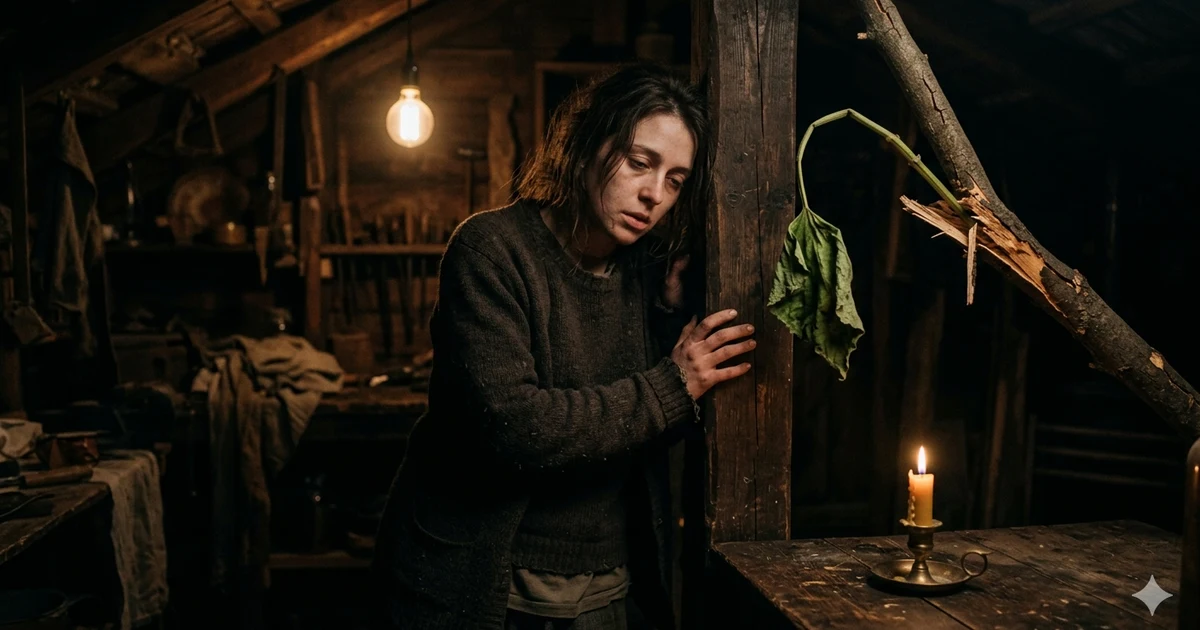
Quick Answer Box
What Is a Simile for Weakness?
A simile for weakness compares a person, feeling, or condition to something fragile, exhausted, or lacking strength using words such as like or as. Writers use these comparisons to create stronger imagery and help readers understand weakness more clearly.
Introduction
Weakness can feel difficult to describe with plain words. Saying someone looked weak or felt weak often misses emotion, detail, and meaning. That is where similes help.
A good simile turns an ordinary description into something readers can picture and feel. Instead of saying a character seemed tired, you might say they looked like a fading candle. That simple comparison creates a stronger image.
In this guide, you will learn what a simile for weakness means, explore different examples, understand when to use them, and discover how to write your own original comparisons.
What Is a Simile for Weakness and Why Writers Use It
A simile for weakness compares weakness to something else using words such as like or as.
Writers use similes to make emotions and physical conditions easier to imagine.
Examples:
• Weak as a wilted flower
• Weak like a thread ready to snap
• Weak as melting ice
These comparisons create stronger images than direct statements.
Simile for Weakness Explained in Simple Words
A simile helps readers understand one thing through another familiar image.
Example:
She felt weak.
Compared with:
She felt as weak as a leaf drifting in the wind.
The second sentence creates movement, emotion, and atmosphere.
Weakness can refer to:
• Physical weakness
• Emotional weakness
• Mental exhaustion
• Lack of confidence
How Similes Make Descriptions of Weakness More Powerful
Similes turn abstract feelings into visual moments.
Instead of writing:
He became weak.
You could write:
He became weak like a candle losing its final glow.
Benefits of similes:
• Add emotion
• Improve readability
• Create memorable descriptions
• Build stronger characters
Most Common Similes for Weakness in Everyday Language
Many people already use similes naturally.
Examples:
• Weak as a kitten
• Weak as paper
• Weak like wet cardboard
• Weak as an empty shell
• Weak as fading sunlight
These work well because readers recognize them instantly.
Simile for Weakness Like a Fading Candle and What It Suggests
A fading candle suggests energy disappearing slowly.
Example:
After days without rest, she looked like a fading candle.
This simile communicates:
• Exhaustion
• Fragility
• Limited strength
• Emotional decline
Use it when describing gradual loss.
Simile for Weakness Like a Broken Branch and When to Use It
A broken branch appears damaged and unable to recover easily.
Example:
His confidence hung like a broken branch after the failure.
This comparison works well for:
• Emotional setbacks
• Physical injuries
• Defeated characters
Emotional Similes for Weakness That Feel Natural
Emotional weakness often appears quietly.
Examples:
• Fragile as thin glass
• Weak like a song fading away
• Soft as melting snow
• Lost like smoke in the air
Sentence example:
Her courage disappeared like smoke in the wind.
Physical Similes for Weakness With Clear Examples
Physical weakness benefits from concrete imagery.
Examples:
• Weak as wet paper
• Weak like an old rope
• Weak as a dying flame
• Weak like legs after a marathon
Sentence:
His arms felt as weak as rope soaked in water.
Similes for Mental Weakness in Creative Writing
Mental weakness often involves confusion or emotional overload.
Examples:
• Thoughts scattered like fallen leaves
• Mind weak as worn fabric
• Focus slipping like sand through fingers
Sentence:
Her concentration slipped like water through open hands.
Simile for Weakness in Poetry and Descriptive Language
Poetry often relies on soft and symbolic comparisons.
Examples:
• Weak as winter sunlight
• Weak like fading echoes
• Weak as the last wave reaching shore
These create mood instead of direct explanation.
Strong and Original Alternatives to Common Weakness Similes
Avoid overused comparisons when possible.
Fresh examples:
• Weak like a phone battery at one percent
• Weak as footprints disappearing in rain
• Weak like morning fog under sunlight
• Weak as paper left in water
Original images feel more memorable.
How to Create Your Own Simile for Weakness
Follow this simple method:
Step 1: Identify the type of weakness
Step 2: Think of an object with similar qualities
Step 3: Connect them naturally
Example:
Weakness: exhaustion
Object: empty battery
Result:
She moved like a battery losing its charge.
Simile for Weakness in Character Descriptions
Similes reveal personality and emotional state.
Examples:
The old warrior stood like a tree hollow at the center.
The student smiled like someone carrying invisible weight.
These descriptions show instead of tell.
Simile for Weakness in Storytelling and Fiction Writing
Stories become stronger when readers experience emotions visually.
Example:
He entered the room as weak as fading music.
Tips:
• Match the tone of the story
• Keep comparisons believable
• Avoid mixing too many images
Similes for Weakness That Show Exhaustion and Low Energy
Examples:
• Weak like drained batteries
• Weak as a runner at the finish line
• Weak like fire after rain
• Weak as dry leaves
Sentence:
By evening she felt like a fire reduced to smoke.
Similes for Weakness That Express Vulnerability
Vulnerability often combines weakness with uncertainty.
Examples:
• Weak as thin ice
• Weak like an open umbrella in a storm
• Weak as a feather in strong wind
Sentence:
His confidence felt as thin as ice beneath his feet.
Examples of Simile for Weakness in Sentences
Examples:
She looked as weak as a candle in the rain.
His voice sounded weak like distant thunder.
Their determination faded like old paint.
I felt weak as a leaf caught in cold wind.
The athlete moved like an engine running out of fuel.
Common Mistakes to Avoid When Writing Similes for Weakness
Avoid these issues:
• Using comparisons readers cannot understand
• Repeating the same images
• Making similes too long
• Mixing unrelated emotions
Weak example:
Weak like a mountain and a cloud and a river.
Better:
Weak like a candle losing light.
Simile for Weakness Compared With Metaphor
A simile compares.
Example:
She was as weak as paper.
A metaphor states directly.
Example:
She was paper.
Similes usually feel softer and more descriptive.
Metaphors feel stronger and more direct.
Quick List of the Best Similes for Weakness
• Weak as a fading candle
• Weak like melting snow
• Weak as thin glass
• Weak as dry leaves
• Weak like smoke in the wind
• Weak as old paper
• Weak like a broken branch
• Weak as an empty shell
• Weak like a dying flame
• Weak as fading music
Conclusion
A simile for weakness does more than describe low strength. It helps readers see emotion, feel exhaustion, and understand vulnerability through familiar images.
Whether you write stories, poems, essays, or everyday descriptions, the right simile makes your words more vivid and memorable.
Start with simple comparisons and build toward original images that match the feeling you want readers to experience.
FAQs
What is a simile for weakness?
A simile for weakness compares weakness to another object or idea using words like or as.
What is the most common simile for weakness?
Weak as a kitten remains one of the most common examples.
Can weakness similes describe emotions?
Yes. Similes often describe sadness, fear, stress, and emotional exhaustion.
How do I create an original simile?
Choose an emotion or condition and compare it with something readers recognize.
Are similes useful in creative writing?
Yes. They add detail and strengthen emotional impact.
What makes a good simile?
Clarity, relevance, and strong imagery.
Can similes describe physical weakness?
Yes. Writers often use objects that appear fragile or exhausted.
What is the difference between simile and metaphor?
A simile uses comparison words. A metaphor makes a direct statement.
Should I avoid common similes?
Not always. Use them carefully and add original ideas when possible.
Can students use similes in essays?
Yes. Similes improve descriptive writing and engagement.
