
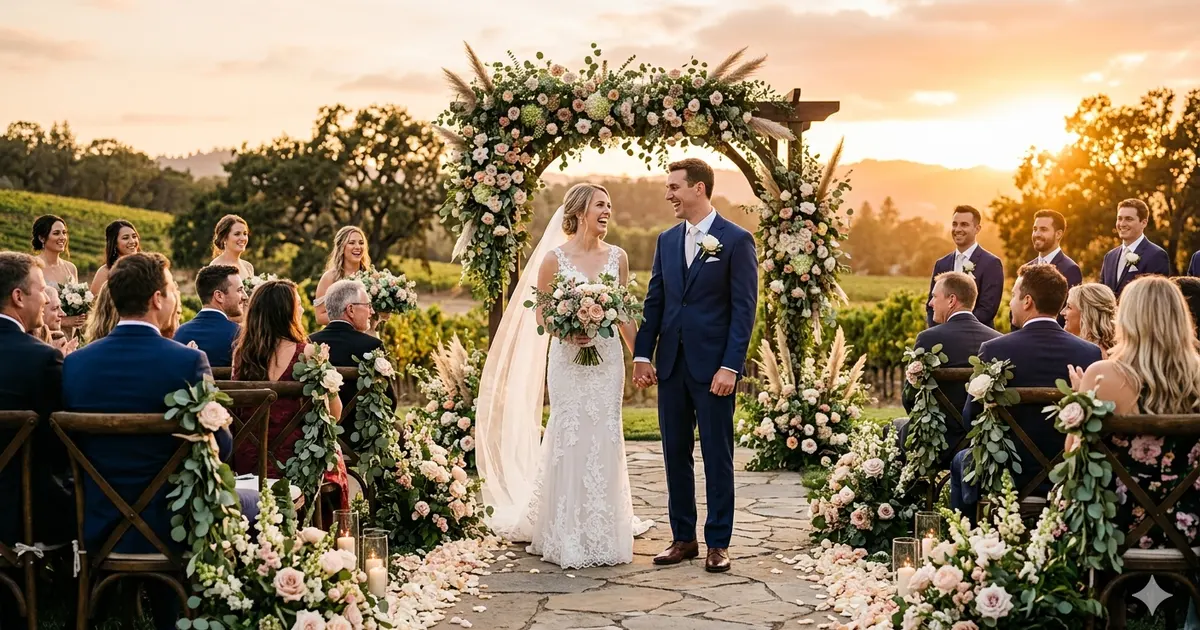
Quick Answer Box
What is a simile for weddings?
A simile for weddings is a comparison that describes a wedding by using words such as “like” or “as.” It helps create vivid imagery and express emotions more effectively.
Introduction
Weddings bring together love, joy, hope, and celebration in a way few events can. Because weddings create such strong emotions and beautiful memories, writers often look for creative ways to describe them. One of the best tools for this purpose is a simile.
A simile compares one thing to another using words such as “like” or “as.” It helps readers picture a scene more clearly and feel the emotions behind it.
In this guide, you will learn what a simile for weddings means, discover popular examples, understand what different wedding similes suggest, and learn how to create your own original comparisons for speeches, stories, poems, and creative writing.
What Is a Simile for Weddings and Why Writers Use It
A simile for weddings compares a wedding or an aspect of a wedding to something else that shares similar qualities.
Examples include:
- The wedding was like a fairytale.
- Their celebration sparkled like a field of stars.
- The ceremony flowed like a beautiful song.
Writers use wedding similes because they:
- Create vivid imagery
- Express emotions clearly
- Make descriptions more memorable
- Add beauty to storytelling
- Help readers connect emotionally
Instead of saying a wedding was beautiful, a writer can compare it to something familiar and powerful.
Simile for Weddings Explained in Simple Words
A wedding simile simply compares a wedding to another object, event, or experience.
For example:
- The wedding was like a dream come true.
- Their love shone like sunlight on a summer morning.
These comparisons help readers imagine the atmosphere and emotions of the event.
Without similes:
“The wedding was wonderful.”
With similes:
“The wedding felt like stepping into a magical dream.”
The second sentence creates a much stronger image.
How Similes Make Wedding Descriptions More Memorable
People remember images better than plain statements.
Consider these examples:
- The ballroom glittered like a palace of crystal.
- The bride smiled like the first ray of sunshine after a storm.
- The couple danced like two leaves moving in the breeze.
Each comparison creates a picture in the reader’s mind.
Strong imagery makes wedding speeches, stories, and articles more engaging.
Most Common Similes for Weddings in Everyday Language
Many wedding similes appear regularly in conversations and writing.
Common examples include:
- Like a fairytale
- Like a dream come true
- Like heaven on earth
- Like a magical journey
- Like a perfect picture
- Like a celebration of stars
- Like a blooming garden
- Like a beautiful song
These similes remain popular because they instantly communicate happiness and romance.
Simile for Weddings Like a Fairytale and What It Suggests
“The wedding was like a fairytale.”
This simile suggests:
- Romance
- Magic
- Beauty
- Happy endings
- Fantasy
Example:
“The castle venue made the wedding feel like a fairytale brought to life.”
This comparison works especially well for elegant and luxurious weddings.
Simile for Weddings Like a Dream Come True
“The wedding was like a dream come true.”
This simile emphasizes:
- Fulfilled hopes
- Happiness
- Excitement
- Personal achievement
Example:
“After years together, their wedding felt like a dream come true.”
People often use this comparison because weddings represent important life milestones.
Simile for Weddings Like a Blooming Garden
“The wedding was like a blooming garden.”
This simile symbolizes:
- Growth
- New beginnings
- Beauty
- Fresh opportunities
Example:
“The ceremony looked like a blooming garden filled with color and life.”
This comparison fits outdoor weddings especially well.
Simile for Weddings Like a Symphony of Love
“The wedding was like a symphony of love.”
This simile highlights:
- Harmony
- Unity
- Emotional beauty
- Perfect coordination
Example:
“Every detail blended together like a symphony of love.”
Writers often use this image to describe weddings where everything feels balanced and meaningful.
Simile for Weddings Like a Shining Star
“The wedding shone like a star in the night sky.”
This simile suggests:
- Brilliance
- Importance
- Beauty
- Lasting memories
Example:
“The celebration sparkled like a shining star among all their life experiences.”
This comparison creates a sense of wonder.
Simile for Weddings Like a Picture Perfect Scene
“The wedding looked like a picture perfect scene.”
This simile focuses on:
- Visual beauty
- Elegance
- Attention to detail
- Memorable moments
Example:
“The flower arrangements made the venue look like a picture perfect scene.”
This phrase works well in both casual and formal writing.
Romantic Similes for Weddings in Creative Writing
Romantic wedding similes add emotion to stories and poems.
Examples include:
- Their love flowed like a gentle river.
- The couple stood together like two stars in the same sky.
- Their vows wrapped around the room like warm sunlight.
- Their happiness spread like spring blossoms.
These comparisons strengthen emotional connections with readers.
Beautiful Similes for Wedding Speeches and Toasts
Wedding speeches become more memorable when they include meaningful similes.
Examples:
- Your love shines like a lighthouse guiding ships home.
- Your partnership grows like a strong oak tree.
- Your marriage blooms like a beautiful rose garden.
- Your journey together unfolds like a timeless story.
These similes sound heartfelt without becoming overly complicated.
Similes for Describing Wedding Ceremonies
Wedding ceremonies often inspire creative comparisons.
Examples:
- The ceremony flowed like a peaceful stream.
- The vows echoed like music in the air.
- The gathering felt like one big family reunion.
- The celebration unfolded like a beautiful story.
These images help readers experience the event.
Similes for Wedding Decorations and Venues
Decorations create the visual atmosphere of a wedding.
Examples:
- The hall sparkled like a crystal palace.
- The lights twinkled like stars above the guests.
- The flowers spread across the venue like a colorful meadow.
- The ballroom looked like a royal palace.
These similes create vivid visual descriptions.
Similes for Wedding Dresses and Bridal Beauty
Wedding attire often becomes the focus of descriptions.
Examples:
- The bride glowed like the morning sun.
- Her dress flowed like a waterfall of silk.
- She looked like a queen from a storybook.
- Her smile sparkled like diamonds.
These comparisons celebrate elegance and beauty.
Similes for Wedding Emotions and Special Moments
Wedding emotions can feel intense and unforgettable.
Examples:
- Joy spread through the room like sunshine.
- Excitement raced through the crowd like electricity.
- Love filled the venue like music filling a concert hall.
- Tears fell like gentle rain.
These similes capture emotional moments effectively.
Similes for Weddings in Poetry and Literature
Poets and authors often use wedding similes to add depth and beauty.
Examples:
- Love blossomed like spring flowers.
- Hearts joined like rivers meeting the sea.
- Their future opened like a golden path.
- Their promises stood strong like mountains.
Literary wedding similes often focus on symbolism and emotion.
How to Create Your Own Simile for Weddings
Creating original wedding similes is simple.
Follow these steps:
- Choose an aspect of the wedding.
- Identify its strongest quality.
- Find something with a similar quality.
- Connect them using “like” or “as.”
Example:
Quality: Happiness
Comparison: Sunshine
Simile:
“Their happiness spread like sunshine across the room.”
Original similes often feel more personal and meaningful.
Common Mistakes to Avoid When Writing Wedding Similes
Avoid these common problems:
- Using clichés too often
- Mixing unrelated images
- Making comparisons too complicated
- Repeating the same simile
- Using comparisons that do not fit the wedding theme
A clear and relevant simile always works best.
Best Simile for Weddings Examples With Meanings
| Simile | Meaning |
|---|---|
| Like a fairytale | Magical and romantic |
| Like a dream come true | Wishes fulfilled |
| Like a blooming garden | Growth and beauty |
| Like a symphony of love | Harmony and unity |
| Like a shining star | Memorable and special |
| Like a picture perfect scene | Beautiful appearance |
| Like heaven on earth | Pure happiness |
| Like a beautiful song | Emotional and graceful |
| Like sunlight after rain | Joy after challenges |
| Like a royal celebration | Grand and elegant |
Conclusion
A simile for weddings helps transform ordinary descriptions into memorable images. Whether you compare a wedding to a fairytale, a blooming garden, a symphony of love, or a dream come true, the right simile adds emotion, beauty, and meaning.
Writers, speakers, and poets use wedding similes to capture feelings that simple words often cannot express. When you choose comparisons that match the mood and message of the celebration, your writing becomes more engaging and more memorable.
FAQs
What is a simile for weddings?
A simile for weddings compares a wedding to something else using words such as “like” or “as.”
What is the most common simile for weddings?
“Like a fairytale” remains one of the most popular wedding similes.
Why do writers use wedding similes?
They create vivid imagery and help readers connect emotionally.
Can I use wedding similes in speeches?
Yes. Wedding similes add warmth and personality to speeches and toasts.
What does “like a dream come true” mean in a wedding context?
It suggests happiness, fulfillment, and the achievement of a long awaited goal.
Are wedding similes useful in poetry?
Yes. Poets often use them to express romance and emotion.
How can I create my own wedding simile?
Identify a wedding quality and compare it to something with similar characteristics.
What makes a strong wedding simile?
A strong wedding simile feels clear, relevant, and easy to imagine.
Can wedding similes describe decorations?
Yes. Many writers use similes to describe flowers, lighting, and venues.
What is an example of a romantic wedding simile?
“Their love shone like sunlight on a perfect spring morning.”
