
Quick Answer
A simile for thunder is a comparison that describes the sound or power of thunder using words like “like” or “as.” For example, “Thunder roared like a lion” and “Thunder rolled like a giant drum.” Similes help readers imagine thunderstorms more clearly and make writing more vivid and engaging.
Introduction
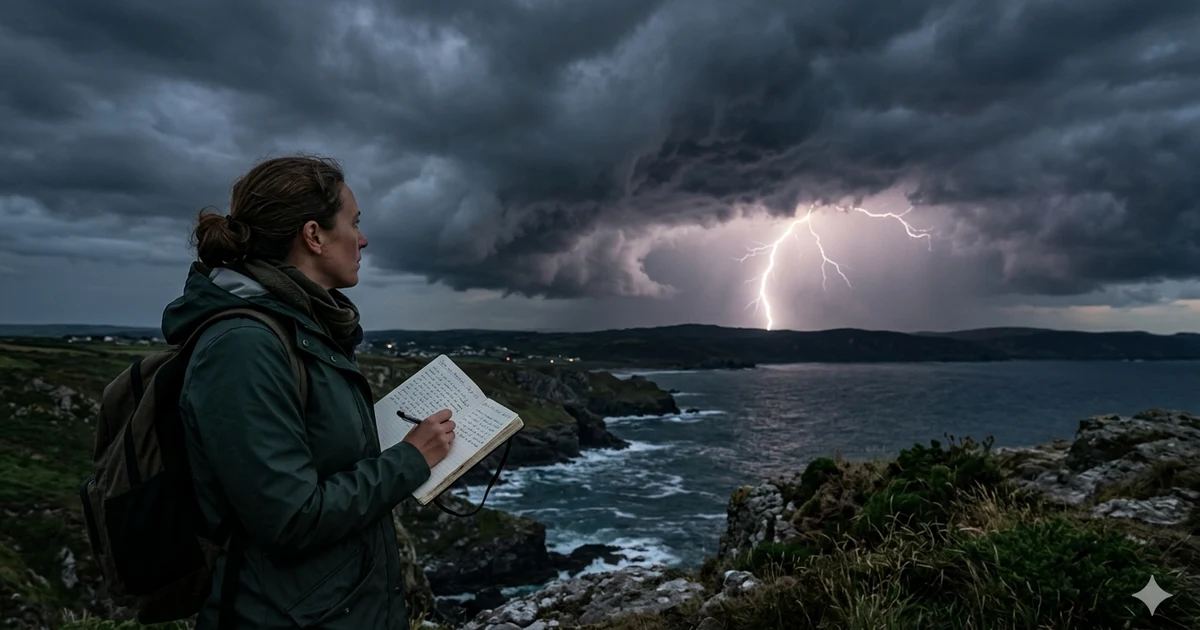
Thunder can shake windows, startle people, and fill the sky with powerful sound. Writers often struggle to describe that sound in a way readers can truly imagine. That is where similes help. A simile compares thunder to something familiar, making descriptions more vivid and memorable.
In this article, you will learn what a simile for thunder means, why writers use it, and how to create your own. You will also discover many practical examples that can improve essays, stories, poems, and creative writing projects.
What Is a Simile for Thunder and Why Writers Use It
A simile compares two different things using words such as “like” or “as.”
When writers describe thunder with a simile, they help readers picture the sound, power, or feeling of a storm more clearly.
Examples:
- Thunder roared like a giant beating a drum.
- Thunder crashed like heavy furniture falling upstairs.
- Thunder sounded like cannon fire across the valley.
These comparisons make writing more engaging and easier to imagine.
How Similes Make Thunder Sound More Vivid in Writing
Readers may know what thunder sounds like, but a strong simile adds emotion and detail.
Compare these sentences:
- Thunder echoed through the sky.
- Thunder echoed through the sky like a thousand drums beating at once.
The second sentence creates a stronger image and helps readers experience the scene.
Similes can show:
- Loudness
- Fear
- Excitement
- Sudden impact
- Natural power
Simile for Thunder Explained in Simple Words
A simile for thunder simply compares thunder to another sound or action.
For example:
- Thunder was as loud as a marching band.
- Thunder rolled like a bowling ball across the sky.
These comparisons help readers understand thunder through familiar experiences.
Most Common Similes for Thunder Used in Everyday Language
Many writers use traditional thunder similes because they work well.
Examples include:
- Like a drum
- Like an explosion
- Like cannon fire
- Like a crashing wave
- Like a roaring engine
Example sentence:
“Thunder boomed like a giant drum above the town.”
These similes create instant imagery.
Simile for Thunder Like a Drum and What It Conveys
Drums create deep, rhythmic sounds. Thunder often produces a similar effect.
Examples:
- Thunder rolled like a distant drum.
- Thunder echoed like a drummer performing in the clouds.
This comparison suggests:
- Strength
- Rhythm
- Distance
- Power
Many authors use drum imagery because readers immediately recognize the sound.
Simile for Thunder Like an Explosion in the Sky
Explosions produce sudden and powerful noise. Thunder often feels the same.
Examples:
- Thunder burst like an explosion in the sky.
- Thunder cracked like fireworks going off overhead.
This type of simile emphasizes:
- Surprise
- Intensity
- Energy
It works especially well in action scenes.
Strong Similes for Thunder in Creative Writing
Creative writing benefits from unique comparisons.
Examples:
- Thunder growled like an angry beast.
- Thunder shattered the silence like a hammer striking glass.
- Thunder charged across the sky like a herd of wild horses.
- Thunder roared like a lion protecting its territory.
Fresh similes help stories stand out.
Simple Similes for Thunder That Students Can Use
Students often need easy examples for school assignments.
Examples:
- Thunder sounded like a drum.
- Thunder was as loud as a siren.
- Thunder crashed like a falling tree.
- Thunder roared like a lion.
- Thunder rolled like a ball down a hill.
These examples remain simple while creating clear imagery.
Similes for Thunder in Descriptive Essays
Descriptive essays focus on sensory details.
Examples:
- Thunder rumbled like heavy trucks crossing a bridge.
- Thunder crashed like giant waves against rocks.
- Thunder echoed like a crowd cheering in a stadium.
These comparisons help readers hear and feel the storm.
Simile for Thunder Examples in Fiction Writing
Fiction writers often use thunder to build tension.
Examples:
- Thunder growled like a warning from the heavens.
- Thunder exploded like a signal that danger had arrived.
- Thunder rolled like a monster awakening in the distance.
These similes create atmosphere and suspense.
How to Create Your Own Simile for Thunder
Creating original similes is easier than many people think.
Follow these steps:
- Think about how thunder sounds.
- Find a familiar sound with similar qualities.
- Compare them using “like” or “as.”
Example process:
Thunder is loud and sudden.
Possible comparison:
“Thunder cracked like a giant snapping a tree in half.”
Original similes often feel more powerful than common ones.
Difference Between a Simile and a Metaphor for Thunder
A simile uses comparison words.
Example:
- Thunder roared like a lion.
A metaphor makes a direct comparison.
Example:
- Thunder was a lion roaring across the sky.
Both add imagery, but similes make the comparison more obvious.
Similes That Show the Power and Force of Thunder
Some similes focus on thunder’s strength.
Examples:
- Thunder struck like a wrecking ball.
- Thunder roared like an army charging into battle.
- Thunder crashed like mountains colliding.
These comparisons emphasize raw force and energy.
Similes That Capture the Fear Caused by Thunderstorms
Thunder can frighten people during severe storms.
Examples:
- Thunder growled like a monster outside the window.
- Thunder exploded like a bomb above the house.
- Thunder roared like a furious giant.
These similes highlight anxiety and tension.
Funny and Imaginative Similes for Thunder
Not every thunder simile needs a serious tone.
Examples:
- Thunder grumbled like a sleepy grandpa.
- Thunder sounded like giant bowling pins falling over.
- Thunder roared like a dinosaur looking for lunch.
These playful comparisons work well for children’s stories.
Similes for Thunder Suitable for Children
Children understand comparisons best when they connect to familiar experiences.
Examples:
- Thunder sounded like a big drum.
- Thunder roared like a lion.
- Thunder rumbled like a train passing by.
- Thunder boomed like a giant clapping.
Simple language helps young readers understand the image.
Mistakes to Avoid When Writing a Simile for Thunder
Many writers weaken their descriptions by making common mistakes.
Avoid:
- Using too many similes in one paragraph
- Comparing thunder to unrelated objects
- Repeating the same simile throughout a story
- Choosing comparisons readers cannot understand
Strong similes remain clear and relevant.
How Thunder Similes Improve Storytelling and Imagery
Good similes help readers experience a scene rather than simply read it.
Benefits include:
- Stronger imagery
- Better emotional impact
- More memorable descriptions
- Greater reader engagement
A well chosen simile can transform an ordinary sentence into a vivid moment.
Best Simile for Thunder Examples With Meanings
| Simile | Meaning |
|---|---|
| Thunder roared like a lion | Shows strength and dominance |
| Thunder rolled like a drum | Suggests deep rhythmic sound |
| Thunder exploded like fireworks | Highlights sudden impact |
| Thunder crashed like waves | Emphasizes power and movement |
| Thunder growled like a beast | Creates tension and fear |
| Thunder boomed like cannon fire | Suggests loudness and force |
| Thunder rumbled like a train | Describes continuous sound |
| Thunder echoed like a stadium crowd | Shows widespread noise |
Frequently Asked Questions About Simile for Thunder
What is a simile for thunder?
A simile for thunder compares thunder to something else using words such as “like” or “as.”
Why do writers use similes for thunder?
They make descriptions more vivid and help readers imagine the sound and feeling of a storm.
What is a simple simile for thunder?
“Thunder roared like a lion” is a simple and popular example.
Can students use thunder similes in essays?
Yes. Thunder similes improve descriptive writing and make essays more engaging.
What makes a good thunder simile?
A good simile creates a clear and relevant comparison that readers easily understand.
Is “thunder was a lion” a simile?
No. That is a metaphor because it does not use “like” or “as.”
Can thunder similes be funny?
Yes. Writers often use humorous comparisons in stories for children.
What are common objects compared to thunder?
Drums, explosions, trains, lions, waves, and cannon fire are common comparisons.
How can I write my own thunder simile?
Think about thunder’s sound or effect and compare it to something familiar.
Do similes improve creative writing?
Yes. Similes add imagery, emotion, and detail that make writing stronger.
Conclusion
A simile for thunder helps writers turn a simple weather description into something vivid and memorable. Whether you compare thunder to a drum, a lion, a train, or an explosion, the right simile helps readers hear the storm in their minds. Strong comparisons add emotion, improve storytelling, and create lasting images. By understanding how similes work and practicing your own examples, you can make your writing more powerful and engaging.
