

Introduction
Saving money is one of the smartest habits anyone can develop, but explaining its value isn’t always easy. Simply saying that someone “saved money” doesn’t capture the patience, discipline, and long-term rewards involved. That’s why writers often use similes. A well-crafted simile compares saving money to something familiar, helping readers picture the idea more clearly and remember it longer.
Whether you’re writing a school essay, a personal finance blog, a speech, or a creative story, using similes can make your writing more engaging. Comparisons such as “saving money is like planting a seed” or “saving money is as steady as a river shaping stone” turn ordinary financial advice into vivid imagery that readers instantly understand.
In this guide, you’ll discover what a simile for saving money means, why these comparisons are effective, and how to use them naturally. You’ll also find dozens of original examples for students, teachers, writers, and anyone looking to explain money-saving habits in a creative and memorable way.
Quick Answer
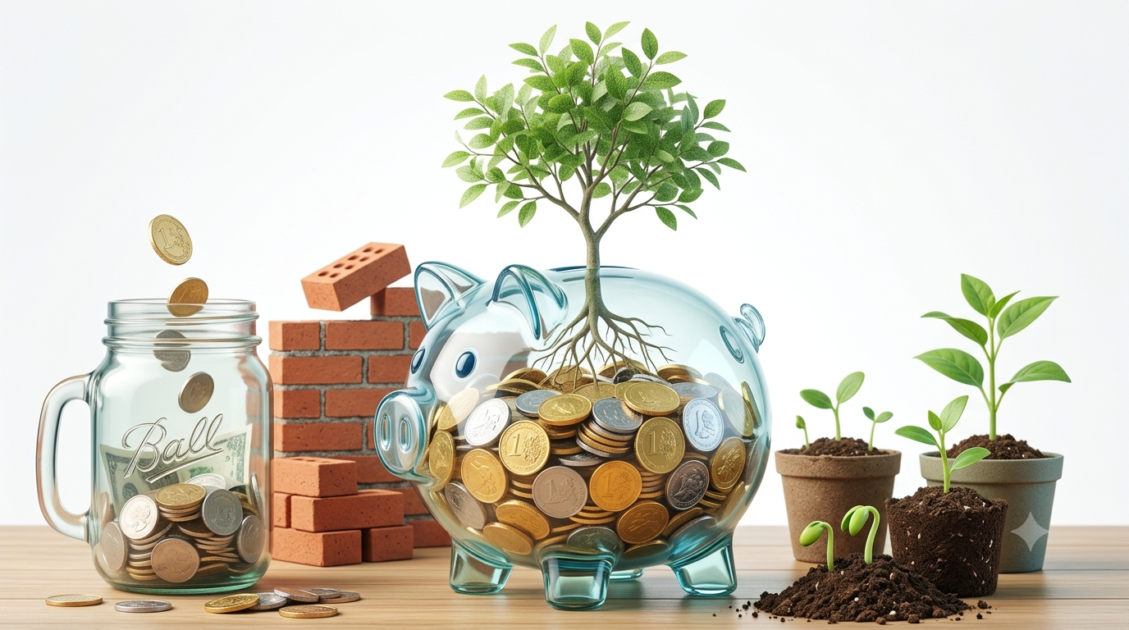
A simile for saving money compares the habit of saving to another familiar activity using the words “like” or “as.” These comparisons make financial ideas easier to understand by connecting them with everyday experiences. For example, “Saving money is like planting seeds for the future” shows that small actions today can grow into valuable rewards over time. Good saving money similes emphasize patience, planning, consistency, and financial security while making writing more interesting and memorable.
What Is a Simile for Saving Money?
A simile is a figure of speech that compares two different things using the words like or as. The comparison helps readers visualize an idea and understand it more easily.
When talking about money, similes transform ordinary financial advice into meaningful images.
For example:
- Saving money is like planting a tree.
- Saving money is as steady as a turtle crossing a road.
- Saving money is like filling a jar one coin at a time.
Each comparison highlights a different quality of saving, such as patience, growth, or consistency.
Unlike technical financial terms, similes make the message easier to remember and more enjoyable to read.
Simile vs. Metaphor for Saving Money
| Figure of Speech | Example | Meaning |
|---|---|---|
| Simile | Saving money is like planting seeds. | Uses like or as to compare. |
| Simile | Saving money is as reliable as the sunrise. | Direct comparison with as. |
| Metaphor | Savings are the foundation of your future. | Says one thing is another without using like or as. |
| Metaphor | Your budget is your compass. | Direct symbolic comparison. |
If your sentence contains like or as, it’s usually a simile.
Why Writers Use Similes for Saving Money
Money topics can sometimes sound dull or difficult to understand. Similes make these ideas feel more relatable and engaging.
Writers use saving money similes because they:
- Explain financial ideas in simple language.
- Create vivid mental pictures.
- Make lessons easier to remember.
- Add emotion to financial advice.
- Improve storytelling.
- Keep readers interested.
- Help students understand abstract concepts.
- Make blogs and articles more enjoyable.
For example:
Her savings grew like flowers after a spring rain.
Instead of simply saying her savings increased, the simile creates a positive image of steady growth.
Best Similes for Saving Money
Here are some of the best original similes that describe saving money.
| Simile | Meaning |
|---|---|
| Saving money is like planting seeds for tomorrow. | Small efforts create future rewards. |
| Saving money is like building a bridge one plank at a time. | Success comes gradually. |
| Saving money is like filling a lake with raindrops. | Small amounts eventually become significant. |
| Saving money is like growing an oak tree. | Strong results require patience. |
| Saving money is as dependable as the sunrise. | Consistency leads to success. |
| Saving money is like climbing a staircase step by step. | Every small action matters. |
| Saving money is like writing a book one page at a time. | Progress happens gradually. |
| Saving money is as steady as a ticking clock. | Consistent habits build wealth. |
| Saving money is like weaving a blanket thread by thread. | Every contribution strengthens the whole. |
| Saving money is like collecting puzzle pieces. | Small parts complete a bigger goal. |
Simple Similes for Saving Money
These examples are perfect for beginners and students.
- Saving money is like watering a plant every day.
- Saving money is like feeding a piggy bank.
- Saving money is like stacking books on a shelf.
- Saving money is like collecting seashells on the beach.
- Saving money is like filling a bottle drop by drop.
- Saving money is like building a snowman one handful at a time.
- Saving money is like adding bricks to a wall.
- Saving money is like baking a cake ingredient by ingredient.
- Saving money is like charging a phone overnight.
- Saving money is like gathering sticks for a campfire.
Similes That Show Patience
Patience is one of the biggest lessons in saving money.
Examples include:
- Saving money is like watching the sunrise after a long night.
- Saving money is like waiting for fruit to ripen.
- Saving money is like raising a young tree.
- Saving money is like knitting a sweater stitch by stitch.
- Saving money is like painting a mural one brushstroke at a time.
- Saving money is like training for a marathon.
- Saving money is like growing a garden through every season.
- Saving money is like polishing a diamond.
- Saving money is like learning a new language.
- Saving money is like reading a long novel page by page.
Nature-Inspired Similes for Saving Money
Nature provides beautiful comparisons that represent growth and stability.
- Savings grow like roots beneath healthy soil.
- Saving money is like planting an orchard.
- Savings spread like branches reaching toward sunlight.
- Money grows like bamboo after careful nurturing.
- Saving money is like storing rainwater before summer.
- Savings bloom like flowers in spring.
- Saving money is like rivers slowly shaping mountains.
- Savings sparkle like morning dew.
- Saving money is like acorns becoming mighty oaks.
- Savings grow like fields after gentle rain.
Funny Similes for Saving Money
Humorous similes make financial lessons more enjoyable.
- He guarded his wallet like a dragon protecting treasure.
- She counted every dollar like a pirate counting gold.
- He saved money like a squirrel hiding acorns.
- She protected her savings like a cat guarding its favorite chair.
- He watched his budget like a referee watching a championship game.
- Saving money felt like hiding cookies from hungry children.
- He spent dollars as carefully as someone carrying a cup filled to the brim.
- She checked prices like a detective solving a mystery.
- He held onto his coins like they were winning lottery tickets.
- Saving money was like trying to keep ice cream from melting on a hot day.
Similes for Smart Budgeting
Budgeting and saving often go together.
- A budget is like a road map guiding every dollar.
- Budgeting is like steering a ship through rough seas.
- Managing money is like balancing ingredients in a recipe.
- A budget works like traffic lights controlling spending.
- Saving money is like following a compass through the wilderness.
- Budgeting is like organizing books in a library.
- Saving money is like solving a puzzle piece by piece.
- A budget is like a coach keeping the team focused.
- Budgeting is like building a sturdy fence around your goals.
- Managing money is like conducting an orchestra where every instrument has a purpose.
Similes About Financial Growth
These comparisons emphasize long-term success.
- Savings grow like vines climbing a wall.
- Wealth grows like stars appearing after sunset.
- Savings rise like bread in a warm oven.
- Money grows like waves reaching the shore.
- Savings spread like light across the morning sky.
- Wealth builds like castles stone by stone.
- Savings shine like polished silver.
- Money grows like forests after years of care.
- Savings expand like circles in calm water.
- Wealth grows like a healthy harvest after months of work.
Similes for Students
Students often need simple, memorable examples.
- Saving money is like earning gold stars in class.
- Saving money is like finishing homework one page at a time.
- Savings grow like books filling a bookshelf.
- Saving money is like collecting stickers.
- Saving money is like practicing an instrument every day.
- Saving money is like learning multiplication step by step.
- Savings grow like pencils filling a school supply box.
- Saving money is like building a LEGO castle brick by brick.
- Saving money is like collecting marbles in a jar.
- Saving money is like preparing for an important exam.
Similes for Saving Money During Hard Times
Saving money becomes even more important during difficult financial periods. These similes show resilience, hope, and careful planning.
- Saving money during hard times is like carrying water through a desert.
- Every saved dollar shines like a candle in the darkness.
- Saving money is like protecting a tiny flame from the wind.
- Savings grow like wildflowers after heavy rain.
- Saving money is like finding shelter during a storm.
- Every dollar saved feels like another brick in a safe shelter.
- Savings stand like a sturdy bridge over rough waters.
- Saving money is like gathering firewood before winter arrives.
- A savings account is like a life raft in rough seas.
- Saving money is like storing food before a long journey.
These comparisons remind readers that even small savings can provide security when unexpected challenges arise.
Similes for Investing and Long-Term Wealth
Although saving and investing are different, they both require patience and consistent effort. These similes highlight long-term financial growth.
- Investing is like planting an orchard instead of a single tree.
- Savings grow like a river fed by many streams.
- Investing is like building a skyscraper floor by floor.
- Wealth grows like the moon becoming full each night.
- Saving money is like preparing the soil before planting crops.
- Investments grow like stars appearing one by one.
- Wealth is like a garden that rewards regular care.
- Investing is like training for a marathon instead of a sprint.
- Savings grow like coral reefs over many years.
- Wealth builds like a masterpiece painted one brushstroke at a time.
Similes for Families Saving Money
Families often save together to reach important goals.
- Saving money as a family is like rowing a boat together.
- Family savings grow like a tree with many strong branches.
- Every family contribution is like another piece of a sturdy bridge.
- Saving together is like baking bread with everyone adding an ingredient.
- Family savings are like a nest protecting young birds.
- Saving together is like building a puzzle with everyone helping.
- A family budget works like a team following the same game plan.
- Saving money is like planting flowers that everyone enjoys.
- Every dollar saved is like another step toward a shared dream.
- Family savings grow like a quilt stitched together by many hands.
Similes for Business and Personal Finance Writing
These examples work well in finance blogs, presentations, and business articles.
- Saving money is like strengthening the foundation of a building.
- Cash reserves are like fuel in a long-distance journey.
- A business budget is like a compass guiding every decision.
- Financial planning is like drawing blueprints before construction.
- Savings grow like a successful company expanding year after year.
- Saving money is like sharpening tools before beginning work.
- Budgeting is like maintaining the engine of a car.
- Financial discipline is like following a winning playbook.
- Saving money is like building a safety net beneath a tightrope.
- Good financial habits are like roots supporting a giant tree.
Similes for Storytelling
Creative writers often use similes to reveal a character’s personality without directly describing them.
Examples
- He guarded his savings like a knight protecting a castle.
- She treasured every dollar like a collector preserving rare coins.
- His savings disappeared like footprints washed away by the tide.
- She saved each paycheck like a bee storing honey.
- He clung to his budget like a sailor gripping the ship’s wheel.
- Their savings grew like ivy climbing an old stone wall.
- She treated every coin like a priceless jewel.
- His emergency fund stood like a lighthouse through life’s storms.
- They saved money like explorers preparing for a dangerous expedition.
- Every dollar became as valuable as water in the desert.
Real-Life Examples of Saving Money Similes
Here are examples you might hear in everyday conversations.
Parent
“Saving money is like packing an umbrella before it rains.”
Teacher
“Saving money is like watering a plant every day. Small actions lead to big results.”
Financial Advisor
“Building an emergency fund is like putting on a seat belt before driving.”
Student
“Saving for a new laptop is like climbing a ladder one step at a time.”
Grandparent
“Saving money is like planting fruit trees. You may wait, but the harvest is worth it.”
How to Use Saving Money Similes in Your Writing
A good simile should support your message instead of distracting readers.
In Essays
Use similes to explain financial habits in a simple and engaging way.
Example
Saving money is like planting seeds that eventually become a forest.
In Stories
Show a character’s personality through their financial habits.
Example
He protected every dollar like a shepherd watching over a flock.
In Speeches
Similes make important lessons memorable.
Example
Building savings is like building a staircase—every step brings you closer to your goal.
In Blog Posts
Financial blogs become easier to read with creative comparisons.
Example
A budget is like a GPS that keeps your spending on the right path.
Tips for Creating Your Own Saving Money Similes
Anyone can write effective similes by following a few simple steps.
1. Think About the Main Idea
Ask yourself what quality you want to describe.
- Patience
- Growth
- Safety
- Planning
- Discipline
- Success
2. Find a Familiar Comparison
Compare saving money with something people already understand.
Examples include:
- Trees
- Gardens
- Rivers
- Bridges
- Books
- Houses
- Mountains
- Sports
- Cooking
- Nature
3. Keep It Simple
Simple comparisons are usually the most powerful.
Weak
Saving money is like a dragon flying across seven mountains carrying magical treasure.
Strong
Saving money is like storing food for winter.
4. Match the Tone
Funny articles need playful similes, while financial advice works better with calm, practical comparisons.
Common Mistakes to Avoid
Even good writers sometimes create confusing similes.
Avoid these mistakes.
Making Comparisons Too Complicated
Readers should understand the image immediately.
Mixing Different Ideas
Don’t compare saving money to unrelated things in the same sentence.
Overusing the Same Example
Instead of repeating “planting seeds,” try fresh ideas such as bridges, rivers, puzzles, or gardens.
Writing Extremely Long Similes
Short comparisons are easier to remember.
Forgetting the Main Point
Every simile should explain saving, patience, growth, or financial security.
Practice Exercises
Test your understanding by completing these activities.
Exercise 1
Finish each simile.
- Saving money is like ____________________.
- A budget is like ____________________.
- My savings grew like ____________________.
Exercise 2
Choose the best comparison.
Saving money is like:
- Riding a roller coaster
- Planting a tree
- Breaking a window
Answer: Planting a tree.
Exercise 3
Write your own simile using either like or as to describe saving money.
Final Thoughts
Saving money is more than setting aside a few dollars. It is a habit built through patience, discipline, and consistent effort. Similes make these ideas easier to understand by connecting them with everyday experiences that readers already know.
Whether you’re writing a school assignment, teaching financial literacy, creating personal finance content, or telling a story, the right simile can make your message more vivid and memorable. The strongest comparisons are simple, meaningful, and easy to picture, helping readers remember the value of saving long after they’ve finished reading.
Conclusion
Using a simile for saving money transforms ordinary financial advice into clear and memorable writing. By comparing saving to familiar experiences such as planting trees, building bridges, climbing stairs, or preparing for winter, writers can explain patience, budgeting, and financial security in a way that readers instantly understand. Whether you’re a student, teacher, blogger, or storyteller, these comparisons can make your writing more engaging, relatable, and effective. Choose simple, original similes that fit your audience, and you’ll communicate financial lessons with greater impact.
Frequently Asked Questions
What is a simile for saving money?
A simile for saving money compares saving habits to another activity using like or as, making financial ideas easier to understand.
What is the best simile for saving money?
One of the best examples is:
“Saving money is like planting seeds for the future.”
It highlights patience, growth, and long-term rewards.
Why do writers use saving money similes?
They make financial concepts more interesting, memorable, and easier for readers to visualize.
What is the difference between a simile and a metaphor?
A simile uses like or as, while a metaphor makes a direct comparison without those words.
Can students use money similes in school writing?
Yes. Similes improve essays, creative writing, speeches, and classroom assignments by making ideas clearer and more engaging.
Are similes useful in personal finance articles?
Absolutely. They simplify topics like budgeting, saving, emergency funds, and financial planning without using complicated language.
How do I create my own saving money simile?
Think about an everyday activity that requires patience, planning, or steady progress, then compare it to saving money using like or as.
What should I avoid when writing similes?
Avoid confusing comparisons, overly long descriptions, unrelated images, and clichés that are repeated too often.
