
Introduction
Cold weather has a unique way of affecting people. Some days feel pleasantly crisp, while others are so freezing that stepping outside feels like a challenge. Simply saying “it was cold” often fails to capture the true experience. That is why writers use similes.
A simile compares one thing to another using like or as. It helps readers picture a scene, feel an emotion, or understand a sensation more clearly. When describing cold weather, similes can transform a plain sentence into a vivid image. Instead of saying the wind was strong and cold, you might say, “The wind cut like icy needles.” Suddenly, the reader can almost feel the sting.
In this guide, you will learn what cold day similes are, why they matter, and how to use them effectively. You will also discover dozens of examples, writing tips, and practice exercises to help improve your descriptive skills.
What Is a Cold Day Simile?
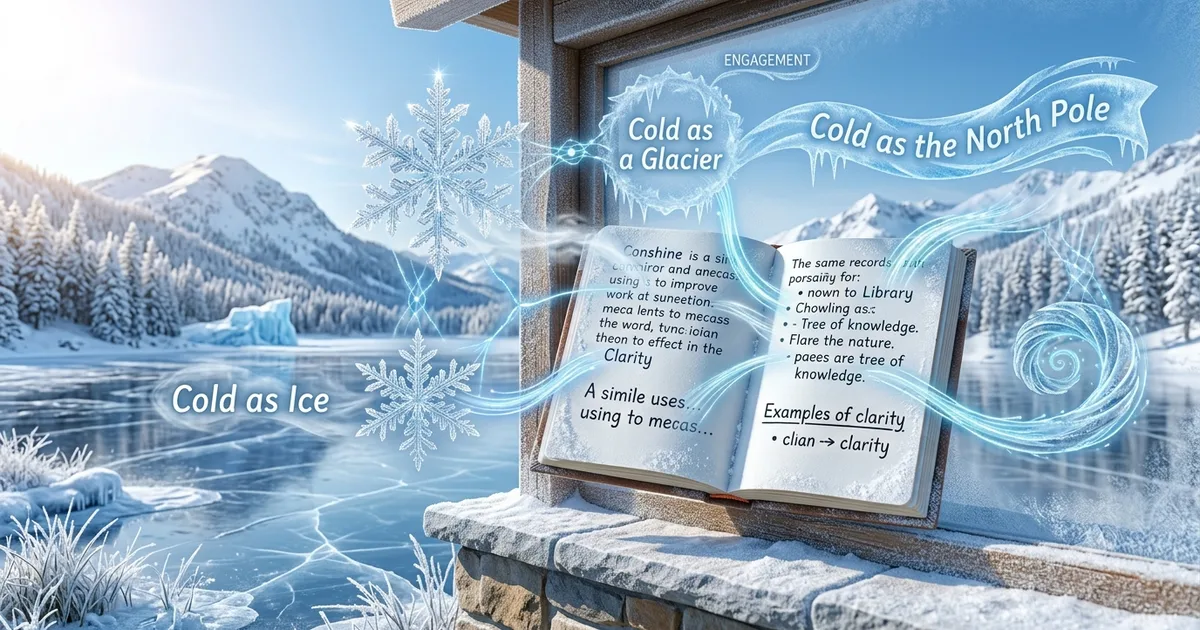
A cold day simile is a figure of speech that compares cold weather to something else using like or as.
These comparisons help readers understand how cold something feels by connecting it to a familiar object, experience, or sensation.
Examples
- The air was as cold as ice.
- My hands felt like frozen stones.
- The wind cut like a sharp knife.
- The lake looked as cold as a glacier.
Each example creates a stronger image than simply saying something was cold.
Why Writers Use Similes to Describe Cold Weather
Cold weather can feel different depending on the situation. A winter morning may feel peaceful, while an icy storm may feel harsh and dangerous.
Writers use similes to:
- Create vivid imagery
- Add emotion to descriptions
- Make scenes more realistic
- Help readers connect with the experience
- Improve storytelling and creative writing
Compare these sentences:
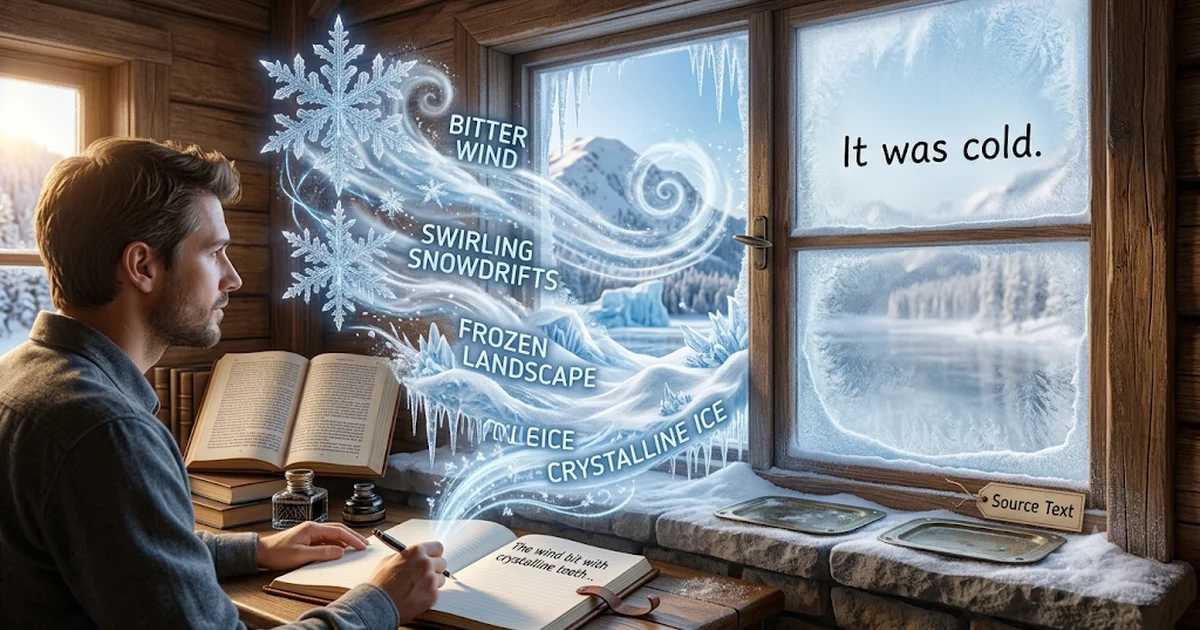
Basic: It was very cold.
Improved: It was as cold as a freezer left open all night.
The second sentence gives readers a much clearer picture.
How Cold Day Similes Improve Writing
Good similes make writing more engaging without adding unnecessary complexity.
They help readers:
- Feel the temperature
- Visualize the setting
- Understand the mood
- Remember the description
Example
Plain sentence: The wind was cold.
With a simile: The wind hit my face like icy needles.
The second sentence is more descriptive and memorable.
Common Cold Day Simile Examples
These classic similes work well in almost any type of writing.
| Simile | Meaning |
|---|---|
| As cold as ice | Extremely cold |
| As cold as a freezer | Freezing cold |
| As cold as an icicle | Sharp, icy cold |
| As cold as a glacier | Deep, intense cold |
| As cold as the North Pole | Extremely frigid |
| As cold as a frozen pond | Cold and still |
| As cold as a snowbank | Packed with winter chill |
| As cold as steel | Hard and icy |
| As cold as winter itself | Pure winter cold |
| As cold as a mountain peak | High-altitude chill |
Example Sentences
- Her hands were as cold as ice.
- The basement felt as cold as a freezer.
- The lake water was as cold as a glacier.
- The morning air felt as cold as the North Pole.
Similes for Freezing Temperatures
When temperatures drop dramatically, stronger comparisons work best.
Examples
- The air felt like standing inside a freezer.
- The wind hit like icy needles.
- The cold wrapped around me like a frozen blanket.
- The ground felt like frozen glass.
- The storm arrived like a wall of ice.
These similes emphasize severe cold and discomfort.
Similes for Windy and Harsh Winter Weather
Wind often makes cold weather feel even colder.
Examples
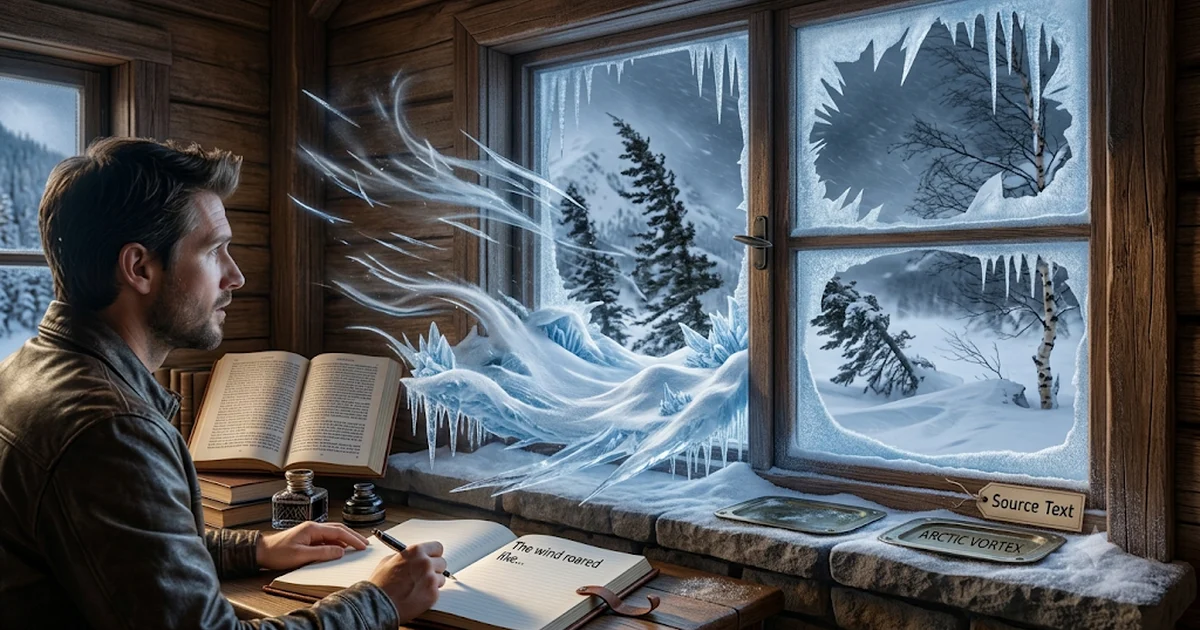
- The wind cut like a blade across my face.
- The gusts hit like waves of ice.
- The breeze felt like shards of frozen glass.
- The wind howled like a wild animal in the night.
- The cold air struck like tiny needles.
These examples add movement and intensity to descriptions.
Cold Day Similes for Kids
Children often enjoy simple and playful comparisons.
Examples
- Cold as a popsicle
- Cold as an ice cube
- Cold as a snow cone
- Cold like frozen juice
- Cold as a snowman
Example Sentences
- My fingers felt as cold as popsicles.
- The playground was as cold as an ice cube.
- The wind felt like frozen juice splashing on my face.
Cold Day Similes for Storytelling
Stories need atmosphere. Similes help create mood and tension.
Examples
- The street lay silent like a frozen river.
- The cold wrapped around us like a trap.
- The night felt like a frozen world.
- The wind whispered like a ghost.
- The town stood still like a snow-covered painting.
These comparisons help readers step into the scene.
Cold Day Similes for Poetry and Creative Writing
Poetry often uses more imaginative language.
Examples
- Winter touched the earth like a ghost’s hand.
- The frost spread like silent fire.
- The cold sang like a distant song.
- The air breathed like a sleeping giant.
- Snow drifted down like feathers from the sky.
These similes create emotion and artistic imagery.
Similes for Cold Mornings and Fog
Cold mornings often feel calm, quiet, and mysterious.
Examples
- The fog wrapped around the trees like a cold blanket.
- The mist hung in the air like frozen breath.
- The morning looked like a pale ghost.
- The air felt like damp cotton.
- The frost covered the grass like silver dust.
These descriptions work well in nature writing and stories.
Similes That Describe Cold Hands and Body Parts
Physical reactions are one of the easiest ways to show cold weather.
Examples
- My hands felt like ice blocks.
- My fingers were like frozen sticks.
- My cheeks stung like icy pins.
- My skin felt like cold stone.
- My nose was as cold as an icicle.
These help readers physically feel the cold.
How to Create Your Own Cold Day Similes
Creating similes is easier than many people think.
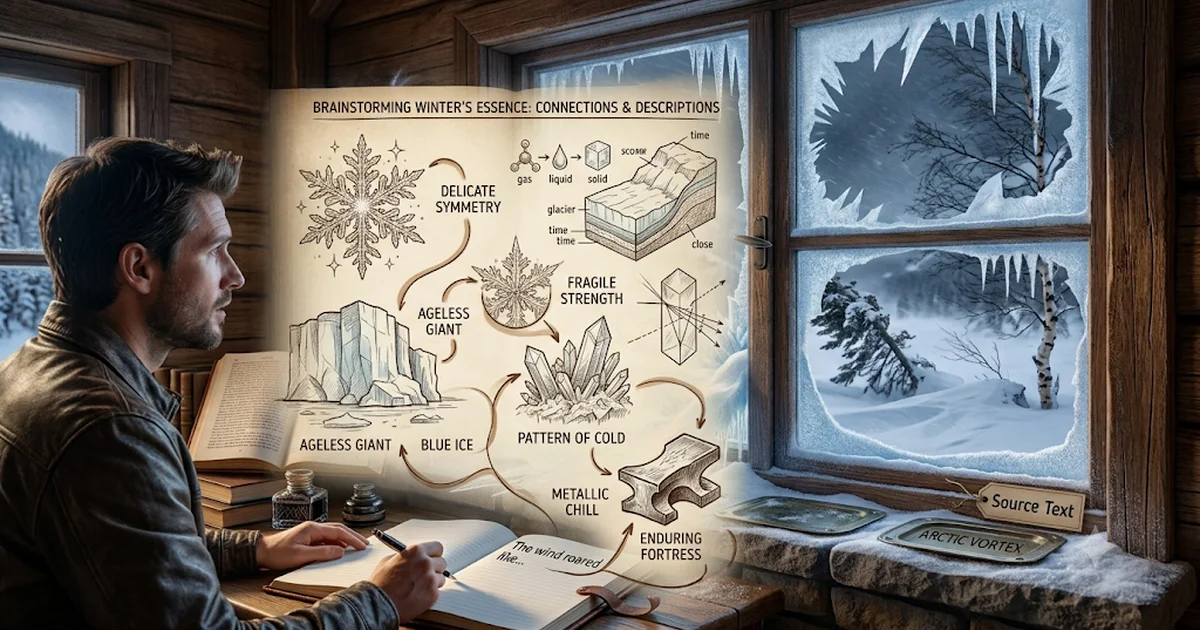
Step 1: Identify the Feeling
Ask yourself how the cold feels.
Examples:
- Sharp
- Painful
- Gentle
- Dry
- Freezing
Step 2: Find a Similar Object
Think of something that creates the same feeling.
Examples:
- Needles
- Ice
- Glass
- Stone
- Steel
Step 3: Connect Them
Use like or as.
Examples:
- The cold felt like tiny needles.
- The air was as cold as steel.
- My hands felt like frozen rocks.
Common Mistakes to Avoid
Avoid these common errors when writing similes.
1. Using Unclear Comparisons
Bad example:
- Cold as homework
Good example:
- Cold as ice
2. Making Similes Too Long
Keep comparisons simple and easy to understand.
3. Repeating the Same Simile
Using cold as ice too often can make writing predictable.
4. Choosing Unrealistic Comparisons
Readers should immediately understand the connection.
Practice Exercises
Complete these sentences with your own similes.
- The wind felt as cold as __________.
- My fingers were like __________.
- The lake looked as cold as __________.
- The snow covered the ground like __________.
- The morning fog wrapped around us like __________.
Challenge Exercise
Rewrite these basic sentences using similes:
- It was cold outside.
- The wind was strong.
- My hands were freezing.
- The lake was icy.
- The winter morning was quiet.
Conclusion
Cold day similes make writing more vivid, engaging, and memorable. Instead of simply telling readers that the weather is cold, similes help them see, feel, and experience the scene. Whether you are writing a school essay, a short story, a poem, or a personal journal entry, the right simile can bring your descriptions to life.
Start with simple comparisons such as “cold as ice” or “cold as a glacier.” As your confidence grows, experiment with more creative imagery. With practice, you will develop unique similes that make your writing stand out and leave a lasting impression on readers.
FAQs
What is a cold day simile?
A cold day simile compares cold weather to something familiar using like or as, such as “as cold as ice.”
What is the most common simile for cold weather?
The most common example is “as cold as ice.”
Why are similes useful in descriptive writing?
They create vivid imagery and help readers imagine a scene more clearly.
Can children use cold day similes?
Yes. Simple examples like “cold as a popsicle” are perfect for young writers.
How do I write my own cold weather simile?
Think about how the cold feels, choose a similar object or experience, and connect them using like or as.
What is a simile for freezing wind?
A common example is “The wind cut like icy needles.”
Can similes be used in essays?
Yes. Similes can make essays more descriptive and engaging when used appropriately.
What is the difference between a simile and a metaphor?
A simile uses like or as, while a metaphor makes a direct comparison without those words.
