Quick Answer
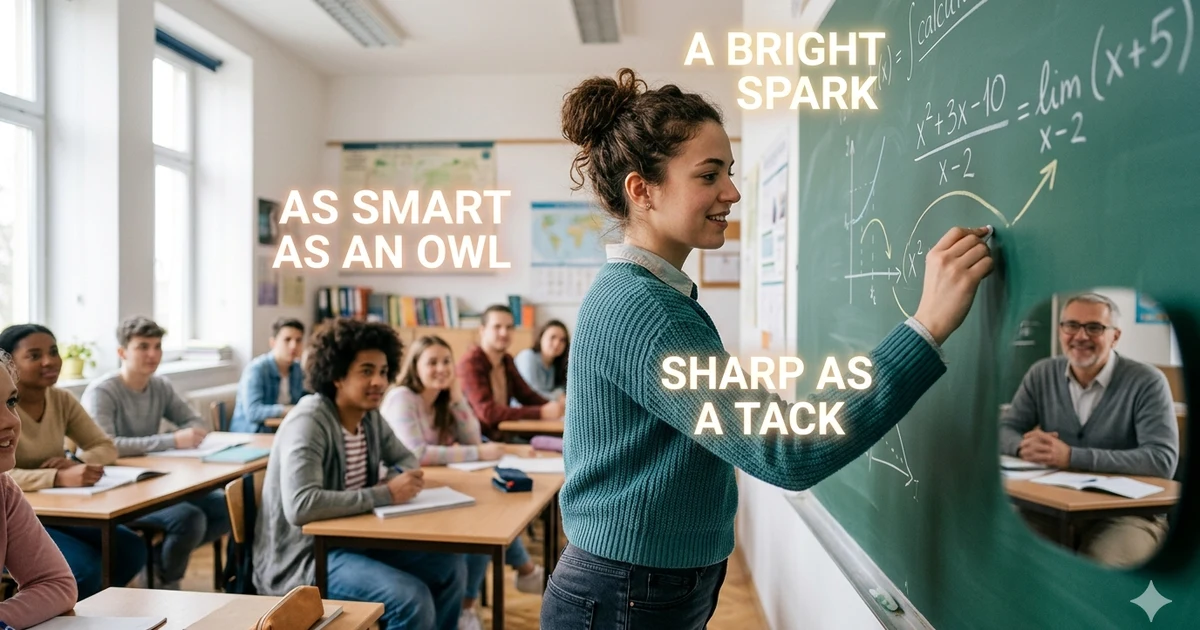
A smart simile is a figure of speech that compares a person’s intelligence, wisdom, or cleverness to something well known for those qualities by using the words “like” or “as.” Common examples include “as smart as an owl,” “as clever as a fox,”
and “as sharp as a tack.” Writers use smart similes to create vivid descriptions, improve readability, and help readers quickly understand a character’s intelligence.
Introduction
Great writers know how to make ideas come alive. One of the easiest ways to create vivid descriptions involves using similes. When you want to describe intelligence, quick thinking, or wisdom, a smart simile can help readers understand exactly what you mean.
A smart simile compares a person, action, or idea to something known for intelligence. These comparisons create stronger mental images and make writing more interesting.
In this guide, you will learn what a smart simile is, how it works, when to use it, and how to create your own. You will also find plenty of examples that can improve your creative writing, essays, and everyday communication.
What Is a Smart Simile in English Writing?
A smart simile compares someone or something intelligent to another object, animal, or person known for being clever.
Most similes use the words “like” or “as” to create the comparison.
Examples:
- As smart as an owl
- As clever as a fox
- Like a walking encyclopedia
- As sharp as a tack
These comparisons help readers quickly understand a person’s intelligence without long explanations.
What Does the Word Smart Mean in a Simile?
In a simile, the word smart usually refers to:
- Intelligence
- Wisdom
- Quick thinking
- Problem solving ability
- Knowledge
- Good judgment
For example:
“Emma was as smart as an owl.”
This sentence suggests Emma learns quickly and understands things well.
Sometimes smart can also describe someone who makes practical decisions rather than someone with academic knowledge.
How Smart Similes Make Descriptions More Engaging
Smart similes turn ordinary descriptions into memorable images.
Compare these examples:
- Jack is smart.
- Jack is as smart as a chess grandmaster.
The second sentence creates a stronger impression because readers can picture someone with exceptional strategic thinking.
Benefits of smart similes include:
- Better reader engagement
- Stronger imagery
- More memorable writing
- Faster communication of ideas
Why Writers Use Smart Similes in Stories and Essays
Writers use smart similes to reveal character traits and create vivid scenes.
A smart simile can:
- Show intelligence without directly stating it
- Add personality to a character
- Make descriptions more creative
- Improve storytelling
Example:
“She solved the puzzle as quickly as a computer.”
Readers instantly understand her skill and speed.
The Basic Structure of a Smart Simile With Examples
Most smart similes follow a simple pattern:
Subject + like/as + intelligent comparison
Examples:
- As smart as an owl
- As wise as a judge
- Like a human calculator
- As clever as a fox
Sentence examples:
- Liam was as smart as an owl during the science competition.
- Maya remembered every detail like a human database.
- The detective worked as cleverly as a fox.
Common Words Used to Create Smart Similes
Certain words appear frequently in smart similes.
Popular comparison words include:
- Owl
- Fox
- Professor
- Scholar
- Scientist
- Judge
- Computer
- Encyclopedia
- Chess player
- Genius
These comparisons work because people already associate them with intelligence.
50 Smart Simile Examples for Everyday Writing
- As smart as an owl
- As clever as a fox
- As sharp as a tack
- Like a walking encyclopedia
- As wise as a sage
- As brilliant as a scientist
- Like a human computer
- As thoughtful as a philosopher
- As quick minded as a chess champion
- Like a living dictionary
- As intelligent as a professor
- As insightful as a judge
- As bright as a genius
- Like a master strategist
- As observant as a detective
- As knowledgeable as a historian
- Like a problem solving machine
- As analytical as an engineer
- As logical as a mathematician
- Like a research expert
- As wise as an elder
- As smart as a scholar
- As resourceful as an inventor
- Like a memory bank
- As informed as a journalist
- As quick thinking as a pilot
- Like a puzzle master
- As capable as an expert
- As inventive as an innovator
- Like a brain trust
- As perceptive as a psychologist
- As sharp as a razor
- As knowledgeable as a teacher
- Like a fact machine
- As strategic as a general
- As alert as a detective
- Like a genius at work
- As wise as a mentor
- As bright as a star student
- As intelligent as a researcher
- Like a walking library
- As skillful as a programmer
- As clever as a puzzle solver
- Like a master thinker
- As educated as a scholar
- As quick as a calculator
- As smart as a scientist
- Like an idea factory
- As wise as an old owl
- As sharp minded as a strategist
Smart Similes for Students and School Assignments
Students often need descriptive language in essays and creative writing.
Useful examples include:
- As smart as an owl
- Like a walking encyclopedia
- As sharp as a tack
- As clever as a fox
Example sentence:
“During the quiz competition, Sarah was as sharp as a tack and answered every question correctly.”
Smart Similes for Creative Writing Projects
Creative writers use smart similes to build memorable characters.
Examples:
- The inventor was as brilliant as a scientist discovering a new planet.
- The young wizard was as wise as an ancient sage.
- The detective was as observant as a hawk watching its prey.
These comparisons make characters feel more realistic and interesting.
Smart Similes for Characters With High Intelligence
When creating intelligent characters, choose comparisons that fit their personality.
Examples:
- As smart as a chess grandmaster
- Like a living supercomputer
- As wise as an experienced mentor
- As analytical as an engineer
Each simile highlights a different type of intelligence.
Smart Similes That Compare Knowledge and Wisdom
Knowledge and wisdom are not always the same.
Knowledge based similes:
- Like a walking encyclopedia
- As informed as a historian
- As educated as a scholar
Wisdom based similes:
- As wise as a sage
- As wise as an elder
- Like a trusted mentor
Choose the comparison that matches your purpose.
Funny Smart Similes That Add Personality to Writing
Humorous similes can entertain readers while describing intelligence.
Examples:
- As smart as a calculator with extra batteries
- Like a professor trapped inside a teenager
- As clever as a fox solving crossword puzzles
- Like a computer that never needs updates
These comparisons add humor and charm.
Smart Similes for Children With Easy Meanings
Children understand simple and familiar comparisons best.
Examples:
- As smart as an owl
- As clever as a fox
- Like a puzzle champion
- As bright as a star student
These similes help young learners build descriptive language skills.
Smart Similes Used in Literature and Popular Culture
Writers often compare intelligent characters to wise animals, scholars, inventors, and experts.
Common themes include:
- Owls representing wisdom
- Foxes representing cleverness
- Scholars representing knowledge
- Detectives representing observation
These symbols appear repeatedly because readers easily recognize them.
How to Write Your Own Smart Simile Step by Step
Creating a smart simile is simple.
Step 1: Identify the type of intelligence.
Examples:
- Academic intelligence
- Wisdom
- Creativity
- Problem solving
Step 2: Find a strong comparison.
Examples:
- Scientist
- Inventor
- Owl
- Detective
Step 3: Build the simile.
Examples:
- As creative as an inventor
- As wise as an owl
- Like a detective solving a mystery
Mistakes to Avoid When Using Smart Similes
Avoid these common mistakes:
- Using clichés too often
- Choosing comparisons that do not fit the character
- Overloading paragraphs with similes
- Creating confusing comparisons
A good simile should feel natural and easy to understand.
Smart Simile vs Smart Metaphor Explained Simply
A simile uses “like” or “as.”
Example:
“She was as smart as an owl.”
A metaphor makes a direct comparison.
Example:
“She was an owl in the classroom.”
Both create imagery, but similes make the comparison more obvious.
Classroom Activities to Practice Smart Similes
Teachers can use these activities:
- Match intelligence traits with suitable comparisons
- Complete unfinished similes
- Write character descriptions using smart similes
- Create original simile contests
- Rewrite plain sentences using similes
These exercises improve creativity and vocabulary.
Frequently Asked Questions About Smart Similes
What is a smart simile?
A smart simile compares intelligence or wisdom to something known for being clever.
What is the most common smart simile?
“As smart as an owl” remains one of the most popular examples.
Why do writers use smart similes?
They create vivid descriptions and make characters more memorable.
Can children use smart similes?
Yes. Smart similes help children develop stronger writing skills.
What animals appear in smart similes?
Owls and foxes appear most often because people associate them with intelligence.
Are smart similes useful in essays?
Yes. They make descriptions more engaging when used appropriately.
What is the difference between a simile and a metaphor?
A simile uses “like” or “as.” A metaphor makes a direct comparison.
Can a smart simile be funny?
Yes. Humorous comparisons can add personality and entertainment.
How do I create my own smart simile?
Choose a type of intelligence and compare it to something known for that quality.
Should I use many smart similes in one paragraph?
No. A few strong similes usually create a better effect.
conclusion
Smart similes give writers a simple way to describe intelligence, wisdom, and quick thinking with greater impact. Instead of telling readers that someone is smart, a well chosen simile helps them picture that intelligence through a clear comparison.
Whether you use classic examples like “as smart as an owl” or create your own unique comparisons, smart similes can make your writing more vivid and memorable.
Students, teachers, and creative writers can all benefit from using smart similes in essays, stories, poems, and everyday communication. The key is to choose comparisons that fit the context and feel natural to the reader. With practice, you can create smart similes that add personality, clarity, and creativity to your writing.
Final Thoughts on Using Smart Similes Effectively
Smart similes help writers describe intelligence, wisdom, and quick thinking in a vivid and memorable way. They transform simple descriptions into images that readers can easily picture. Whether you write stories, essays, classroom assignments, or creative projects, smart similes can make your writing stronger and more engaging.
The best smart similes fit the situation naturally and support the message you want to share. Use them thoughtfully, experiment with your own comparisons, and you will create writing that captures attention and leaves a lasting impression.
