
Quick Answer Box
Simile for shopping ek aisa comparison hota hai jisme shopping ke experience ko kisi aur cheez se “like” ya “as” ke through compare kiya jata hai, jisse writing zyada vivid aur creative ban jati hai.
Introduction
Shopping feels ordinary, but writers often turn it into something vivid and expressive using similes. A simple comparison can make a busy mall feel alive or a small online purchase feel exciting.
In this guide, you will learn what a simile for shopping means, how writers use it, and how you can create your own. You will also see practical examples that you can use in essays, stories, and everyday writing. Everything stays simple so you can understand and apply it easily.
What a simile for shopping means in simple words
A simile for shopping compares shopping with something else using words like “as” or “like.” It helps describe the feeling, scene, or experience in a more creative way.
For example
- Shopping in a crowded mall is like moving through a buzzing beehive
- Online shopping feels like opening surprise boxes one after another
These comparisons help readers imagine the experience more clearly.
Why writers use similes to describe shopping experiences
Writers use similes because shopping is full of emotions and activity. A simple description often feels flat, but a simile adds life.
Similes help to
- Show emotions like excitement or stress
- Make scenes easier to picture
- Add creativity to storytelling
- Connect readers with real life experiences
How similes make shopping scenes more vivid for readers
Similes turn normal shopping scenes into visual moments.
For example
Instead of saying “the mall was crowded,” a writer may say
- The mall was like a rushing river of people
This helps the reader feel movement, noise, and energy instead of just reading facts.
Easy simile for shopping examples for beginners
Here are simple examples you can use in school writing
- Shopping feels like a fun treasure hunt
- The market is like a colorful festival of choices
- Buying clothes feels like picking stars from the sky
- Shopping online feels like waiting for a mystery gift
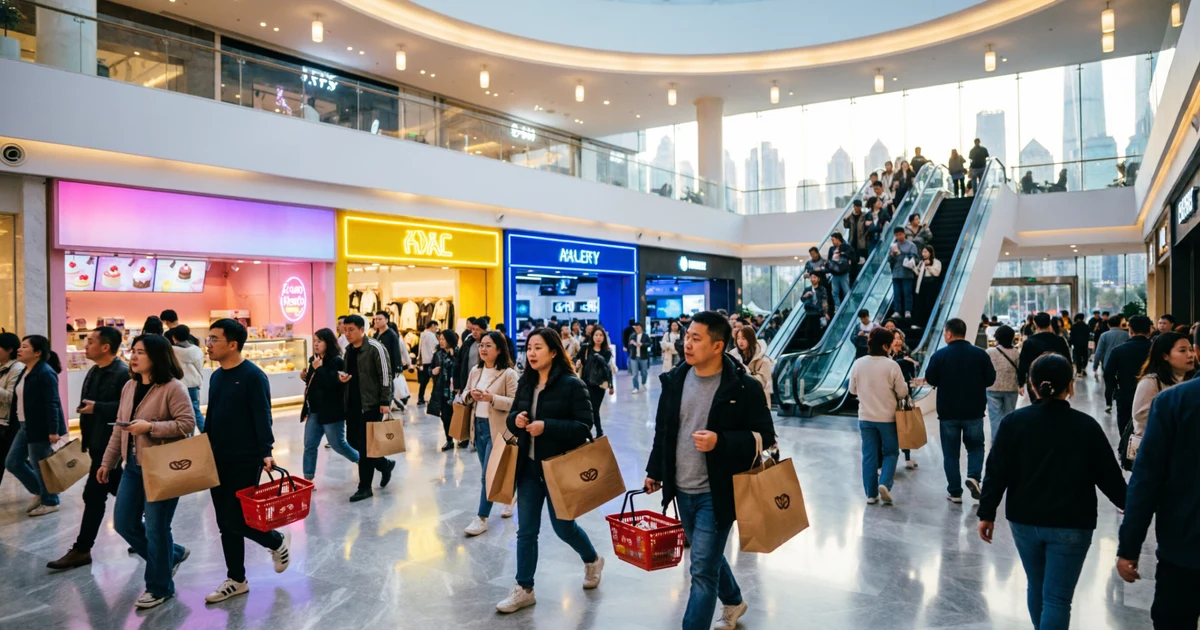
Similes that describe crowded shopping malls in a creative way
Crowded malls feel loud and active. Writers often compare them to busy natural scenes.
Examples
- The mall was like a hive full of restless bees
- The crowd moved like waves in the ocean
- People flowed through stores like a rushing wind
Similes that show the excitement of buying new things
Buying something new creates joy and energy.
Examples
- Getting new shoes feels like flying on clouds
- Shopping for gifts feels like finding hidden gold
- Buying something you love feels like winning a small victory
Similes that describe window shopping in a relatable way
Window shopping means looking without buying.
Examples
- Window shopping is like walking through a gallery of dreams
- It feels like watching sweets behind glass without touching them
- It is like browsing a story without turning the last page
Similes for online shopping and digital buying habits
Online shopping has its own modern feeling.
Examples
- Scrolling products feels like flipping through endless catalogs
- Waiting for delivery feels like waiting for a birthday surprise
- Clicking “buy now” feels like sending a wish into space
Similes that compare shopping to emotional experiences
Shopping often connects with feelings.
Examples
- Shopping after stress feels like rain after heat
- Buying comfort items feels like a warm hug
- Shopping during sadness feels like searching for light in fog
Similes that describe impulsive buying behavior
Impulsive buying happens fast and without planning.
Examples
- Impulse buying feels like grabbing candy without thinking
- It is like chasing butterflies in a storm
- Buying without planning feels like jumping into water fully clothed
Similes for comparing shopping to treasure hunting
Shopping often feels like searching for something special.
Examples
- Finding a good deal is like discovering buried treasure
- Bargain hunting feels like exploring a secret cave of gold
- Searching for the right item feels like solving a mystery map
Similes that show slow and tiring shopping trips
Some shopping trips feel long and exhausting.
Examples
- Long shopping trips feel like walking through endless sand
- Carrying bags feels like lifting heavy stones
- Searching for items feels like climbing a steep hill
Similes for luxury shopping experiences in simple language
Luxury shopping feels smooth and elegant.
Examples
- Luxury stores feel like walking through a palace of lights
- High end shopping feels like floating in a calm dream
- Designer malls feel like art galleries made of fashion
Similes that describe discount hunting and bargain deals
Discount shopping brings excitement and urgency.
Examples
- Finding discounts feels like catching falling stars
- Sale shopping feels like racing through a treasure field
- Bargain hunting feels like winning a small battle
How students can use similes for shopping in essays
Students can use shopping similes to improve descriptive writing.
Tips
- Use simple comparisons
- Keep ideas clear and realistic
- Match similes with emotions in the story
- Avoid overusing comparisons in one paragraph
Common mistakes when writing similes for shopping scenes
Writers often make simple errors.
Common mistakes
- Using confusing comparisons
- Overloading sentences with too many similes
- Using unrelated objects
- Repeating the same idea again and again
Creative similes that describe checkout lines and waiting time
Waiting in lines feels slow and frustrating.
Examples
- Checkout lines move like slow crawling snails
- Waiting feels like watching paint dry in silence
- The queue feels like a never ending road
Real life examples where people naturally use shopping similes
People often use similes in daily talk without noticing.
Examples
- This mall is like a city on its own
- That sale is like a festival
- Shopping there feels like a maze
How to improve your writing with better shopping similes
Good writing needs fresh ideas.
Ways to improve
- Observe real shopping experiences
- Use emotions in comparisons
- Mix nature and daily life ideas
- Practice writing new similes regularly
Advanced simile ideas for storytelling and content writing
Advanced writers create deeper images.
Examples
- Shopping in chaos feels like dancing in a storm
- Finding perfect items feels like hearing music in silence
- Modern shopping feels like navigating a digital ocean
Conclusion
Similes for shopping make writing more vivid, emotional, and creative. They turn simple experiences into strong mental images. Whether you describe crowded malls, online orders, or luxury stores, the right simile helps your reader feel the moment instead of just reading it. Practice often and your writing will naturally improve.
FAQs
1. What is a simile for shopping?
It is a comparison that describes shopping using “like” or “as.”
2. Why do writers use shopping similes?
They help make descriptions more vivid and interesting.
3. Can I use shopping similes in essays?
Yes, they improve descriptive writing in school essays.
4. What is a simple example of a shopping simile?
Shopping feels like a treasure hunt.
5. How do similes improve writing?
They help readers visualize scenes clearly.
6. What is a simile for online shopping?
Online shopping feels like waiting for a surprise gift.
7. Can similes describe emotions in shopping?
Yes, they show feelings like joy, stress, or excitement.
8. What is a simile for crowded malls?
A crowded mall is like a buzzing beehive.
9. Are similes useful for storytelling?
Yes, they make stories more engaging and realistic.
10. How can I create better similes?
Observe real life and compare it with familiar objects or feelings.
