
Quick Answer
A simile for phone compares a phone to something else using words like “like” or “as” to make descriptions more creative and relatable. For example, “My phone buzzed like a trapped bee” or “Her smartphone worked like lightning.” Writers use phone similes to describe speed, addiction, notifications, broken screens, and everyday phone habits in a vivid way.
Introduction
People use phones every single day, yet describing them in a fun and creative way can feel difficult. That is where similes help. A good simile for phone makes writing more vivid, emotional, and memorable. It turns an ordinary sentence into something readers can picture instantly.
Whether you write school essays, stories, social media captions, or creative content, phone similes can make your words stand out. Some similes sound funny while others express stress, speed, addiction, or connection.
In this guide, you will learn creative simile for phone examples, understand how writers use them, and discover tips for creating your own original comparisons.
What Does a Simile for Phone Mean
A simile compares two different things using words like “as” or “like.” A simile for phone compares a phone to another object, feeling, or situation to explain an idea more clearly.
Examples include:
- “My phone buzzed like a trapped bee.”
- “His phone screen shined like a tiny sun.”
- “Her phone felt like an extra hand.”
These comparisons help readers imagine the scene quickly.
Why Writers Use Similes to Describe Phones
Phones play a huge role in modern life. Writers use similes to describe emotions, habits, and everyday experiences connected to them.
A strong simile can:
- Add humor
- Create emotion
- Make writing easier to understand
- Help readers connect with the message
- Improve storytelling
For example:
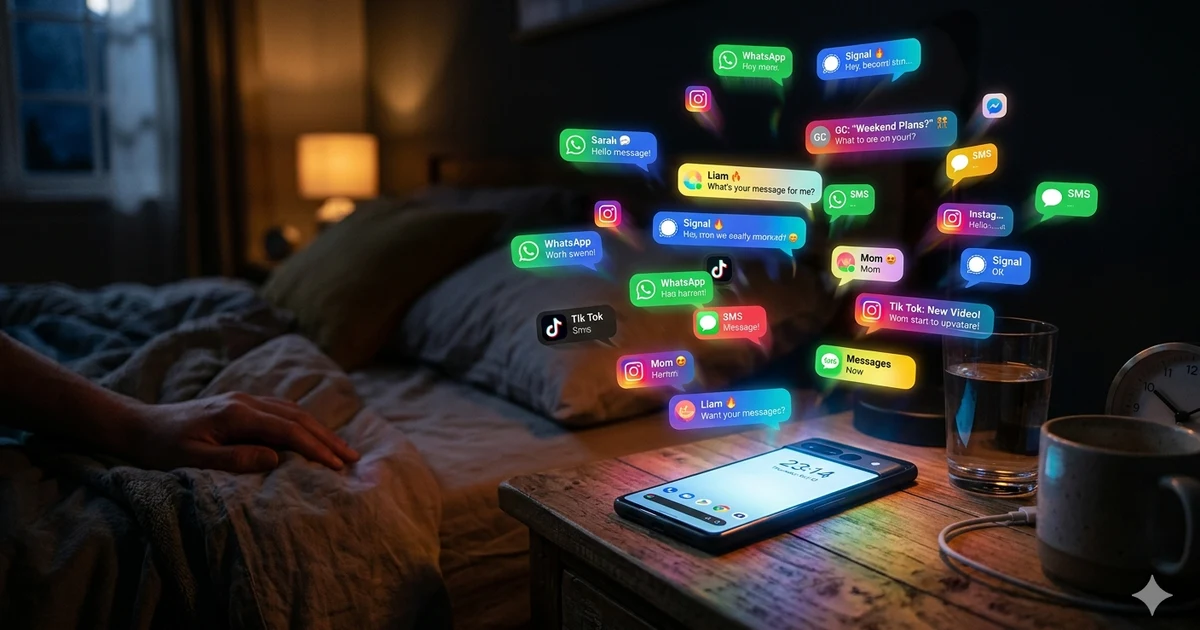
“His phone notifications came like nonstop fireworks.”
This sentence instantly creates noise and chaos in the reader’s mind.
Simple Simile for Phone Examples Anyone Can Understand
Simple similes work best for beginners and students. They sound natural and easy to remember.
Examples include:
- “The phone rang like an alarm clock.”
- “Her phone screen glowed like moonlight.”
- “My phone felt like a lifeline.”
- “The cracked phone looked like shattered ice.”
- “His phone moved as slowly as a turtle.”
These examples fit daily conversations and classroom writing.
Funny Similes for Phone Addiction
Phone addiction creates many funny situations. Similes help describe those habits in a playful way.
Examples include:
- “He held his phone like a baby bottle.”
- “She checked notifications like a detective solving a mystery.”
- “My friend clung to his phone like glue.”
- “They stared at screens like zombies.”
- “Her phone followed her like a shadow.”
Funny similes make readers laugh because they recognize the behavior.
Similes That Describe a Slow Phone
Everyone feels frustrated with a slow phone. Similes capture that annoyance perfectly.
Examples include:
- “My phone moved like a snail in traffic.”
- “The app opened like an ancient door.”
- “His phone worked as slowly as melting ice.”
- “The loading screen crawled like a tired caterpillar.”
- “The old phone reacted like a sleepy student on Monday morning.”
These comparisons add humor to common tech problems.
Similes for a Fast and Powerful Smartphone
Modern smartphones often feel incredibly fast. Similes can highlight speed and performance.
Examples include:
- “The phone worked like lightning.”
- “Apps opened like racing cars.”
- “Her smartphone ran like a sports engine.”
- “The screen switched pages like flipping cards.”
- “The device responded like a trained athlete.”
These similes fit product reviews and creative writing.
Best Similes for Phone Notifications and Calls
Notifications can feel exciting, stressful, or distracting depending on the moment.
Examples include:
- “The phone buzzed like angry bees.”
- “Notifications popped up like popcorn.”
- “Her ringtone sounded like church bells.”
- “The alerts attacked him like raindrops during a storm.”
- “Calls arrived like surprise visitors.”
Writers often use sound based similes because readers recognize them quickly.
Similes That Compare Phones to Human Behavior
Many people treat phones almost like living companions. Writers use similes to reflect that relationship.
Examples include:
- “The phone listened like a loyal friend.”
- “His smartphone followed commands like a trained dog.”
- “The device remembered details like a sharp minded teacher.”
- “Her phone waited silently like a patient assistant.”
- “The phone reacted like an emotional teenager after low battery warnings.”
These similes create personality and emotion.
Creative Similes for Broken Phone Screens
Broken screens create strong visual images. Similes help describe them vividly.
Examples include:
- “The cracked screen looked like spider webs.”
- “His phone glass shattered like frozen water.”
- “The damage spread like lightning across the display.”
- “The screen sparkled like broken mirrors.”
- “The cracks stretched like dry river lines.”
These descriptions work well in stories and personal writing.
Similes That Describe Battery Life Problems
Battery problems frustrate almost everyone. Creative comparisons make the experience relatable.
Examples include:
- “My battery died like a candle in the wind.”
- “The phone drained power like a leaking bucket.”
- “Its battery vanished like disappearing smoke.”
- “The battery warning hit like bad news.”
- “The old phone needed charging like a thirsty traveler needs water.”
These similes connect technology with everyday experiences.
Smart Similes for Social Media and Phone Use
Phones and social media often go together. Writers use similes to show emotional attachment and constant scrolling.
Examples include:
- “She scrolled through videos like flipping magazine pages.”
- “Social media pulled him in like a magnet.”
- “The endless feed flowed like a river.”
- “Notifications tempted users like candy in a store.”
- “The app trapped attention like a spider web.”
These comparisons feel modern and relatable.
Similes for Phones in Modern Daily Life
Phones shape work, communication, and entertainment. Similes show how important they have become.
Examples include:
- “The phone worked like a pocket office.”
- “Her smartphone acted like a digital diary.”
- “The device stayed beside him like a best friend.”
- “Phones connect people like bridges.”
- “The smartphone handled tasks like a personal assistant.”
These examples suit articles and presentations.
Emotional Similes About Being Attached to a Phone
People often feel emotionally connected to their phones because they store memories, photos, and conversations.
Examples include:
- “She protected her phone like treasure.”
- “The phone comforted him like familiar music.”
- “Losing the device felt like losing a piece of home.”
- “Her phone stayed close like a trusted companion.”
- “The empty pocket felt like missing a heartbeat without the phone.”
These similes create emotional depth.
Similes for Loud Phone Rings and Alerts
Loud notifications grab attention immediately. Writers use energetic comparisons to describe them.
Examples include:
- “The ringtone exploded like fireworks.”
- “The alert screamed like a siren.”
- “His phone rang like a school bell.”
- “The sound crashed through the room like thunder.”
- “The notification hit my ears like clanging metal.”
Strong sound imagery makes writing more vivid.
Short Similes for Phone Writing Assignments
Short similes fit quick assignments and classroom tasks.
Examples include:
- “Fast like lightning.”
- “Bright like the sun.”
- “Slow like a turtle.”
- “Buzzing like bees.”
- “Fragile like glass.”
Students often prefer shorter examples because they sound clean and easy to remember.
Similes Students Can Use in School Essays
School essays need simple and creative comparisons that teachers understand easily.
Examples include:
- “The phone glowed like a lantern in the dark.”
- “His smartphone worked like a tiny computer.”
- “The ringtone echoed like a bird call.”
- “The cracked screen looked like broken ice.”
- “Notifications appeared like falling rain.”
Students should avoid overly complicated comparisons.
Creative Phone Comparisons for Story Writing
Story writing allows more imagination and emotion.
Examples include:
- “The phone vibrated like a nervous heartbeat.”
- “Its screen glimmered like hidden treasure.”
- “The endless notifications chased him like ghosts.”
- “Her phone sat silently like a sleeping cat.”
- “The dead battery felt like a stranded traveler.”
Creative similes help stories feel alive.
Similes That Show the Importance of Smartphones
Smartphones influence communication, work, learning, and entertainment. Writers often compare them to essential tools.
Examples include:
- “A smartphone works like a modern toolbox.”
- “Phones connect families like invisible threads.”
- “The device acts like a pocket library.”
- “Smartphones guide people like maps.”
- “The phone serves daily life like electricity serves homes.”
These comparisons highlight modern dependence on technology.
Common Mistakes People Make When Writing Similes for Phone
Many writers weaken their similes by making them confusing or repetitive.
Common mistakes include:
- Using comparisons nobody understands
- Repeating the same simile too often
- Making comparisons too long
- Choosing unrelated objects
- Adding too many similes in one paragraph
Good similes stay clear, simple, and easy to picture.
Bad example:
“The phone looked like a mysterious cosmic universe filled with endless technological dreams.”
Better example:
“The phone glowed like a flashlight in the dark.”
How to Create Your Own Original Simile for Phone
Creating original similes becomes easier with practice.
Follow these steps:
- Think about the phone feature you want to describe
- Focus on emotions, sounds, speed, or appearance
- Compare it with something familiar
- Keep the sentence short and natural
Example process:
- Feature: Loud ringtone
- Familiar object: Fire alarm
- Simile: “The ringtone sounded like a fire alarm.”
Original similes feel more personal and memorable.
Conclusion
A creative simile for phone can turn ordinary writing into something vivid and engaging. Whether you describe speed, addiction, broken screens, or constant notifications, similes help readers picture the experience clearly.
Simple comparisons often work best because readers understand them instantly. Funny similes add humor while emotional similes create stronger connections.
With practice, you can create original phone similes that improve essays, stories, social posts, and everyday writing.
FAQs
What is a simile for phone?
A simile for phone compares a phone to another thing using words like “like” or “as.”
What are some funny similes for phone addiction?
Examples include “He held his phone like glue” and “She stared at the screen like a zombie.”
How do students use similes for phones?
Students use them in essays, stories, and creative writing to make descriptions more interesting.
What is a good simile for a slow phone?
“My phone moved like a tired snail” works well.
Can similes improve writing quality?
Yes. Similes make writing clearer, more emotional, and more engaging.
What is a simile for loud phone notifications?
“The notifications exploded like fireworks” creates strong imagery.
Why do writers compare phones to people?
Phones often feel personal and interactive, so human comparisons sound relatable.
What makes a good phone simile?
A good simile stays simple, clear, and easy to imagine.
Can I create my own simile for phone?
Yes. Think about the phone feature and compare it with something familiar.
What is a simple simile for smartphone speed?
“The smartphone worked like lightning” is a simple example.
