
Quick Answer Box
What is a simile for past?
A simile for the past compares past experiences, memories, or earlier times to something familiar using words such as like or as. Writers use these comparisons to make memories and reflections more vivid and relatable.
Introduction
The past shapes who we are. It holds our memories, lessons, victories, mistakes, and experiences. Writers often struggle to describe the past in a way that feels vivid and meaningful. This is where similes become useful.
A simile compares one thing to another using words such as “like” or “as.” When writers use a simile for past experiences, they help readers see, feel, and understand memories more clearly.
In this guide, you will learn what a simile for the past means, why writers use it, and how to create your own powerful comparisons. You will also find practical examples for stories, essays, poems, and creative writing.
What a Simile for Past Means in Simple Words
A simile for the past compares the past to something familiar. The comparison helps readers picture memories, old experiences, or former times.
Examples:
- The past was like an old book filled with forgotten stories.
- Her memories drifted like leaves on a quiet river.
- The past lingered like a distant song.
Each example creates a stronger image than simply saying someone remembered something.
Why Writers Compare the Past to Physical Objects
Physical objects give readers something concrete to imagine. Since the past cannot be touched or seen directly, writers often connect it to everyday objects.
Examples:
- The past sat in his mind like a dusty photograph.
- Her childhood remained like a treasured keepsake.
- Old memories rested like books on a forgotten shelf.
These comparisons make abstract ideas easier to understand.
How Similes Make Memories Feel More Real
Memories often feel emotional and personal. Similes add color and detail to those emotions.
Instead of writing:
“She remembered her childhood.”
You could write:
“Her childhood memories floated back like balloons carried by the wind.”
The second sentence creates a stronger image and emotional connection.
Simple Similes for Past That Students Can Understand
Students often need easy examples for school assignments.
Examples:
- The past was like a closed door.
- Memories stayed like pictures in an album.
- The past faded like chalk on a blackboard.
- Old times felt like pages in a storybook.
- The past moved away like a train leaving the station.
These simple comparisons work well in essays and classroom writing.
Creative Similes for Past That Show Time Passing
Writers often use creative comparisons to show how time changes things.
Examples:
- The past slipped away like sand through fingers.
- Yesterday vanished like mist in the morning sun.
- Old years disappeared like footprints in the tide.
- Time moved like a river carrying memories downstream.
These similes highlight movement and change.
Emotional Similes for Past in Stories and Poems
Stories and poems often focus on feelings. Emotional similes help readers connect with those feelings.
Examples:
- The past hurt like a fresh wound.
- Memories returned like unexpected visitors.
- The past comforted her like a warm blanket.
- Old regrets followed him like a shadow.
Each comparison reflects a different emotional experience.
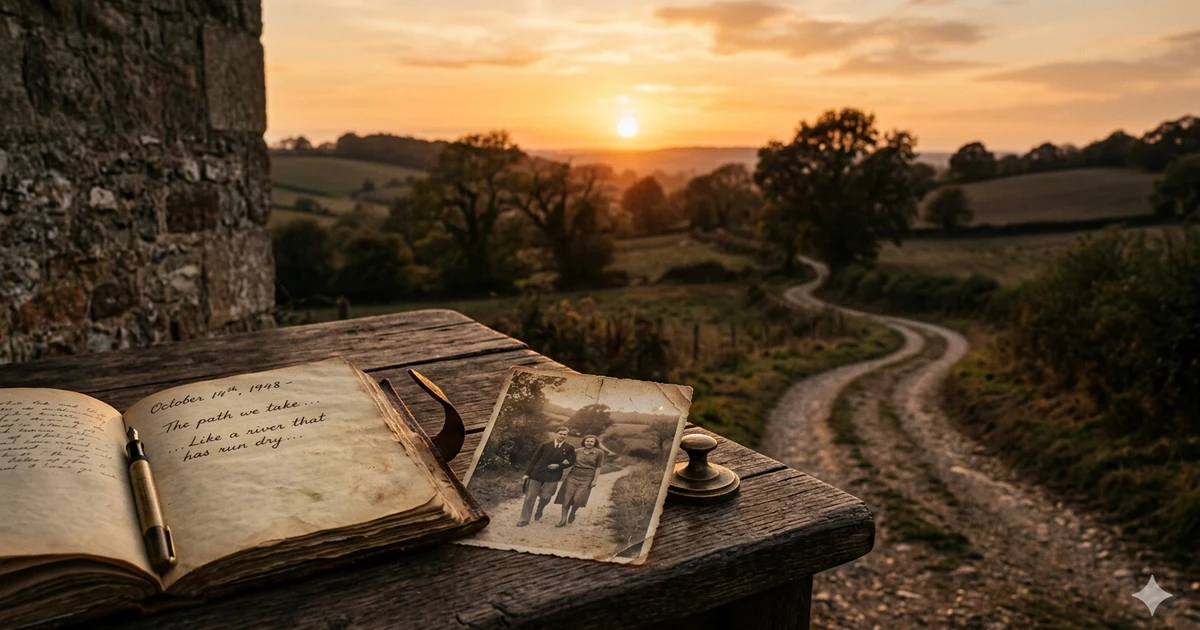
How the Past Can Feel Like a Fading Photograph
One of the most common images for the past involves old photographs.
A fading photograph represents:
- Lost details
- Aging memories
- Nostalgia
- The passage of time
Example:
“The past lingered like a fading photograph tucked inside a forgotten drawer.”
This image instantly creates a sense of nostalgia.
Similes for Happy Memories from the Past
Happy memories often bring warmth and joy.
Examples:
- Childhood memories shone like stars in the night sky.
- The past sparkled like sunlight on water.
- Good times returned like favorite songs.
- Old laughter echoed like cheerful bells.
These comparisons create positive emotional images.
Similes for Painful or Regretful Memories
Not all memories bring comfort. Some remind us of mistakes or loss.
Examples:
- Regret clung to him like wet clothing.
- Painful memories returned like storms on the horizon.
- The past haunted her like a ghost.
- Old mistakes followed him like footprints in mud.
These similes help readers feel emotional weight.
Nature Based Similes for Describing the Past
Nature offers endless inspiration for writing.
Examples:
- The past flowed like a quiet stream.
- Memories scattered like autumn leaves.
- Old moments rested like snow on a mountain.
- The years passed like migrating birds.
Nature based similes feel natural and relatable.
Similes That Compare the Past to Weather and Seasons
Weather and seasons often symbolize change.
Examples:
- The past drifted away like summer clouds.
- Memories arrived like spring rain.
- Old times faded like winter sunlight.
- The years changed like the seasons.
These comparisons emphasize growth and transformation.
Literary Examples of Similes About the Past
Many writers use similes to explore memory and time.
Common literary images include:
- Fading photographs
- Rivers
- Shadows
- Echoes
- Seasons
- Forgotten books
These images appear because readers easily understand them and connect with them emotionally.
Simile vs Metaphor When Writing About the Past
A simile uses words like or as.
Example:
“The past was like a forgotten road.”
A metaphor makes a direct statement.
Example:
“The past was a forgotten road.”
Both devices work well, but similes often feel clearer for new writers.
Common Mistakes to Avoid with Similes for Past
Avoid these common problems:
- Using clichés too often
- Making comparisons that do not fit the context
- Overloading a paragraph with similes
- Mixing unrelated images
- Creating comparisons readers cannot understand
Strong similes stay simple and relevant.
How to Create Your Own Original Similes for Past
Creating original similes becomes easier when you follow a process.
Step 1: Think about how the past feels.
Step 2: Identify an object or experience with a similar feeling.
Step 3: Connect them using like or as.
Examples:
Feeling: Fading memory
Simile: “The memory faded like ink left in the sun.”
Feeling: Nostalgia
Simile: “The past returned like the scent of an old perfume.”
Similes for Past Events in Narrative Writing
Narrative writing often includes reflections on earlier events.
Examples:
- The memory surfaced like a message in a bottle.
- The past arrived like an unexpected guest.
- Old moments replayed like scenes from a movie.
- Memories drifted through his mind like clouds across the sky.
These examples add depth to storytelling.
Using Similes to Show Nostalgia and Reflection
Nostalgia involves longing for the past. Similes can capture that feeling beautifully.
Examples:
- The past felt like a warm fire on a cold night.
- Memories lingered like the scent of fresh bread.
- Childhood returned like a favorite melody.
- The years seemed like a dream that ended too soon.
These comparisons create warmth and reflection.
Similes for Historical Time Periods
Writers sometimes describe entire eras through similes.
Examples:
- The ancient world stood like a foundation beneath modern life.
- History unfolded like a long tapestry.
- The past stretched like an endless road.
- Earlier centuries rested like chapters in a giant book.
These examples work well in history essays and educational writing.
Quick List of the Best Similes for Past
- Like a fading photograph
- Like leaves carried by the wind
- Like pages in an old book
- Like footprints washed away by the tide
- Like a distant echo
- Like a forgotten road
- Like a song from long ago
- Like sand slipping through fingers
- Like stars fading at dawn
- Like a river flowing endlessly
Frequently Asked Questions About Similes for Past
What is a simile for the past?
A simile for the past compares past experiences or memories to something else using words such as like or as.
Why do writers use similes for the past?
They help readers visualize memories and connect emotionally with the writing.
What is an example of a past simile?
“The past was like a fading photograph.”
Can similes describe memories?
Yes. Similes often make memories more vivid and relatable.
Are similes useful in essays?
Yes. They can improve descriptive writing and make ideas easier to understand.
What is the difference between a simile and a metaphor?
A simile uses like or as, while a metaphor makes a direct comparison.
Can students use similes for the past?
Yes. Similes help students create stronger and more engaging writing.
What themes work well with past similes?
Memory, nostalgia, regret, growth, history, and reflection all work well.
How do I create an original simile for the past?
Think about the feeling you want to express and compare it to something familiar that creates the same feeling.
What is the most popular simile for the past?
Many writers use “like a fading photograph” because it clearly represents memory and the passage of time.
Conclusion
A simile for past experiences helps transform ordinary writing into something memorable and vivid. Whether you describe childhood memories, historical events, nostalgia, or personal reflection, a well chosen simile gives readers a clear picture of what you mean. By comparing the past to photographs, rivers, seasons, books, or other familiar images, writers create stronger emotional connections and bring old memories back to life on the page.
