
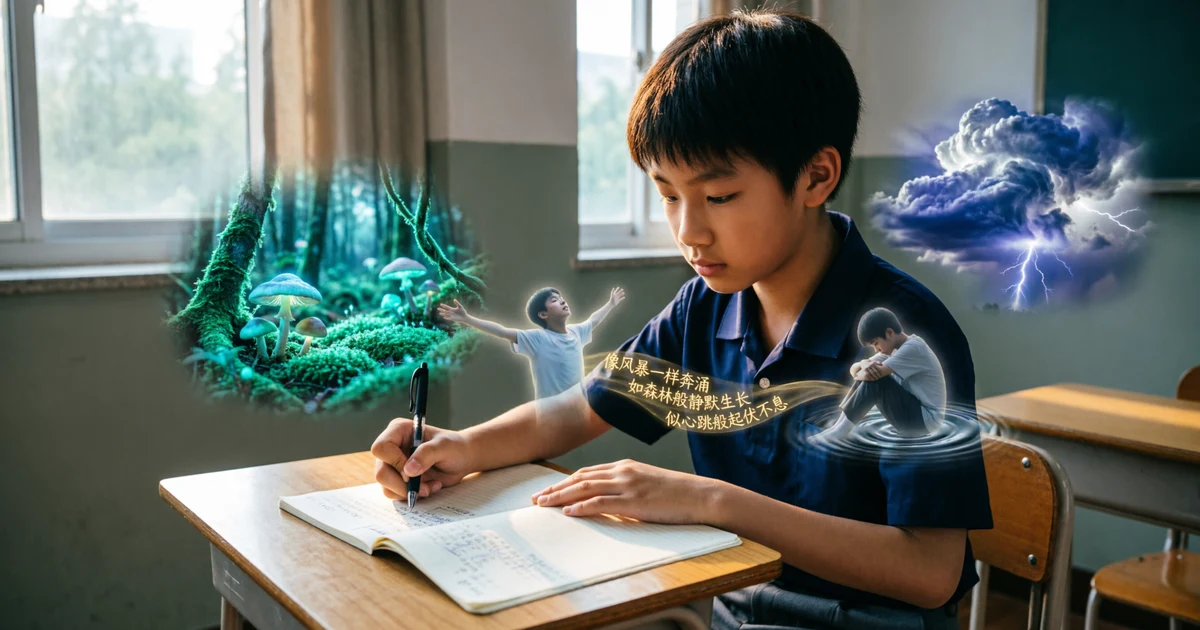
Quick Answer
A simile for narrative writing is a comparison that uses “like” or “as” to make stories more vivid, emotional, and easy to imagine for readers.
Introduction
Stories feel stronger when readers can picture every moment clearly. A good simile helps writers create vivid scenes, emotional characters, and memorable experiences. It turns simple sentences into descriptions that stay in the reader’s mind long after the story ends.
Narrative writing depends on emotion, detail, and imagination. Similes help writers compare one thing to another in a creative way that feels natural and easy to understand. Whether you write school assignments, short stories, or novels, strong similes can improve your storytelling.
In this guide, you will learn how similes work in narrative writing, why writers use them, and how to create your own original comparisons with confidence.
What a simile for narrative writing means in simple words
A simile compares two different things using the words “like” or “as.” Writers use similes to make descriptions clearer and more interesting.
Examples:
- Her smile shone like the morning sun.
- The classroom felt as quiet as a library at midnight.
- His voice cracked like thin ice.
Narrative writing tells a story. Similes help readers imagine the people, places, and emotions inside that story.
Why similes make narrative writing more engaging
Readers enjoy stories that create strong images in their minds. Similes add color and feeling to ordinary sentences.
Instead of saying:
“The rain fell heavily.”
You could write:
“The rain crashed onto the roof like a thousand drums.”
The second sentence creates sound, movement, and emotion. It pulls the reader deeper into the scene.
Strong similes also help readers connect with characters because they make emotions easier to understand.
How similes improve storytelling and description
Good storytelling depends on detail. Similes make descriptions more vivid without using long explanations.
For example:
- The old house stood like a forgotten ghost at the end of the road.
- Fear crawled through her body like a cold spider.
These comparisons create atmosphere quickly. Readers immediately understand the mood of the story.
Similes also help with:
- Building suspense
- Showing emotion
- Creating visual scenes
- Improving pacing
- Making characters memorable
Simple simile for narrative writing examples for beginners
Beginners should start with clear and easy comparisons.
Examples:
- He ran like the wind.
- The baby slept like a lamb.
- Her eyes sparkled like stars.
- The water felt as cold as ice.
- The teacher’s voice sounded like thunder.
Simple similes work well because readers understand them instantly.
Similes that create strong emotions in stories
Emotional similes help readers feel what characters experience.
Examples:
- Sadness hung over him like a dark cloud.
- Her heart raced like a trapped bird.
- Anger burned inside him like wildfire.
- Fear wrapped around her like a heavy chain.
These descriptions make emotions more powerful and relatable.
When writing emotional scenes, choose comparisons readers can recognize from real life.
Creative similes for character descriptions
Character descriptions become more memorable with original similes.
Examples:
- His grin stretched across his face like a crooked zipper.
- Her hair flowed like black silk in the wind.
- The old man moved like a rusty machine.
- His eyes darted around like frightened mice.
Creative comparisons reveal personality, mood, and appearance at the same time.
Avoid overused descriptions whenever possible.
Similes for describing settings and locations vividly
Settings shape the atmosphere of a story. Similes help readers picture locations clearly.
Examples:
- The forest stood as silent as a tomb.
- The city lights glittered like spilled diamonds.
- The desert stretched out like a golden ocean.
- The abandoned school looked like a broken castle.
These comparisons turn ordinary places into vivid scenes.
Powerful similes for action scenes in narrative writing
Fast paced scenes need strong visual language. Similes add energy and movement.
Examples:
- The car shot down the street like a rocket.
- He punched the wall like a hammer striking metal.
- The crowd exploded like fireworks after the winning goal.
- She leaped over the fence like a frightened deer.
Action similes should feel quick and sharp. Long comparisons can slow the scene down.
Similes that make dialogue feel more natural
People often use similes in everyday speech. Adding them to dialogue can make conversations sound realistic.
Examples:
- “You look as pale as a ghost,” she whispered.
- “That test hit me like a truck,” he said.
- “My stomach feels like a washing machine,” Jake groaned.
Natural sounding similes help dialogue feel believable and expressive.
How to use similes without overloading your story
Too many similes can weaken your writing. Readers may feel distracted if every sentence includes a comparison.
Use similes when they add value.
Good places for similes include:
- Emotional moments
- Important descriptions
- Dramatic scenes
- Character introductions
Keep comparisons fresh and meaningful instead of forcing them into every paragraph.
Common mistakes writers make with similes
Many writers make simple mistakes when using similes.
Common problems include:
- Using clichés too often
- Making comparisons too complicated
- Mixing emotions or images
- Adding too many similes in one paragraph
Weak example:
“Her smile was like sunshine mixed with candy and fireworks.”
The comparison feels confusing because it combines unrelated images.
Strong example:
“Her smile warmed the room like sunlight through a window.”
Clear similes usually work best.
Short similes for school narrative writing assignments
Short similes fit perfectly in school writing because they sound simple and clear.
Examples:
- Busy as a bee
- Quiet like snow
- Fast as lightning
- Soft like cotton
- Sharp as glass
Students can use short similes to improve descriptive paragraphs quickly.
Funny similes that add personality to a story
Humor makes stories more entertaining. Funny similes create playful images readers remember.
Examples:
- He danced like a chicken on roller skates.
- Her room smelled like old socks trapped in a gym bag.
- The dog snored like a broken lawn mower.
- His hair stuck up like burnt noodles.
Funny comparisons work best in lighthearted scenes.
Dark and emotional similes for dramatic storytelling
Serious stories often need darker imagery.
Examples:
- Silence spread through the room like poison.
- Her memories clung to her like wet ashes.
- The storm rolled across the sky like an army marching to war.
- Grief hit him like a collapsing wall.
Dark similes create tension and emotional depth.
Similes for memories dreams and flashbacks in narratives
Dreams and memories often feel emotional or blurry. Similes help describe those feelings clearly.
Examples:
- The memory faded like smoke in the wind.
- His dream floated through his mind like a drifting cloud.
- Childhood memories returned like waves crashing onto shore.
- The past haunted her like footsteps in an empty hallway.
These comparisons create emotional atmosphere and reflection.
Similes that help readers visualize movement and speed
Movement becomes easier to imagine when writers use strong comparisons.
Examples:
- The horse raced across the field like a storm.
- Leaves spun through the air like tiny dancers.
- She moved through the crowd like flowing water.
- The athlete sprinted like a cheetah chasing prey.
Good movement similes create clear mental pictures.
How famous authors use similes in narrative writing
Great writers often use similes to strengthen scenes and emotions.
Many classic novels include comparisons that readers remember for years because they create powerful imagery.
Skilled authors usually:
- Keep similes simple
- Match the tone of the story
- Use comparisons that fit the character
- Avoid repeating the same style too often
Reading novels and short stories can help writers understand how professionals use similes naturally.
Tips for creating original similes in your own stories
Original similes feel fresh and memorable.
Here are some useful tips:
- Observe real life carefully
- Compare emotions to physical experiences
- Use sensory details
- Avoid common clichés
- Match similes to the story mood
For example:
Instead of writing:
“Cold as ice.”
Try:
“Cold like forgotten metal in winter.”
Specific details create stronger imagery.
Best simile for narrative writing examples by theme
Nature
- The river twisted like a silver snake.
- The trees swayed like dancers in the wind.
Fear
- Terror gripped him like iron chains.
- Her scream cut through the night like shattered glass.
Love
- Her laugh felt like sunshine after rain.
- His words wrapped around her like a warm blanket.
Adventure
- The map opened like a doorway to another world.
- The ship moved across the sea like a hunting shark.
Practice exercises to improve similes in narrative writing
Practice helps writers create stronger comparisons.
Try these exercises:
Describe emotions
Write similes for:
- Happiness
- Fear
- Excitement
- Loneliness
Describe weather
Create similes for:
- Rainstorms
- Snow
- Heat
- Wind
Rewrite plain sentences
Turn this sentence into something vivid:
“The hallway was noisy.”
Possible answer:
“The hallway roared like a crowded stadium.”
Daily practice improves creativity and confidence.
Conclusion
Similes bring narrative writing to life. They help readers see emotions, settings, and action more clearly. A strong simile can turn an ordinary sentence into a memorable moment that stays with the reader.
The best similes feel natural and meaningful. They match the mood of the story and help readers connect with characters and events. Whether you write school assignments or creative fiction, learning how to use similes well can improve every part of your storytelling.
Keep practicing with fresh comparisons and real world observations. Over time, your writing will feel more vivid, emotional, and engaging.
FAQs
What is a simile in narrative writing?
A simile compares two things using “like” or “as” to create vivid descriptions in a story.
Why do writers use similes in stories?
Writers use similes to improve imagery, emotion, and reader engagement.
What are simple simile examples for students?
Examples include “fast as lightning” and “quiet like snow.”
Can narrative writing contain many similes?
Yes, but writers should avoid using too many because it can distract readers.
How do similes improve storytelling?
Similes help readers imagine scenes, emotions, and actions more clearly.
What makes a good simile?
A good simile feels clear, creative, and connected to the story.
Are similes useful in school assignments?
Yes, similes make descriptive writing stronger and more engaging.
What is the difference between a simile and a metaphor?
A simile uses “like” or “as” while a metaphor directly compares two things.
How can I create original similes?
Observe real life carefully and use specific sensory details in comparisons.
Do famous authors use similes often?
Yes, many famous writers use similes to create memorable storytelling and vivid imagery.
