
Quick Answer Box
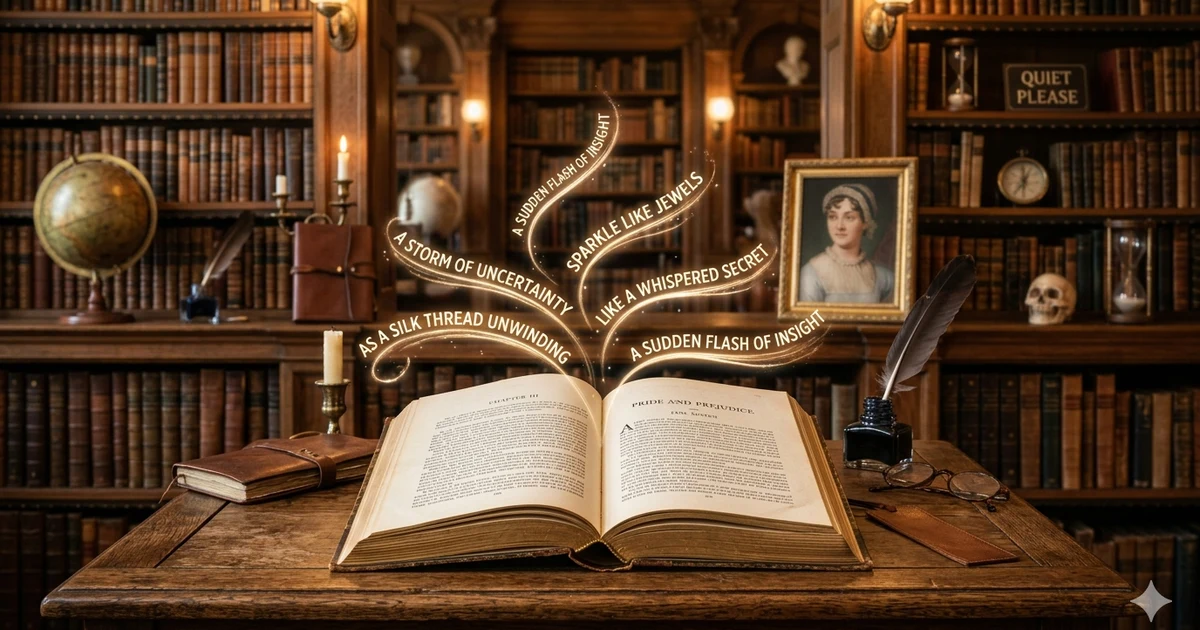
A simile in literature is a figure of speech that compares two different things using the words “like” or “as” to create clear and vivid imagery for readers.
Agar chaho to main isko aur SEO optimized + snippet friendly version bhi bana sakta hoon.
Introduction
Have you ever read a sentence that instantly painted a picture in your mind? A character may have been “as brave as a lion” or a storm may have moved “like a raging beast.” These comparisons help readers see, feel, and understand ideas more clearly. Writers achieve this effect through similes.
A simile ranks among the most popular literary devices in literature. It helps authors create vivid imagery, express emotions, develop characters, and make writing more memorable.
In this guide, you will learn what a simile in literature means, how it works, why writers use it, and how to recognize and create effective similes in your own writing.
What Is a Simile in Literature?
A simile is a figure of speech that compares two different things using the words “like” or “as.”
The purpose of a simile is to help readers understand one thing by comparing it to something familiar.
Examples:
- Her smile was as bright as the sun.
- The baby slept like a log.
- The water sparkled like diamonds.
These comparisons create a clearer image and make writing more engaging.
Why Authors Use Similes in Literary Writing
Authors use similes to make descriptions stronger and more memorable.
A well written simile can:
- Create vivid imagery
- Express emotions clearly
- Improve reader engagement
- Add beauty to language
- Strengthen characterization
Without similes, many descriptions would feel plain and less interesting.
For example:
“The room was quiet.”
Compared with:
“The room was as quiet as a deserted church.”
The second sentence creates a stronger impression.
How a Simile Differs From a Metaphor
Many people confuse similes and metaphors because both compare things.
A simile uses “like” or “as.”
Example:
- He ran like the wind.
A metaphor makes a direct comparison.
Example:
- He was the wind on the track.
The simile points out a similarity. The metaphor treats one thing as another.
Both devices add depth, but similes often feel more direct and easier to understand.
The Basic Structure of a Simile Explained
Most similes follow a simple pattern:
Subject + like or as + comparison
Examples:
- Her eyes shone like stars.
- The blanket felt as soft as silk.
- His voice sounded like thunder.
The comparison should help readers understand the subject in a meaningful way.
Strong similes feel natural and specific.
Famous Simile Examples From Classic Literature
Classic authors frequently used similes to enrich their writing.
Examples include:
- “My love is like a red, red rose.” by Robert Burns
- “As brave as a lion.”
- “Like a patient etherized upon a table.” from T. S. Eliot
These similes remain memorable because they create powerful images and emotions.
Many classic works rely on similes to make complex ideas easier to visualize.
Modern Simile Examples Found in Contemporary Books
Modern writers continue to use similes in creative ways.
Examples:
- Her thoughts raced like traffic during rush hour.
- The city glowed like a sea of stars.
- Anxiety wrapped around him like a heavy blanket.
Contemporary similes often draw comparisons from technology, urban life, and modern experiences.
This approach helps modern readers relate to the writing.
How Similes Create Strong Visual Imagery
Imagery helps readers picture scenes in their minds.
Similes strengthen imagery by connecting unfamiliar ideas to familiar experiences.
Example:
“The mountain stood like a giant guarding the valley.”
Readers instantly imagine size, power, and presence.
Strong imagery makes stories more immersive and memorable.
How Similes Help Readers Connect With Characters
Readers connect with characters through emotions and experiences.
Similes help communicate feelings more clearly.
Examples:
- She felt as nervous as a student before an important exam.
- His heart pounded like a drum.
These comparisons help readers understand emotional states quickly.
As a result, characters feel more realistic and relatable.
The Role of Similes in Poetry and Prose
Similes appear in both poetry and prose, but writers often use them differently.
In poetry:
- Similes create rhythm and emotion.
- They add beauty and symbolism.
In prose:
- Similes clarify descriptions.
- They support storytelling.
- They develop settings and characters.
Both forms benefit from carefully chosen comparisons.
Common Themes Writers Express Through Similes
Writers use similes to explore many themes.
Popular themes include:
- Love
- Fear
- Courage
- Nature
- Loneliness
- Hope
- Conflict
- Beauty
For example:
“Her hope burned like a candle in the darkness.”
This comparison highlights resilience during difficult times.
How Similes Influence Mood and Atmosphere
Mood reflects how readers feel while reading.
Similes can shape that emotional experience.
Examples:
- The forest stood silent like a graveyard.
- The morning felt as cheerful as a festival.
The first creates tension.
The second creates warmth and happiness.
Careful word choice helps establish the desired atmosphere.
Similes That Describe Emotions More Effectively
Emotions often feel abstract.
Similes make them easier to understand.
Examples:
- Angry as a volcano ready to erupt.
- Happy as a child on a holiday morning.
- Lonely like a single star in a dark sky.
These comparisons help readers experience emotions more vividly.
Similes Used to Describe Nature and Landscapes
Nature provides endless inspiration for similes.
Examples:
- The river flowed like liquid silver.
- The clouds floated like cotton.
- The mountains rose like ancient guardians.
Such comparisons create vivid outdoor scenes and enrich descriptive writing.
Many authors rely on nature based similes because readers easily recognize these images.
How Shakespeare Used Similes in His Works
William Shakespeare frequently used similes to deepen meaning and create memorable language.
Example from his work:
“My bounty is as boundless as the sea.”
This comparison emphasizes limitless generosity.
Shakespeare often used similes to express:
- Love
- Beauty
- Time
- Human emotions
His creative comparisons continue to influence writers today.
The Difference Between Simple and Complex Similes
Simple similes use direct comparisons.
Examples:
- Cold as ice.
- Busy as a bee.
Complex similes provide greater detail.
Example:
“His thoughts tangled together like vines growing through an abandoned garden.”
Complex similes create richer imagery and deeper meaning.
Writers often choose between simple and complex forms based on audience and purpose.
Common Mistakes Writers Make When Using Similes
Some similes weaken writing instead of improving it.
Common mistakes include:
- Using overused comparisons
- Creating confusing comparisons
- Adding too many similes
- Comparing unrelated ideas
- Forcing comparisons into every paragraph
Good similes feel natural and support the writing rather than distract from it.
How to Analyze a Simile in Literature Classes
When analyzing a simile, ask several questions:
- What two things does the author compare?
- Why did the author choose this comparison?
- What emotions does it create?
- How does it support the theme?
- How does it affect the reader?
Careful analysis reveals deeper layers of meaning.
Teachers often focus on these questions during literary discussions.
Tips for Writing Original and Memorable Similes
Strong similes come from observation and creativity.
Helpful tips include:
- Focus on specific details
- Avoid clichés
- Draw from personal experiences
- Match the comparison to the mood
- Keep comparisons easy to understand
Instead of:
“Fast as lightning.”
Try:
“Fast as a train rushing through an empty station.”
Fresh comparisons capture attention more effectively.
Practice Exercises for Identifying Similes in Texts
Try these simple exercises:
Exercise 1
Identify the simile:
“The moon hung like a lantern in the sky.”
Answer:
The moon is compared to a lantern.
Exercise 2
Identify the simile:
“She was as calm as still water.”
Answer:
She is compared to still water.
Exercise 3
Create your own simile describing happiness.
Example:
“His happiness spread like sunshine after a storm.”
Regular practice improves recognition and writing skills.
Why Similes Remain Important in Modern Literature
Similes continue to play an important role because they help readers visualize ideas quickly.
They make writing:
- More expressive
- More engaging
- Easier to understand
- More memorable
Whether in novels, poems, essays, or speeches, similes help writers communicate with clarity and creativity.
Their ability to connect complex ideas with familiar experiences ensures their lasting value in literature.
Conclusion
A simile in literature does much more than compare two things. It helps readers see vivid images, understand emotions, connect with characters, and enjoy richer storytelling. From classic poetry to modern novels, writers use similes to bring language to life.
Learning how similes work improves both reading and writing skills. Once you recognize the power behind these comparisons, you will notice them everywhere in literature and appreciate the creativity they bring to every page.
FAQs
What is a simile in literature?
A simile compares two different things using the words “like” or “as.”
Why do writers use similes?
Writers use similes to create imagery, express emotions, and make descriptions more memorable.
What is the difference between a simile and a metaphor?
A simile uses “like” or “as,” while a metaphor makes a direct comparison.
Can a simile appear in poetry?
Yes. Poets frequently use similes to create vivid imagery and emotional impact.
What are common examples of similes?
Examples include “as brave as a lion” and “like a shining star.”
How do similes improve writing?
They make descriptions clearer, stronger, and more engaging for readers.
Are similes only used in literature?
No. People use similes in everyday speech, advertising, music, and storytelling.
How can students identify a simile?
Look for comparisons that use the words “like” or “as.”
What makes a good simile?
A good simile feels original, clear, and relevant to the subject.
Why are similes important in modern literature?
They help writers create memorable images and connect with readers more effectively.
