Quick Answer
A simile for Grade 1 is a simple comparison that uses the words “like” or “as.” Similes help children describe things in a fun and creative way. Easy examples include “as bright as the sun” and “soft like a teddy bear.” First graders use similes to make their writing more colorful and exciting.
Learning similes can make writing exciting for young children. A simple sentence becomes more colorful when kids compare one thing to another using words like “like” or “as.” Grade 1 students enjoy similes because they sound fun and help them imagine things clearly.
In this guide, you will learn what a simile means, why children use similes in writing, and how first graders can create easy comparisons. You will also discover playful examples, classroom activities, and simple writing ideas that help young learners build confidence.
What a Simile Means for Grade 1 Students
A simile compares two different things in a fun and simple way. It uses the words “like” or “as” to make the comparison clear.
Examples:
- The sun is as bright as gold.
- She runs like a rabbit.
- The ice cream was as cold as snow.
These comparisons help children describe things better. They also make reading and writing more interesting.
How Similes Help Kids Learn Creative Writing
Similes help children think creatively. They encourage kids to use their imagination and explain ideas in a vivid way.
Benefits of similes for Grade 1 students:
- Improve vocabulary
- Build stronger sentences
- Make stories more exciting
- Help children express feelings
- Encourage creative thinking
When children practice similes often, they become more confident writers.
Easy Simile Examples Grade 1 Students Can Understand
Young learners need short and simple examples they can remember easily.
Easy similes for Grade 1:
- As soft as a pillow
- As fast as a car
- Like a shining star
- As sweet as candy
- Like a jumping frog
Teachers and parents can read these aloud to help children understand the meaning.
Similes Using Animals for First Grade Practice
Children love animals, so animal similes work very well in first grade lessons.
Examples:
- He is as busy as a bee.
- She swims like a fish.
- The boy was as quiet as a mouse.
- The puppy ran like a cheetah.
- The baby slept like a kitten.
These examples help children connect language with familiar animals.
Fun Similes About Food for Young Learners
Food similes feel playful and easy for young children to picture.
Examples:
- As red as an apple
- As round as an orange
- Like melting butter
- As sweet as honey
- As fluffy as cotton candy
Food based similes also work well during classroom games and drawing activities.
Similes That Describe Happy Feelings for Kids
Children often struggle to explain emotions. Similes help them express feelings clearly.
Examples:
- Happy like a child at a birthday party
- Smiling like the bright sun
- As cheerful as a singing bird
- Excited like popcorn popping
- As joyful as a puppy playing
These comparisons make emotional writing more fun and natural.
Simple Similes About School and Classroom Life
Kids understand school situations easily, so classroom similes feel familiar.
Examples:
- The bell rang like music.
- The crayons were as colorful as a rainbow.
- The classroom was as quiet as night.
- The students moved like busy ants.
- Her notebook looked as neat as a picture.
Teachers can use classroom objects to create new simile exercises every day.
Similes Using Colors and Shapes for Grade 1
Colors and shapes help young learners build visual understanding.
Examples:
- As blue as the sky
- As green as grass
- Round like a ball
- As yellow as the sun
- Straight like a ruler
Children enjoy drawing these comparisons during art and writing activities.
Nature Similes That Help Children Imagine Better
Nature gives children many ideas for creative comparisons.
Examples:
- As tall as a tree
- Like falling rain
- As bright as the moon
- Soft like flower petals
- As calm as a lake
Nature similes improve imagination and make stories more descriptive.
Funny Similes That Make First Graders Laugh
Funny examples keep children interested and active during lessons.
Examples:
- As silly as a dancing monkey
- Like spaghetti on a windy day
- As noisy as ten barking dogs
- Like a bouncing popcorn kernel
- As wiggly as a worm
Humor helps students remember similes more easily.
Short Simile Sentences Grade 1 Students Can Read Easily
Short sentences work best for beginning readers.
Examples:
- He runs like the wind.
- The cake is as sweet as sugar.
- The cat is soft like cotton.
- She shines like a star.
- The turtle moves as slow as a snail.
Children can practice reading these aloud during class.
How Teachers Can Explain Similes in a Simple Way
Teachers should use easy words and familiar examples.
Helpful teaching tips:
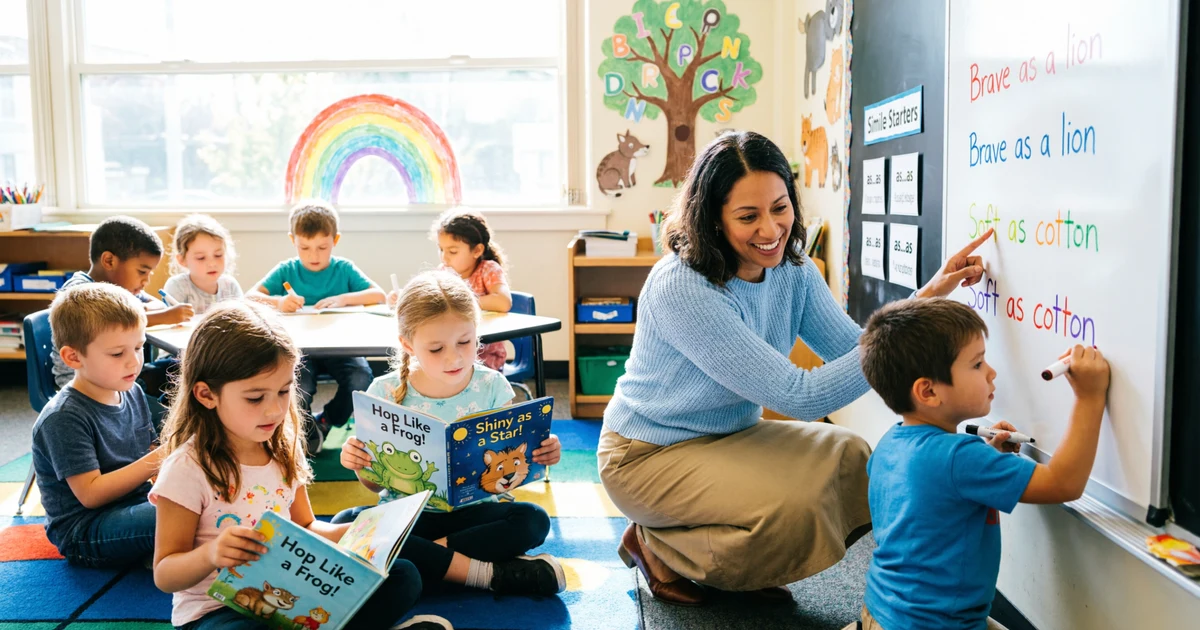
- Show pictures during lessons
- Use classroom objects
- Read storybooks with similes
- Ask children to create their own comparisons
- Keep examples short and fun
Simple teaching methods help children understand quickly.
Classroom Activities to Practice Similes in Grade 1
Interactive activities make learning more enjoyable.
Fun classroom ideas:
Matching Game
Students match objects with simile endings.
Example:
- Soft as a pillow
- Bright as the sun
Drawing Activity
Children draw a simile sentence.
Example:
- Fast like a rocket
Simile Circle Time
Students take turns making simple comparisons aloud.
These activities improve creativity and speaking skills.
Easy Simile Worksheet Ideas for First Grade
Worksheets help students practice independently.
Worksheet ideas:
- Fill in the blanks
- Match the simile parts
- Draw the simile
- Circle the word “like” or “as”
- Create one original simile
Simple worksheets keep children focused without feeling overwhelmed.
Common Mistakes Kids Make When Learning Similes
Young learners often confuse similes with regular descriptions.
Common mistakes include:
- Forgetting to use “like” or “as”
- Making unclear comparisons
- Using comparisons that do not make sense
- Copying the same similes repeatedly
Teachers should guide students gently and encourage creativity.
Difference Between Similes and Simple Comparisons
Not every comparison is a simile.
Simple comparison:
- The ball is red.
Simile:
- The ball is as red as an apple.
A simile always compares two things using “like” or “as.”
How Parents Can Teach Similes at Home
Parents can teach similes during daily activities.
Easy ideas for home learning:
- Compare foods during meals
- Use bedtime stories
- Play word games
- Ask children to describe toys
- Practice during walks outside
Simple daily practice helps children learn naturally.
Best Story Examples That Use Similes for Kids
Many children’s stories include easy similes.
Example sentences:
- The clouds floated like fluffy marshmallows.
- Her laugh sounded like ringing bells.
- The river moved like a shiny ribbon.
Reading storybooks with similes helps children recognize patterns in writing.
Creative Writing Prompts With Similes for Grade 1
Writing prompts encourage children to create original ideas.
Prompts for kids:
- Describe your favorite animal with a simile.
- Write about the moon using “like” or “as.”
- Describe your best friend with one simile.
- Compare your favorite food to something fun.
- Write a sentence about rain using a simile.
Creative prompts improve imagination and writing confidence.
Tips to Help First Graders Create Their Own Similes
Children learn best with simple steps.
Helpful tips:
- Think about colors, sounds, or feelings
- Use familiar objects
- Keep sentences short
- Read examples often
- Practice every day
Children become better writers when they enjoy the learning process.
Conclusion
Similes help Grade 1 students make writing colorful, creative, and fun. Simple comparisons teach children how to describe people, places, feelings, and objects in a more exciting way. With easy examples, playful activities, and regular practice, first graders can quickly learn how to create their own similes with confidence.
Teachers and parents can support young learners by keeping lessons simple, visual, and enjoyable. A fun simile today can inspire a lifelong love for writing tomorrow.
FAQs
What is a simile for Grade 1?
A simile compares two things using “like” or “as.”
Why do children learn similes in first grade?
Similes help children improve creativity and writing skills.
What are easy simile examples for kids?
Examples include “as bright as the sun” and “soft like cotton.”
How can teachers explain similes simply?
Teachers can use pictures, objects, and short examples.
What words do similes use?
Most similes use the words “like” or “as.”
Are similes important for creative writing?
Yes. Similes make stories more colorful and interesting.
Can Grade 1 students create their own similes?
Yes. Children can create simple similes with practice.
What is the difference between a simile and a metaphor?
A simile uses “like” or “as,” while a metaphor does not.
How do parents teach similes at home?
Parents can use games, books, and daily conversations.
What makes a good simile for kids?
A good simile feels simple, clear, and easy to imagine.
