
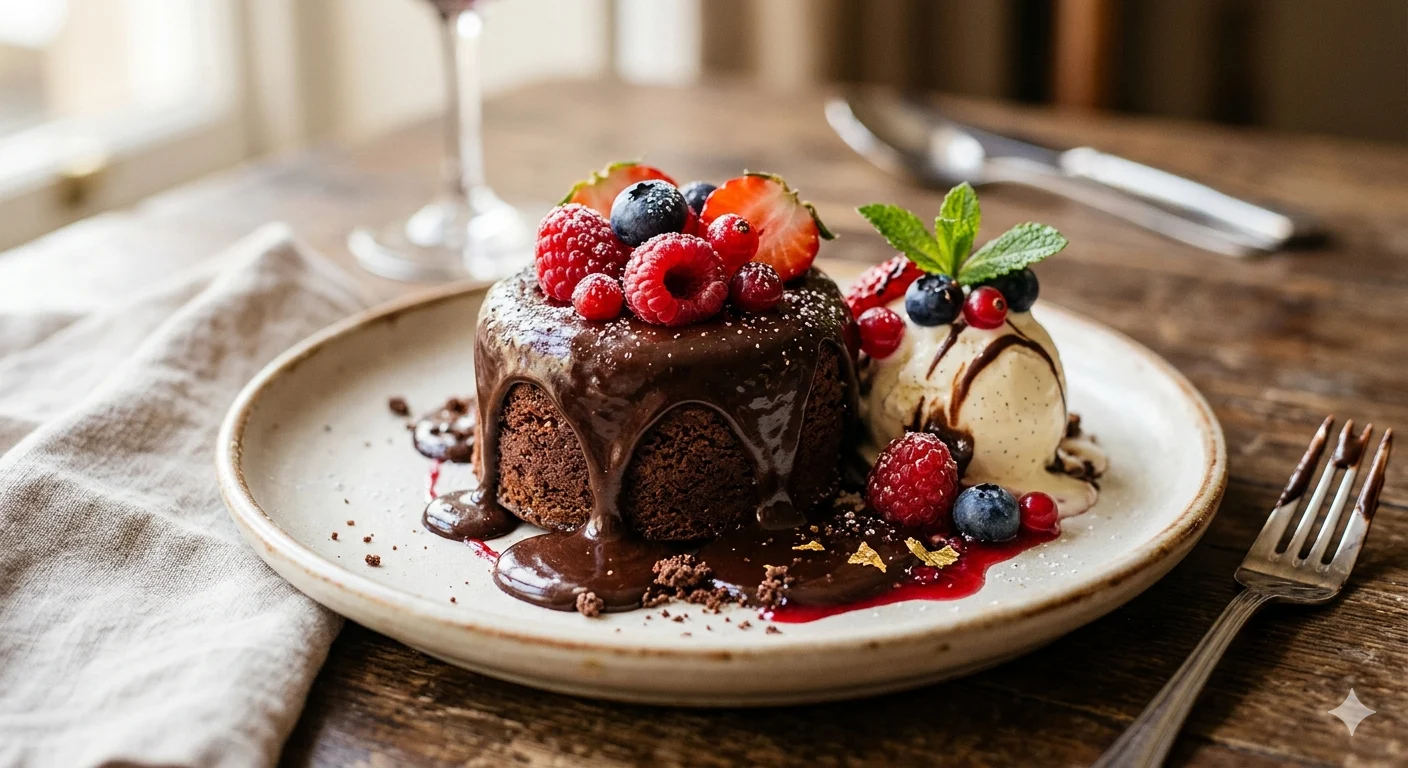
Food feels more than just taste. It carries emotion, memory, and culture. Plain descriptions often fail to capture that richness. A good simile can change everything. It paints a clear picture and makes your reader feel the flavor.
In this guide, you will learn how to use delicious food similes in a simple and natural way. You will see real examples, understand different styles, and learn how to create your own. By the end, you will describe food in a way that feels vivid and memorable.
What does a delicious food simile mean with simple examples
A delicious food simile compares food to something familiar using words like as or like. It helps readers imagine taste, smell, or texture.
Examples:
- The cake tasted as sweet as honey
- The soup felt like a warm hug on a cold day
- The mango was as juicy as ripe nectar
These comparisons make food descriptions easier to understand and more enjoyable to read.
Why food similes make descriptions more vivid and engaging
Food similes bring life to simple words. Instead of saying the dish tasted good, you show how good it felt.
They help readers:
- Picture the taste clearly
- Feel emotions connected to food
- Stay interested in your writing
For example, saying the curry burned like fire on the tongue creates a stronger image than just saying it was spicy.
Easy delicious food similes for beginners with meanings
Start with simple comparisons that people already understand.
Examples:
- As sweet as sugar means very sweet
- Like melted butter means smooth and rich
- As fresh as morning dew means very fresh
- Like a burst of sunshine means bright and flavorful
These work well in everyday writing and feel natural.
Short delicious food similes you can use in daily conversation
Short similes fit perfectly in casual talk.
Examples:
- Sweet as honey
- Soft like cream
- Hot like fire
- Fresh like mint
- Rich like chocolate
Use them in daily speech to sound more expressive.
How to describe sweet food using creative similes
Sweet food often connects with comfort and joy. You can use that feeling in your similes.
Examples:
- The dessert tasted like a childhood memory
- The syrup flowed like golden sunshine
- The pastry felt as soft as a cloud
Think about emotions and pair them with taste.
Similes that capture the taste of spicy and flavorful dishes
Spicy food needs strong and bold comparisons.
Examples:
- The chili hit like a spark of fire
- The sauce burned like hot coals
- The spices danced like fireworks on the tongue
These create energy and excitement in your description.
Delicious food similes for describing desserts and treats
Desserts often feel rich and indulgent.
Examples:
- The cake melted like velvet
- The chocolate flowed like silk
- The ice cream felt as smooth as cream
Focus on softness and richness.
How to write natural food similes without sounding forced
Keep your similes simple and relatable. Avoid complicated comparisons.
Tips:
- Use common experiences
- Match the simile with the food type
- Keep it short and clear
Instead of saying the taste felt like a distant galaxy, say it tasted like fresh fruit on a summer day.
Similes that describe texture in food clearly and simply
Texture matters as much as taste.
Examples:
- Crunchy like dry leaves
- Soft like a pillow
- Chewy like caramel
- Smooth like butter
These help readers imagine how food feels in the mouth.
Creative similes for street food and local dishes
Street food carries bold flavors and strong identity.
Examples:
- The kebab tasted like a smoky dream
- The chaat exploded like a flavor bomb
- The fried snacks crackled like firewood
Use lively comparisons to match the energy of street food.
How to describe aroma using delicious food similes
Smell plays a big role in food experience.
Examples:
- The aroma rose like warm spices in the air
- The bread smelled like comfort from home
- The curry filled the room like a rich perfume
Focus on how the smell spreads and feels.
Delicious food similes for food blogging and reviews
Food bloggers need strong and clear descriptions.
Examples:
- The pasta tasted like a dish from a fine kitchen
- The burger felt like pure comfort on a plate
- The drink refreshed like a cool breeze
Keep your tone honest and descriptive.
Similes that make restaurant descriptions more appealing
Restaurants need inviting language.
Examples:
- The ambiance felt like a cozy evening at home
- The meal arrived like a work of art
- The flavors blended like a perfect melody
These help readers imagine the full experience.
Common mistakes to avoid when writing food similes
Avoid these mistakes to keep your writing strong:
- Using overused phrases too often
- Making comparisons that confuse the reader
- Adding too many similes in one paragraph
- Using unrelated objects
Keep your similes clear and relevant.
How to turn basic food descriptions into powerful similes
Start with a simple sentence and improve it.
Basic: The soup tasted good
Improved: The soup tasted like warmth on a cold evening
Basic: The fruit was sweet
Improved: The fruit was as sweet as honey
Practice this method to improve quickly.
Delicious food similes for storytelling and creative writing
Stories need emotion and detail.
Examples:
- The feast looked like a celebration of colors
- The bread felt like comfort after a long journey
- The meal tasted like hope after hunger
Use similes to build mood and connection.
Similes that compare food taste with everyday experiences
Relatable comparisons work best.
Examples:
- The tea felt like a calm morning
- The snack tasted like a quick burst of joy
- The meal felt like a family gathering
These feel natural and easy to understand.
How to practice writing better food similes step by step
Follow these steps:
- Pick a food item
- Think about its taste, smell, and texture
- Connect it with a familiar experience
- Write a simple comparison
- Refine it for clarity
Practice daily to improve your skill.
Unique and original delicious food similes to stand out
Originality makes your writing memorable.
Examples:
- The sauce wrapped the tongue like a warm scarf
- The dessert sparkled like a festive night
- The flavor lingered like a soft echo
Avoid copying common phrases.
Tips to make your food similes memorable and expressive
Use these tips:
- Keep it simple
- Focus on one strong idea
- Match emotion with taste
- Use sensory details
- Stay natural
Strong similes stay in the reader’s mind.
Conclusion
Delicious food similes turn simple descriptions into vivid experiences. They help readers see, taste, and feel every bite through words. You do not need complex language to write well. You need clear ideas and relatable comparisons.
Practice often and pay attention to real food experiences. Over time, your writing will feel more natural and expressive.
FAQs
What is a food simile
A food simile compares food with something else to describe taste, texture, or smell clearly
Why should I use similes in food writing
Similes make descriptions vivid and help readers imagine the experience
Can I use food similes in daily conversation
Yes you can use short and simple similes in everyday speech
How do I make my similes sound natural
Use common experiences and keep your comparisons simple
What are some examples of sweet food similes
As sweet as honey and like a sugary dream work well
How do I describe spicy food with similes
Use strong comparisons like hot like fire or sharp like a spark
Are food similes useful in blogging
Yes they help make reviews more engaging and descriptive
How many similes should I use in one paragraph
Use one or two strong similes to keep your writing clear
Can I create my own food similes
Yes original similes make your writing stand out
What makes a good food simile
A good simile feels relatable, clear, and matches the food experience
