
Introduction
A day can feel completely different depending on what is happening around you. A sunny morning may feel fresh and hopeful. A busy Monday can seem to disappear before you have finished everything on your list. A rainy afternoon may feel slow and quiet. A special day can stay in your memory for years.
A simple sentence can describe these moments, but a good simile can make the feeling much stronger.
Instead of saying, “It was a beautiful morning,” you could say, “The morning shone like gold.” Instead of saying, “The day went by quickly,” you could write, “The day flew like a bird.”
The second versions give the reader something to picture.
That is why writers use similes when describing a day. They can show light, weather, movement, emotion, time, and atmosphere without explaining every detail.
Day similes are also easy to use. You do not need difficult words or complicated ideas. A familiar image such as sunshine, rain, a river, a blanket, or a bird can be enough to create a strong picture.
In this guide, you will find simple day simile examples for different moods and situations. You will also see examples for mornings, afternoons, evenings, rainy days, busy days, difficult days, and special moments.
Quick Answer
A day simile compares a day, part of a day, or the way time passes with something familiar by using words such as like or as. It can show whether a day feels bright, peaceful, busy, slow, exciting, sad, or beautiful. For example, “The morning shone like gold” creates a clearer picture than simply saying “The morning was bright.” Day similes are useful in stories, poems, school assignments, essays, and everyday conversations because they make simple descriptions easier to picture and more interesting to read.
What Is a Day Simile in Simple Words?
A day simile is a comparison that describes a day or a part of a day by comparing it with something else. Most similes use like or as.
For example:
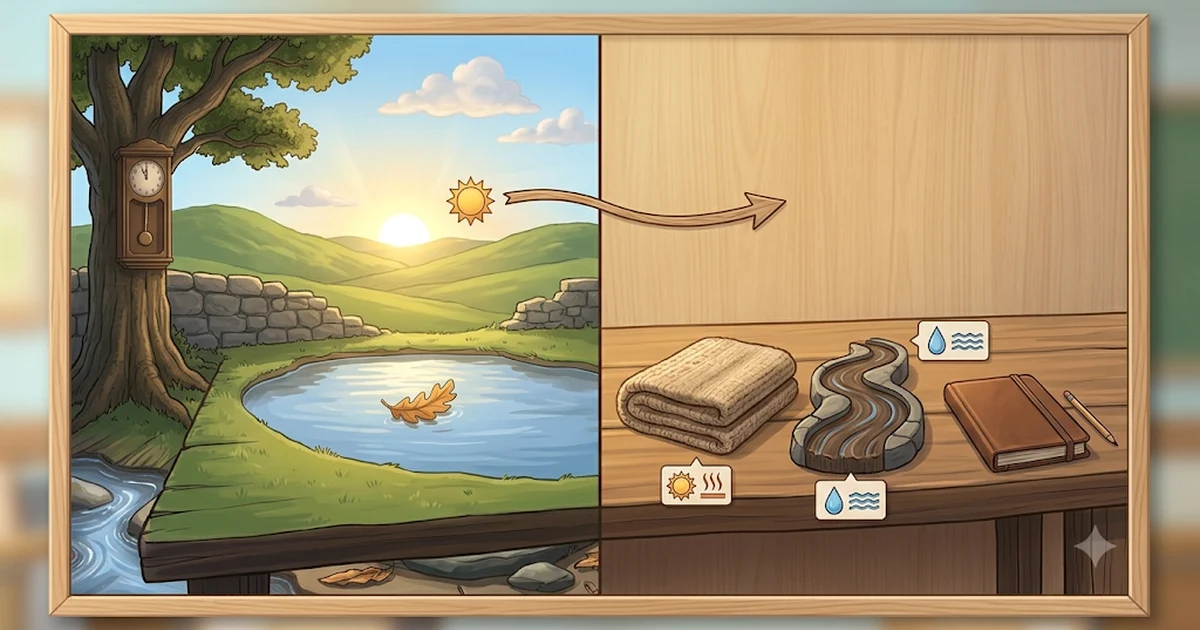
- The day felt like a warm blanket.
- The morning shone like gold.
- The afternoon was as quiet as a sleeping village.
- The hours flew like birds.
The comparison gives the reader a stronger mental picture.
“The day was calm” tells us how the day felt.
“The day felt like a calm lake” gives us an image of still water and quiet surroundings.
That is what makes a simile useful. It connects an idea with something the reader already knows.
Why Writers Use Day Similes
Writers use day similes because they make ordinary descriptions more vivid.
Compare these two sentences:
Plain:
The morning was bright.
With a simile:
The morning was as bright as the rising sun.
The second sentence gives the reader a clearer picture.
Similes can also change the mood of a scene. A comparison with sunshine can make a moment feel cheerful, while a comparison with heavy clouds can make it feel sad or tense.
Day similes can help describe:
- Brightness
- Weather
- Temperature
- Mood
- Speed
- Peace
- Energy
- Beauty
- Hope
- Sadness
- Time passing
The Best Day Similes at a Glance
Here are some simple day similes you can use when you need a quick idea.
| Day simile | What it describes |
|---|---|
| Like a warm blanket | Comfort |
| Like a calm lake | Peace |
| Like golden sunlight | Beauty and warmth |
| Like a rushing train | A busy day |
| Like a bird in flight | Time passing quickly |
| Like a slow river | A slow day |
| Like a fresh spring morning | A new beginning |
| Like a gray blanket | A cloudy or gloomy day |
| Like a warm hug | Happiness and comfort |
| Like a fading photograph | A day coming to an end |
| Like a storybook | An interesting day |
| Like a storm | A difficult day |
| Like a bright window | Hope and light |
| Like a quiet breeze | Calmness |
| Like a melting candle | Time slowly passing |
Easy Day Simile Examples With Meanings
As bright as the morning sun
Meaning: Describes a day that is full of light, happiness, or positive energy.
Example:
The day was as bright as the morning sun.
As fresh as a spring morning
Meaning: Describes something that feels new, clean, pleasant, or full of promise.
Example:
The new school year felt as fresh as a spring morning.
As golden as sunrise
Meaning: Suggests warmth, beauty, and a peaceful beginning.
Example:
The fields looked as golden as sunrise.
As calm as early morning
Meaning: Describes a quiet and peaceful atmosphere.
Example:
The neighborhood was as calm as early morning.
As warm as a sunny day
Meaning: Can describe physical warmth or a feeling of comfort and kindness.
Example:
Her welcome was as warm as a sunny day.
As clear as day
Meaning: Something is obvious or easy to understand.
Example:
The answer was as clear as day.
As peaceful as a quiet afternoon
Meaning: Describes a relaxed moment with little noise or activity.
Example:
The garden was as peaceful as a quiet afternoon.
As lively as a summer day
Meaning: Shows energy, movement, happiness, and activity.
Example:
The town was as lively as a summer day.
As hopeful as a new day
Meaning: Represents a fresh opportunity or positive beginning.
Example:
After the difficult week, she felt as hopeful as a new day.
As slow as a lazy day
Meaning: Describes something that moves without urgency.
Example:
The afternoon passed as slowly as a lazy day.
Day Similes for Morning
Morning often represents a fresh start, so it works well with comparisons involving light, flowers, fresh air, and new beginnings.

Examples:
- The morning opened like a flower.
- The sunrise spread like melted gold across the sky.
- The morning felt like a fresh start.
- The sunlight spilled across the room like honey.
- The sky looked like a painting coming to life.
- The morning was as fresh as a spring breeze.
- The first light appeared like a soft candle in the distance.
- The day began like a new chapter.
These examples work especially well in stories, poems, and descriptive essays.
Day Similes for Afternoon
Afternoons can feel energetic, peaceful, hot, busy, or slow depending on the setting.
Try these:
- The afternoon stretched like a long road.
- The sunlight rested on the fields like a golden blanket.
- The afternoon moved like a slow river.
- The streets buzzed like a busy market.
- The heat hung over the town like a heavy blanket.
- The afternoon felt like a quiet pause between two busy moments.
- The hours passed like clouds drifting across the sky.
Day Similes for Evening and Sunset
Evening brings a natural change from light to darkness. It can create peaceful, romantic, sad, or reflective feelings.
Examples:
- The sunset spread like fire across the sky.
- The evening sky glowed like melted copper.
- The sun sank like a golden coin behind the hills.
- The evening arrived like a quiet visitor.
- The daylight faded like a candle going out.
- The sunset looked like paint across the horizon.
- The evening settled over the town like a soft blanket.
- The last light disappeared like a fading dream.
These comparisons are useful when a story moves from daytime into night.
Day Similes for Bright and Sunny Days
Sunny days are often connected with happiness, energy, and warmth.
Examples:
- The day sparkled like fresh dew.
- The sunlight spread like honey across the fields.
- The sky was as bright as polished glass.
- The day glowed like a summer afternoon.
- The sunlight wrapped around us like a warm scarf.
- The morning shone like a golden coin.
- The whole town looked like it had been washed in sunlight.
Day Similes for Rainy and Cloudy Days
Rain and clouds can give a day a quiet, cozy, or gloomy feeling.
Examples:
- The sky looked like a gray blanket.
- The rain fell like silver strings.
- The drops tapped on the window like tiny fingers.
- The clouds gathered like dark mountains.
- The day felt like a quiet room during a storm.
- The rain covered the streets like a thin curtain.
- The afternoon looked like a faded photograph.
These examples can describe both the weather and the mood of the scene.
Day Similes for Cold Winter Days
Cold days can feel sharp, quiet, empty, or beautiful.
Examples:
- The morning was as cold as a metal rail.
- The wind cut through the streets like a knife.
- The day felt like a frozen lake.
- The winter sky looked like pale glass.
- The air was as sharp as ice.
- The streets were as quiet as an empty field.
Use these when you want the reader to feel the cold instead of simply being told that it is cold.
Day Similes for Warm and Happy Days
Warm days often bring feelings of comfort and happiness.

Examples:
- The day felt like a warm hug.
- The sunshine wrapped around me like a soft scarf.
- The afternoon felt like a summer vacation.
- Her smile was as bright as sunshine.
- The day glowed like a happy memory.
- The whole morning felt like a fresh beginning.
Day Similes for Calm and Peaceful Moments
Some days feel slow and gentle.
For these moments, try:
- The day moved like a quiet breeze.
- The hours passed like soft music.
- The afternoon rested like a sleeping cat.
- The day felt like a calm lake.
- The morning was as quiet as an empty street.
- The evening settled like a soft blanket.
- Time moved like water flowing through a peaceful stream.
Day Similes for Busy and Hectic Days
A busy day can feel as if everything is happening at once.
Examples:
- The day rushed like a crowded train.
- The hours flew like racing cars.
- My schedule spun like a wheel.
- The morning moved like a machine that never stopped.
- The day ran like a race.
- The hours disappeared like coins through a slot.
- The office buzzed like a busy marketplace.
These comparisons work well when writing about school, work, shopping, travel, or a packed schedule.
Day Similes for Time Passing Quickly
Some days seem to disappear before you know it.
Examples:
- The day flew like a bird.
- The hours slipped away like sand through my fingers.
- The afternoon passed like a blink.
- The day disappeared like melting ice.
- Time moved like a fast train.
- The weekend vanished like a passing cloud.
- The day went by like a dream.
These are especially useful when describing vacations, weekends, holidays, or special events.
Day Similes for Long and Boring Days
Not every day moves quickly. Some seem to last forever.
Examples:
- The day dragged like a broken clock.
- The hours crawled like a tired snail.
- The afternoon moved like a sleepy turtle.
- The morning stretched like a road with no end.
- The day felt like a clock that had stopped.
- The afternoon passed like a boring lecture.
- The hours moved as slowly as cold syrup.
These can add humor as well as meaning.
Day Similes for Difficult or Bad Days
A difficult day can feel heavy, endless, or stressful.

Examples:
- The day felt like a storm that would not end.
- The hours hung over me like heavy clouds.
- The day dragged like a heavy suitcase.
- The morning began like a warning bell.
- The afternoon felt like a road full of potholes.
- The day moved like a train stuck in a tunnel.
- The evening fell like a dark curtain.
These comparisons help show emotional pressure without simply saying, “I had a bad day.”
Day Similes for Beautiful and Perfect Days
Some days feel so good that they seem almost unreal.
Examples:
- The day was like a picture-perfect postcard.
- The morning felt like a dream.
- The day shone like a polished jewel.
- The afternoon was as beautiful as a garden in spring.
- The day unfolded like a favorite story.
- The whole afternoon felt like a little piece of summer.
- The day glowed like a treasured memory.
Day Similes for Exciting Days
An exciting day can feel fast, loud, and full of surprises.
Examples:
- The day raced like a roller coaster.
- The hours flew like fireworks.
- The morning burst into action like a starting gun.
- The day jumped from one surprise to another like a bouncing ball.
- The afternoon moved like a speeding train.
- The whole day felt like an adventure book.
Day Similes for Memorable and Special Days
Some days stay in our minds long after they are over.
Examples:
- The day stayed in my memory like an old photograph.
- The moment felt like a page from a storybook.
- The day shone like a precious memory.
- The afternoon remained in my mind like a favorite song.
- The day felt like a chapter I never wanted to end.
- That birthday stayed with me like a song I could not forget.
Day Similes for Ordinary Days
A simile does not have to describe something dramatic. You can also use one to make an ordinary day more interesting.
Examples:
- The day moved like a quiet stream.
- The morning passed like a familiar song.
- The afternoon rolled by like a slow wheel.
- The day felt like another page in a book.
- The hours followed one another like passing clouds.
Creative Day Similes for Storytelling
Creative writing gives you more freedom to make unusual comparisons, as long as the image still makes sense.

Try these:
- The day unfolded like a storybook.
- The hours danced like leaves in the wind.
- The morning opened like a flower.
- The day stretched like a lazy cat in the sun.
- The afternoon faded like an old photograph.
- The evening arrived like a quiet visitor.
- The day slipped away like a dream.
These examples give a scene more personality without making the writing difficult to understand.
Short Day Similes for Daily Conversations
You do not always need a complete poetic sentence. Short comparisons can work well in everyday speech.
Examples:
- Busy like a market day
- Bright like noon
- Calm like early morning
- Fast like a blink
- Warm like sunshine
- Slow like a Sunday morning
- Fresh like spring
- Clear as day
- Quiet as dawn
These are simple enough to use in casual conversations.
Day Similes for School Writing and Assignments
Students can use day similes to make essays and descriptive writing more interesting.
Examples:
- The day was as bright as a lamp.
- The morning felt like a fresh start.
- The day moved like a ticking clock.
- The afternoon was as peaceful as a quiet garden.
- The sun shone like a golden ball.
- The hours passed like flowing water.
- The sky looked like a giant blue blanket.
- The evening faded like a soft painting.
When writing for school, choose comparisons that are easy to understand and clearly connected to the subject.
How to Choose the Right Day Simile
The easiest way to choose a good simile is to first decide what you want the read.
If you want to show happiness, think about sunshine, flowers, celebrations, or warm hugs.
If you want to show a difficult day, think about storms, heavy bags, traffic, or long roads.
The best comparison is usually the one that matches the feeling most clearly.
How to Create Your Own Day Similes
Creating your own day simile is simple.

Step 1: Decide how the day feels
Ask yourself:
Is it bright, calm, busy, slow, sad, exciting, cold, warm, or peaceful?
Step 2: Find something with the same quality
For example:
Calm day → calm lake
Busy day → crowded train
Bright day → morning sun
Slow day → lazy turtle
Step 3: Connect the two ideas
Use like or as.
For example:
The day felt like a calm lake.
Or:
The day was as bright as the morning sun.
Step 4: Read it out loud
If the comparison sounds strange when you say it, change it.
A good simile should feel natural rather than forced.
How to Use Day Similes Without Sounding Forced
Keep your comparison simple.
Choose something the reader can picture easily. Make sure it fits the mood of the scene. Do not add a simile just because you can.
For example:
Natural:
The day felt like a calm lake.
Less natural:
The day felt like a complicated machine filled with endless moving parts.
The first example creates a clear image without making the reader work to understand it.
Also, avoid filling every sentence with a comparison. One strong simile can do more than five weak ones.
Common Mistakes When Writing Day Similes
Using an unclear comparison
The reader should understand the connection between the two things.
Adding too many similes
Too many comparisons can make a paragraph feel crowded.
Choosing the wrong mood
A cheerful comparison may not fit a sad scene unless you are using it on purpose.
Making the comparison too complicated
Simple images are often easier to understand and remember.
Using a simile that adds nothing
A comparison should help the reader understand the scene, feeling, or action better.
Simile vs Metaphor for Describing a Day
Similes and metaphors both make comparisons, but they do it differently.
A simile usually uses “like” or “as.”
Simile:
The day felt like a warm blanket.
A metaphor makes the comparison directly.
Metaphor:
The day was a warm blanket.
Both can make writing more vivid. The main difference is the way the comparison is presented.
How “Like” and “As” Work in Day Similes
Both like and as can be used to create similes, but they usually appear in different sentence patterns.
With like:
The day moved like a slow river.
With as:
The day was as bright as the morning sun.
You can also use both styles to avoid repeating the same sentence pattern throughout your writing.
Instead of writing:
The day was as bright as…
The day was as warm as…
The day was as calm as…
mix them with:
The day glowed like…
The morning moved like…
The afternoon felt like…
This makes your writing sound more natural.
Real-Life Examples of Day Similes in Sentences
Here are some natural examples:
- The day felt like a warm hug after a long week.
- My morning rushed like a train that never stopped.
- The afternoon rested like a quiet village.
- The day slipped away like melting ice.
- The morning was as fresh as a spring morning.
- The streets were as lively as a summer day.
- The sky looked like a gray blanket before the storm.
- The evening faded like an old photograph.
- The hours flew like birds while we were on vacation.
- The whole day felt as peaceful as early morning.
- The day dragged like a broken clock.
- The sunset spread like fire across the horizon.
- The morning opened like a new chapter.
- The busy afternoon passed like a speeding train.
- The rainy day felt like a quiet song.
Conclusion
Day similes can turn an ordinary description into something readers can picture and feel. A bright morning can shine like gold, a peaceful afternoon can feel like a calm lake, and a busy day can rush like a crowded train.

You can also use similes to describe rainy days, difficult days, special moments, long afternoons, quick weekends, and beautiful sunsets.
The main thing is to choose a comparison that fits the feeling you want to create. Keep it clear and natural. You do not need complicated words to make a strong image.
A simple formula can help:
Feeling + familiar image + like or as = a strong day simile
For example:
Calm + lake + like = The day felt like a calm lake.
With a little practice, even a simple day can become a memorable picture in the reader’s mind.
FAQ
What is a good simile for a day?
A good day simile depends on what you want to describe. “The day felt like a warm blanket” works for comfort, while “The day flew like a bird” shows that time passed quickly.
What is a simile for a beautiful day?
You could say, “The day shone like a polished jewel” or “The morning glowed like golden sunlight.”
What is a simile for a sunny day?
“The day was as bright as the morning sun” is a simple choice. You could also write, “The sunlight spread like honey across the fields.”
What is a simile for a busy day?
“The day rushed like a crowded train” is a clear way to describe a busy and stressful schedule.
What is a simile for a bad day?
“The day felt like a storm that would not end” can describe a difficult or stressful day.
What is a simile for a peaceful day?
“The day felt like a calm lake” is a simple simile for a quiet and peaceful day.
What is a simile for a long day?
“The day dragged like a broken clock” can show that the hours seemed to move very slowly.
What is a simile for a perfect day?
“The day was like a picture-perfect postcard” can describe a day that feels beautiful and enjoyable.
What is a simile for a rainy day?
“The sky looked like a gray blanket” or “The rain fell like silver strings” can describe a rainy day.
What is a simile for a day passing quickly?
“The day flew like a bird” is a simple example. Another option is “The hours slipped away like sand through my fingers.”
Can day similes be used in school writing?
Yes. They can make essays, stories, poems, and descriptive assignments more interesting. Simple comparisons are usually best for school writing.
Can I use day similes in everyday conversation?
Yes. Short expressions such as “busy like a market day,” “clear as day,” and “slow like a Sunday morning” can sound natural in casual conversation.
How do I create my own day simile?
First decide how the day feels. Then choose something with the same quality and connect the two ideas with “like” or “as.”
How many similes should I use in one paragraph?
There is no fixed number, but one or two strong similes are often enough. Using too many can make the writing feel crowded.
