
Introduction
Death is not easy to describe.
The words “he died” or “she passed away” tell the reader what happened, but they do not always show what the moment felt like. A writer may want to describe the silence in a room, the shock of sudden loss, the peacefulness of a final moment, or the emptiness left behind. That is where a well-chosen simile can help.
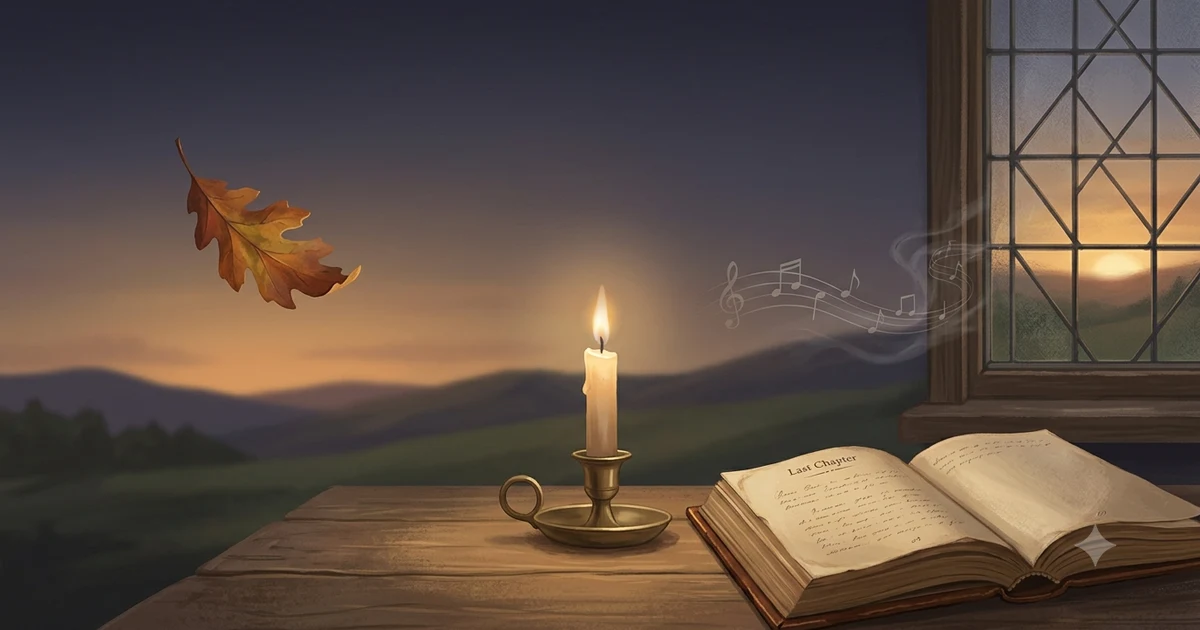
A death simile connects death with something readers already know. A candle going dark can represent a life ending. A leaf falling can suggest the natural cycle of life. A song fading into silence can represent a person’s final moments or the loss of their presence.
The comparison gives the reader something to picture.
Death similes can also change depending on the situation. A peaceful death may be compared to falling snow or a setting sun. A sudden death may be compared to a light switching off. Grief may feel like an empty house or a sky without stars. These differences matter because the right image should match the emotion of the scene.
In this guide, you will find death similes for stories, poems, essays, school writing, emotional scenes, peaceful endings, sudden deaths, grief, and more. You will also learn how to create original comparisons without making your writing sound forced.
Quick Answer
A death simile compares death, dying, or the end of life to something familiar by using words such as “like” or “as.” These comparisons help writers describe difficult emotions without relying on plain statements. For example, “His life faded like the last light of sunset” suggests a slow and peaceful ending, while “Her life ended like a candle blown out by the wind” suggests something sudden. Death similes can express grief, fear, peace, acceptance, emptiness, and finality in stories, poems, essays, and personal writing.
What Is a Death Simile?
A death simile is a comparison that describes death, dying, or the end of life by using “like” or “as.”
For example:
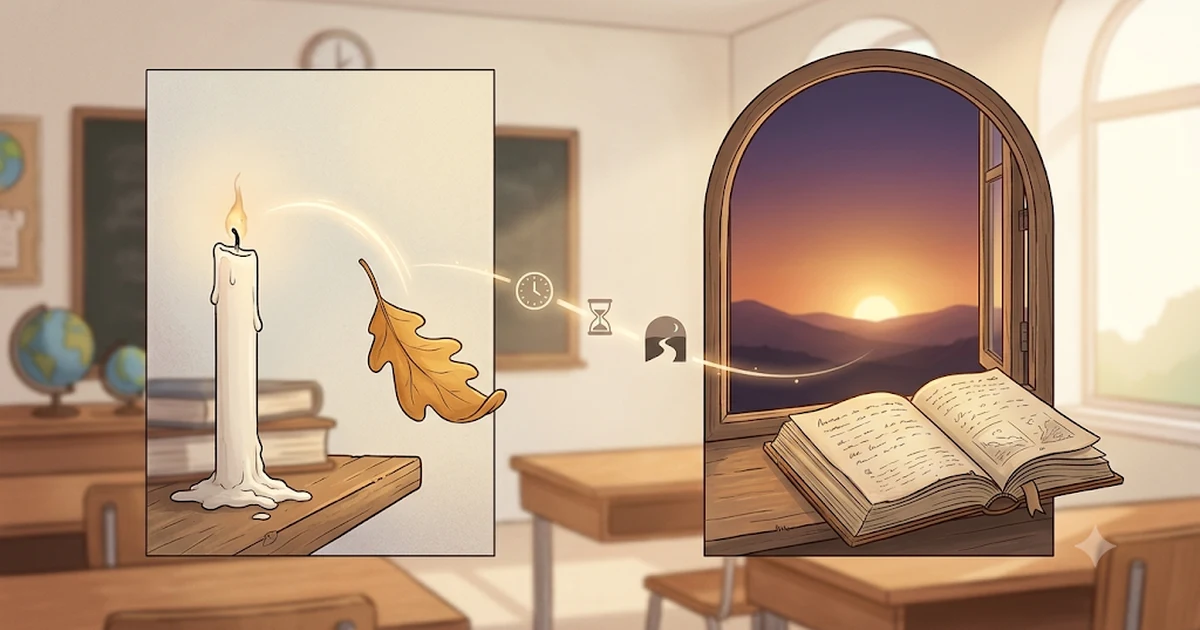
- His life faded like a candle going out.
- Her final moments were as quiet as falling snow.
- His passing was like a leaf drifting from a tree.
- The room became as still as a frozen pond.
The comparison makes an abstract idea easier to imagine. Instead of simply telling readers that someone died, the writer gives them an image that carries emotion.
Death similes can focus on the death itself, the process of dying, or the feelings experienced by those who remain. Some suggest peace and acceptance. Others create fear, sadness, shock, or loneliness.
The important thing is to choose an image that fits the situation.
Death Similes for Peaceful Passing
Not every death scene needs dark or frightening imagery. Sometimes a writer wants to show that someone passed peacefully after a long life.
These comparisons work well for that purpose:
- Like a candle quietly going out
- As gentle as a falling leaf
- As peaceful as snow settling on the ground
- Like a river finally reaching the sea
- Like the last light of sunset
- Like a song ending on a soft final note
For example:
Her life ended as gently as a leaf settling onto the ground.
The image feels calm rather than frightening. It suggests that the ending was natural and quiet.
Death Similes for Sudden Death
A sudden death needs a sharper image. Comparisons that suggest something stopping instantly can create that effect.
Examples include:
- Like a light switched off without warning
- Like a thread suddenly snapping
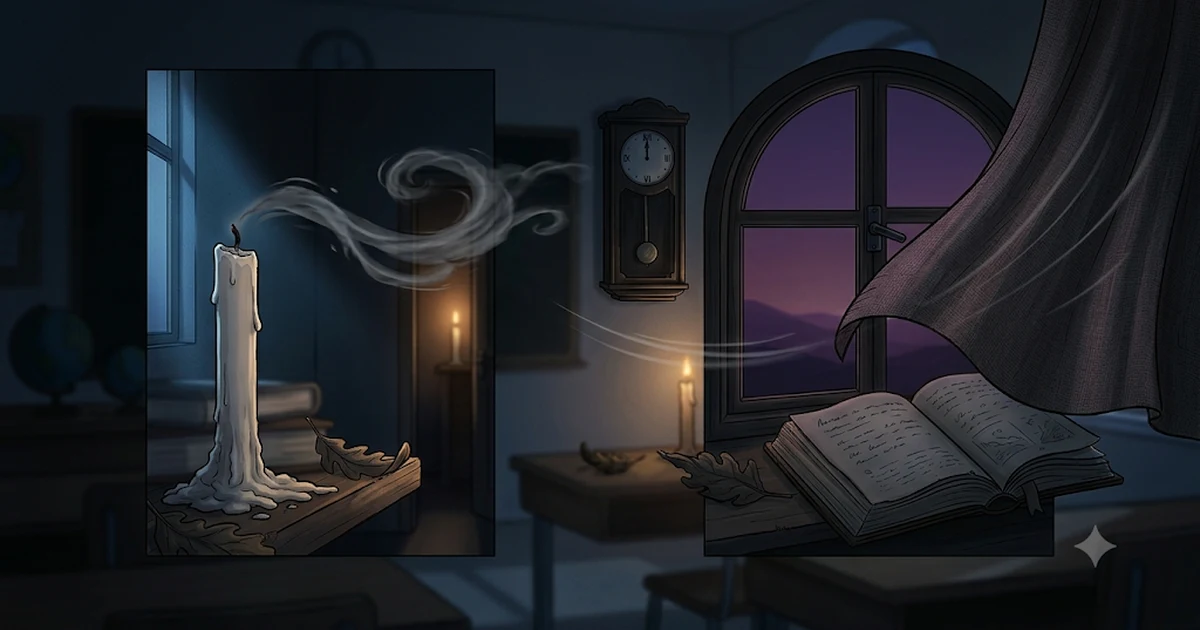
- Like a candle blown out by a sudden gust
- Like a song stopping in the middle of a note
- Like a door closing without warning
- Like a clock suddenly falling silent
Example:
His life ended like a light switching off in an empty room.
The reader immediately gets a sense of how quickly everything changed.
Death Similes for a Slow or Fading Death
When a character’s life slowly weakens, the comparison should show gradual change.
Good examples include:
- Like a candle burning down to its last flame
- Like a flower wilting beneath the summer sun
- Like autumn leaves losing their color
- Like the final light fading from the sky
- Like embers slowly losing their warmth
- Like a breath becoming weaker with every moment
Example:
Her strength faded like the last light disappearing beyond the hills.
This type of imagery focuses on the process rather than the final moment.
Death Similes for Grief and Losing Someone
Death does not only affect the person who dies. It changes the people who remain.
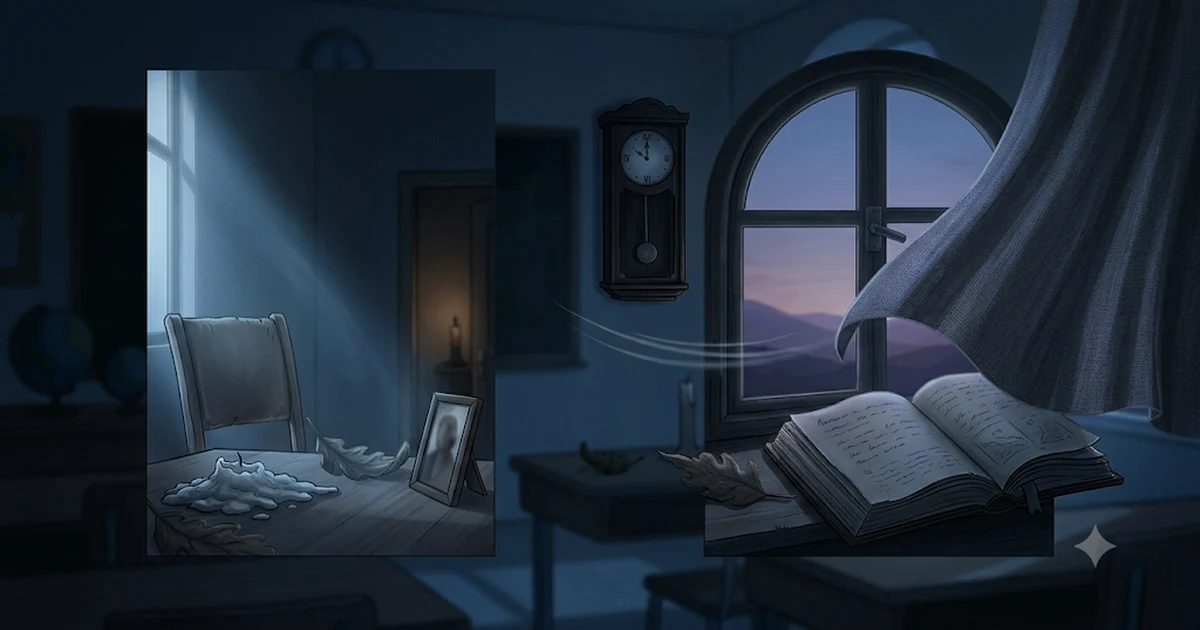
Sometimes the strongest simile describes the emptiness that follows.
Examples:
- Like a house suddenly losing all its voices
- Like a sky without stars
- Like an empty chair at a familiar table
- Like an echo that never returns
- Like losing the sun on the coldest day of winter
- As hollow as an abandoned home
For example:
After her death, the house felt like an empty stage after the final performance.
This does not describe death itself. It describes the absence created by death, which can be just as important in emotional writing.
Death Similes That Show Emptiness and Loss
Grief can make familiar places feel strange. A room may look exactly the same, but the person who filled it is gone.
These similes can capture that feeling:
The bedroom felt as empty as a sky without stars.
His favorite chair sat like a forgotten boat in an empty harbor.
Her absence hung over the family like a cloud that refused to move.
These comparisons work especially well in stories where the writer wants to focus on the people left behind.
Death Similes That Show the Natural Cycle of Life
Nature gives writers many ways to describe death without making it seem unnatural or frightening.
Leaves fall. Flowers wilt. Rivers reach the sea. Day turns into night. Seasons change.
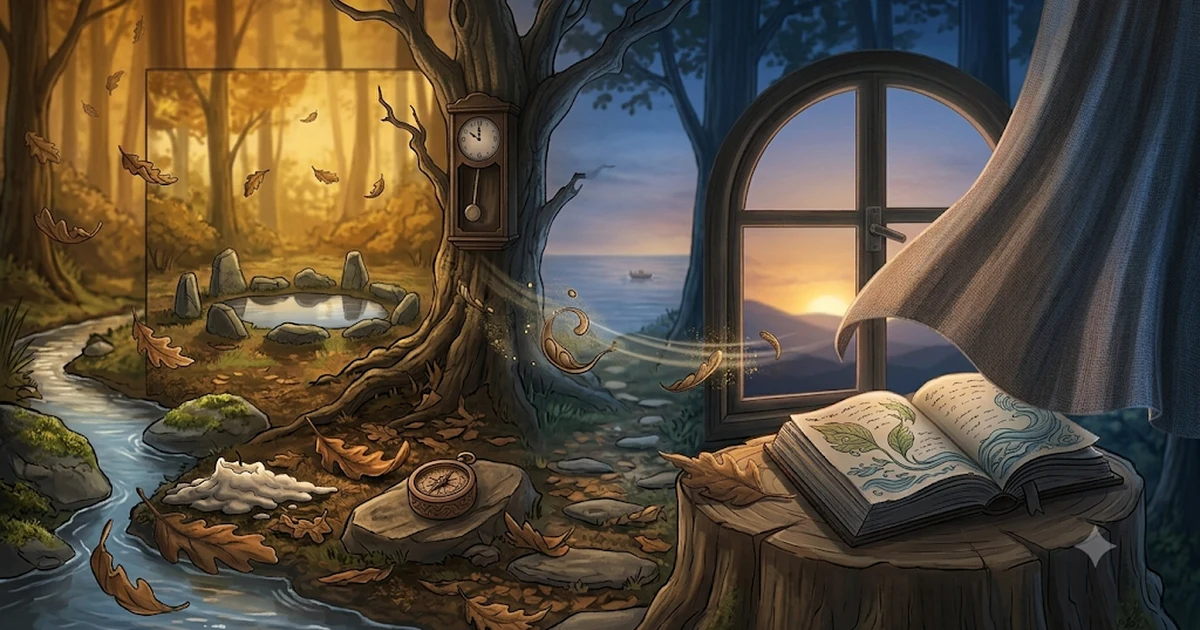
These natural processes can symbolize the end of life.
Examples:
- Like a leaf falling back to the earth
- Like a river reaching the sea
- Like autumn giving way to winter
- Like daylight fading into evening
- Like a flower returning to the soil
- Like a wave settling back into the ocean
Example:
His life ended like a river reaching the sea after a long journey.
This comparison suggests completion rather than sudden loss.
Spiritual and Reflective Death Similes
Writers sometimes use gentle spiritual or reflective images when describing death. These comparisons can suggest a journey, release, or movement into the unknown.
Examples:
- Like a traveler leaving for a distant land
- Like a soul returning home
- Like a door opening into an unknown room
- Like a ship sailing beyond the horizon
- Like a journey continuing beyond the visible road
For example:
Her passing felt like a traveler leaving quietly for a place no one else could follow.
These images are best used carefully. Different readers have different beliefs about death, so literary writing should make it clear that the comparison is symbolic rather than a statement of fact.
Easy Death Similes for Students
Students often need simple similes that are easy to understand and use in school writing.
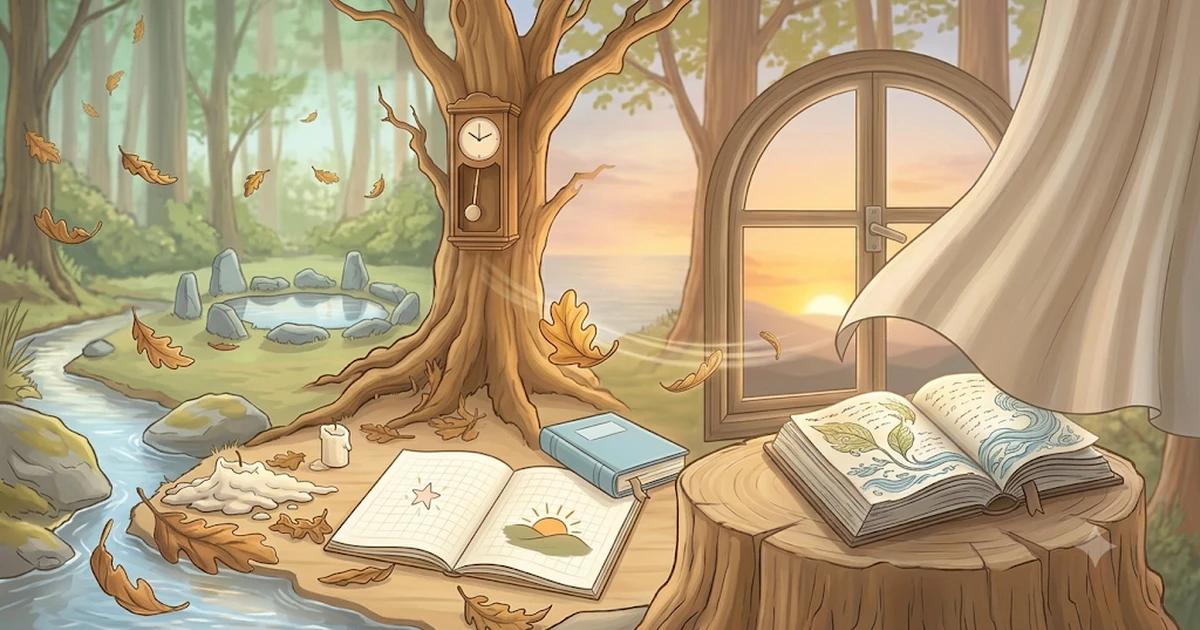
Here are some straightforward examples:
- Like a candle going out
- Like a leaf falling from a tree
- Like a star fading from the sky
- Like a book closing
- Like a song fading into silence
- As quiet as falling snow
- As still as a stone
- Like a shadow disappearing at dusk
Example:
The old man’s life ended like a candle going out.
The sentence is simple, but the image is easy to understand.
Death Similes for Essays and School Writing
Formal school writing usually benefits from clear imagery rather than overly dramatic language.
Good examples include:
- Death can be like a final page closing a long story.
- Life can be as fleeting as a shooting star.
- Death may arrive like winter following autumn.
- A person’s final moments can be as quiet as falling snow.
- The end of life can be compared to a river reaching its destination.
For example:
In literature, death is sometimes presented like the final page of a book, marking the end of one story while leaving its meaning behind.
This kind of sentence can fit naturally into an essay about literature, symbolism, or human life.
Short Death Similes for Everyday Writing
Short comparisons are useful when you do not need a long poetic description.
- Like a fading flame
- Like a falling leaf
- Like a closing book
- Like a fading star
- Like a final note
- As quiet as a grave
- As still as stone
- Like a shadow at dusk
These are simple enough to fit into short sentences without making the writing feel overly dramatic.
Death Similes for Poetry
Poetry gives writers more freedom to use symbolic and emotional comparisons.
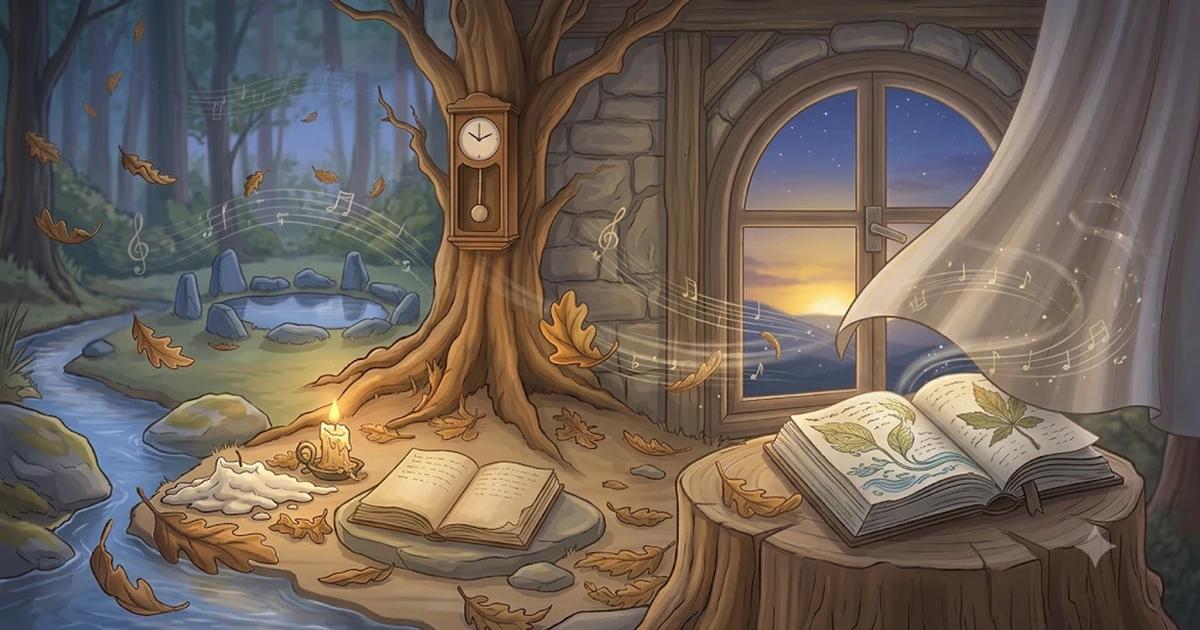
Try these:
- Like autumn leaves falling without a sound
- Like moonlight disappearing before dawn
- As pale as winter light
- Like waves dissolving into the shore
- Like a distant star losing its glow
- Like the final note of a forgotten song
- Like mist disappearing beneath the morning sun
Example:
He left the world like winter light fading behind a distant hill.
The image leaves room for emotion without explaining everything directly.
Death Similes for Fiction Writing
In fiction, the best simile depends on the character and the scene.
A peaceful character’s death might be described this way:
Her life slipped away like a leaf floating gently to the ground.
A frightening scene might use something darker:
The room became as cold and still as an abandoned grave.
A sudden death might be described as:
His life disappeared like a flame caught by the wind.
A reflective ending could be:
His journey ended like a river finally meeting the sea.
The same idea can feel completely different when the comparison changes.
Death Similes for Fear and Final Moments
Death scenes do not always need to be peaceful. A writer may want to create tension or fear.
These comparisons can help:
- Like footsteps fading down a dark hallway
- Like a trapped animal searching for an escape
- As tense as a final breath
- Like a door slowly closing in the dark
- Like a shadow moving closer
- Like the last second before a clock stops
Example:
Fear followed him like footsteps echoing through an empty hallway.
Notice that this simile describes the fear surrounding death rather than claiming that death itself is frightening.
Death Similes for Finality
Sometimes the main idea is that something has ended and cannot be brought back.
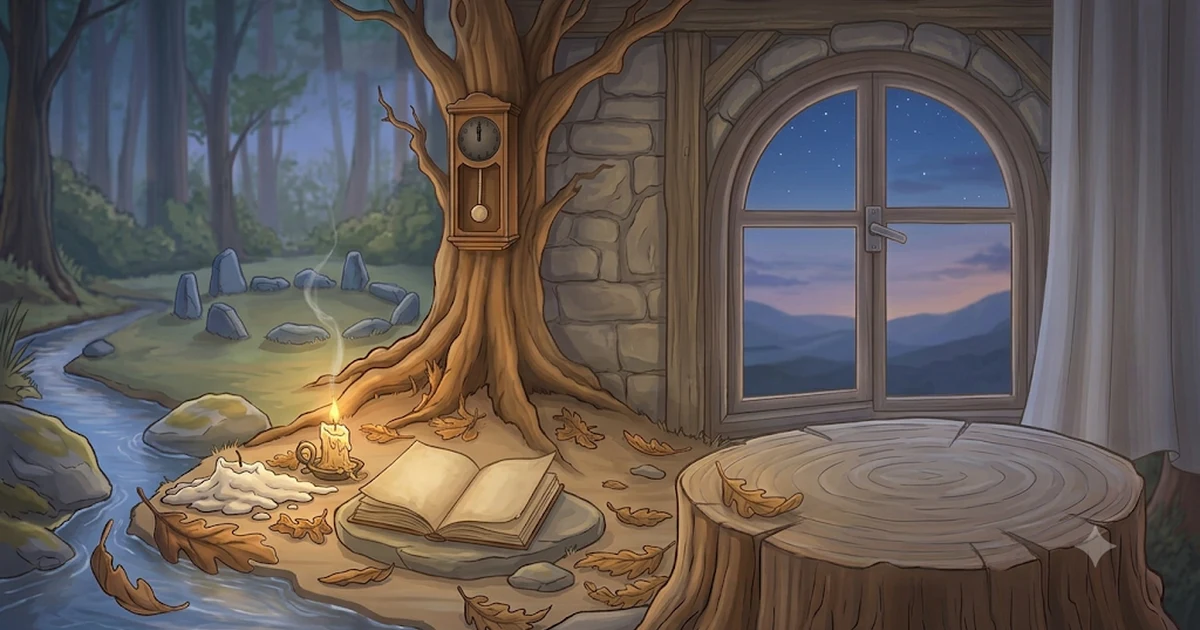
These images work well:
- Like a book closing after its final chapter
- Like a door shutting for the last time
- Like a clock reaching its final second
- Like a road ending at the edge of the sea
- Like a song reaching its final note
Example:
Her story ended like a book closing after its final chapter.
This gives the reader a clear sense of completion.
Death Similes About Time
Time is closely connected with mortality, which makes it a useful source of imagery.
Examples:
- Like an hourglass running empty
- Like a clock slowly running out of time
- Like a sunset moving toward darkness
- Like a calendar losing its final pages
- Like a watch whose ticking has stopped
Example:
His life passed like sand slipping through an hourglass.
This focuses more on the limited nature of life than on the physical act of dying.
Death Similes Using Light and Darkness
Light is one of the most common images in writing about life and death.
Examples:
- Like a candle going dark
- Like sunlight fading at sunset
- Like a star disappearing before dawn
- Like a lamp losing its glow
- Like the last light leaving a room
- Like dawn being swallowed by night
Example:
Her presence faded like the last light leaving the room.
Light-based comparisons can suggest hope, life, memory, or loss depending on the context.
Death Similes Using Music
Music is another useful way to describe an ending.
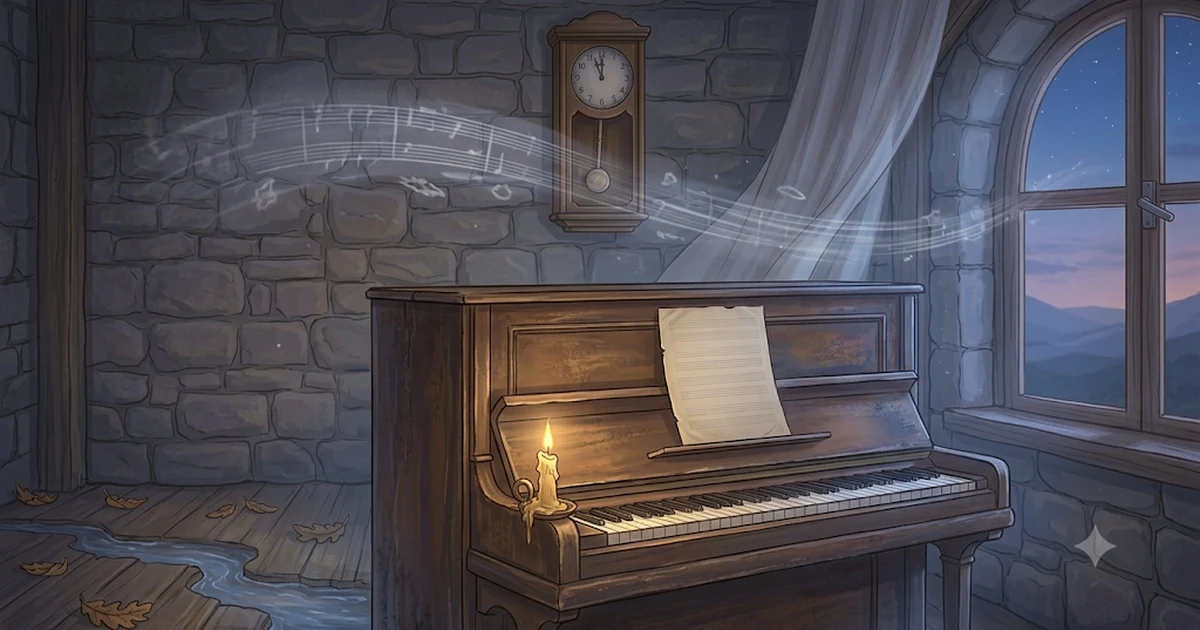
Examples:
- Like a melody fading into silence
- Like a song reaching its final note
- Like music drifting into the distance
- Like an instrument falling silent
- Like an unfinished song
Example:
His life ended like a beautiful melody fading into silence.
This works particularly well in poetry and reflective writing.
How to Describe Death Without Saying “Died”
Sometimes writers want to avoid repeating the word “died.” Similes can help, but it is important to understand that not every figurative expression is technically a simile.
For example:
- His life came to an end.
- She slipped away peacefully.
- His final breath left him quietly.
- Her journey had reached its end.
- He faded away in the night.
- Her story came to its final page.
Now compare those with actual similes:
- His life ended like a candle going out.
- She slipped away like a leaf carried by the wind.
- His journey ended like a river reaching the sea.
The first group contains figurative or indirect expressions. The second group clearly makes comparisons, so they are similes.
This distinction is useful when writing a school assignment about figures of speech.
Common Symbols Used in Death Similes
Certain images appear frequently because they naturally suggest endings or change.
| Image | What It Can Suggest |
|---|---|
| Candle | Life ending or fading |
| Falling leaf | Natural death and life’s cycle |
| Sunset | Completion and finality |
| Fading star | Loss and disappearance |
| Closed book | The end of a life story |
| Fading song | A life or presence disappearing |
| River reaching the sea | Completion of a journey |
| Empty room | Absence and grief |
| Shadow disappearing | Gradual fading |
| Empty hourglass | Time running out |
These symbols are not fixed rules. Their meaning can change depending on the story.
Death Similes vs Metaphors
A simile and a metaphor both create comparisons, but they are written differently.
A simile usually uses “like” or “as.”
Simile:
His life faded like the last light of sunset.
A metaphor makes the comparison directly.
Metaphor:
His life was the last light of sunset.
Both can create strong imagery. A simile simply makes the comparison more obvious.
Death Similes vs Personification
Personification is another literary device that can appear in writing about death.
A simile compares two things:
Death came like a cold winter wind.
Personification gives death a human quality:
Death knocked quietly at the door.
They can also appear together:
Death moved like a silent stranger through the empty house.
Here, “like a silent stranger” creates the simile, while presenting death as something that can move like a person adds personification.
How to Make a Common Death Simile More Original
You do not always need a completely new idea. Sometimes you can take a familiar comparison and add one specific detail.
Basic:
His life ended like a candle going out.
More detailed:
His life ended like the last candle in an empty house going dark.
Basic:
She faded like a star.
More detailed:
She faded like a distant star disappearing behind the morning clouds.
The added detail gives the image a setting and mood.
How to Write Your Own Death Simile
Creating your own simile can be simple.
Start with the feeling you want to show.
Maybe you want to express peace.
Choose an image that feels peaceful.
A falling leaf works.
Connect the two ideas with “like” or “as.”
Her passing was as gentle as a leaf settling onto still water.
If you want to express suddenness, choose a different image.
His death came like a light going out without warning.
If you want to express grief:
Her absence felt like a room that had suddenly lost its windows.
The key is to choose the image based on the feeling rather than choosing a comparison simply because it sounds poetic.
Common Mistakes When Using Death Similes
Using too many similes
One strong comparison can have more impact than five weak ones.
Repeating the same images
Candle, leaf, star, and sunset comparisons are useful, but using them again and again can make your writing predictable.
Try exploring music, time, water, rooms, roads, weather, or seasons.
Making the comparison too complicated
Readers should understand the image without stopping to figure it out.
Using the wrong emotional tone
A peaceful scene should not suddenly contain a violent or frightening comparison unless the contrast is intentional.
Confusing similes with other figures of speech
Not every poetic sentence about death is a simile. A comparison needs “like” or “as” in the usual grammatical sense.
Forcing a simile into every sentence
Sometimes a direct sentence is stronger.
She died peacefully.
You can follow it with one meaningful image instead of turning every sentence into a comparison.
Tips for Using Death Similes Naturally
Choose an image that fits the scene.
Keep the language understandable.
Use one strong comparison instead of several weak ones.
Think about the emotion before choosing the image.
Avoid repeating the same symbols throughout the article or story.
Read the sentence aloud. If the comparison sounds unnatural when spoken, rewrite it.
Most importantly, let the simile support the writing. It should add something that a plain sentence cannot easily express.
Death Simile Exercise
Complete each sentence with a suitable death simile.
- Just as a candle __________, life eventually comes to an end.
- Her peaceful passing was like __________.
- As autumn leaves __________, life can also slowly fade.
- His life ended like __________.
- After his final breath, the room was as still as __________.
- Her presence disappeared like __________.
- His strength faded like __________.
- Life can be as fleeting as __________.
- Her voice disappeared like a melody __________.
- His journey ended like __________.
Answers
- Like a candle flickering out
- Falling snow
- Fall from the trees
- A book closing
- A pond at dawn
- A shadow at dusk
- Dying embers
- A shooting star
- Fading into silence
- A river reaching the sea
Conclusion
Death is difficult to put into simple words, especially when a writer wants to express more than the fact that someone has died. A strong simile can give that moment shape and emotion.
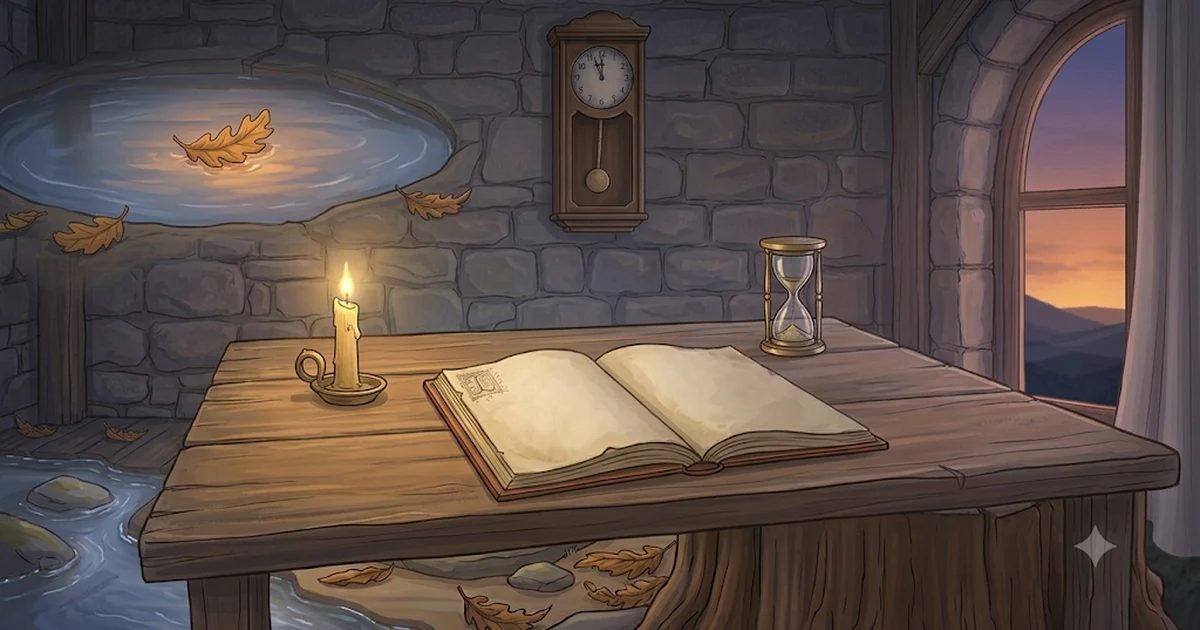
Death can be compared to a candle going dark, a leaf falling from a tree, a star fading before dawn, a song becoming silent, or a river finally reaching the sea. Each image creates a different feeling. A candle may suggest a life ending. A falling leaf can represent the natural cycle of life. A fading song can suggest memory and loss. A river reaching the sea can represent the completion of a long journey.
The best death similes are not necessarily the most complicated ones. They are the ones that fit the scene and make the reader feel something.
When writing your own, first decide what you want to express. Then choose an image that matches that emotion. Keep the comparison clear, avoid repeating familiar images too often, and do not force a simile into every sentence.
Used with care, death similes can turn a simple description into something much more vivid, thoughtful, and memorable.
FAQs About Death Similes
What is a death simile?
A death simile compares death, dying, or the end of life with something else by using words such as “like” or “as.”
What is a good simile for someone dying?
A gentle example is “His life faded like the last light of sunset.” It suggests that the person’s life is gradually coming to an end.
What is a peaceful simile for death?
“Her passing was as gentle as a falling leaf” is a peaceful death simile. It presents death as quiet and natural.
What is a poetic way to describe death?
A poetic way to describe death is “like a melody fading into silence.” It creates an image of something beautiful gradually coming to an end.
How do you describe death without saying died?
You can say that someone “passed away,” “slipped away,” “faded away,” or that their “journey came to an end.” If you want a true simile, add a comparison such as “His life ended like a candle going out.”
What is a good simile for grief?
A useful example is “Grief felt like an empty house after everyone had gone.” It focuses on the loneliness left behind after a loss.
Are death similes always sad?
No. Death similes can express sadness, but they can also suggest peace, acceptance, completion, or the natural cycle of life.
Can I use death similes in an essay?
Yes. Simple and clear death similes can work well in literary essays and school assignments, especially when discussing symbolism, imagery, or a character’s death.
Can beginners write death similes?
Yes. Beginners can start with familiar images such as candles, leaves, sunsets, stars, books, and songs. The most important thing is to make the comparison clear.
What is the difference between a death simile and a metaphor?
A death simile uses “like” or “as” to compare death with something else. A metaphor makes the comparison directly without those words.
What symbols are commonly used for death?
Common literary symbols include candles, falling leaves, sunsets, fading stars, closed books, silent music, empty rooms, rivers, and fading light. Their meaning depends on the context.
