

Introduction
Depression can be difficult to put into words. Sometimes a person knows that something feels wrong but cannot explain exactly what is happening inside. Saying “I feel sad” may not be enough to describe the tiredness, emptiness, loneliness, or lack of motivation that can come with depression.
This is where similes can help.
A simile compares one thing to another by using words such as “like” or “as.” When writers use similes to describe depression, they turn an invisible feeling into something readers can picture. Depression may feel like walking through thick fog, carrying a heavy backpack, sitting alone in a crowded room, or watching life through a glass wall.
These comparisons do not describe depression in exactly the same way for everyone. People experience depression differently. One person may feel mostly exhausted, while another may struggle more with sadness, numbness, isolation, or a lack of interest in things they once enjoyed.
A good depression simile does not diagnose anyone or explain the condition itself. It simply gives someone a way to describe a personal experience when ordinary words do not feel strong enough.
In this guide, you will find simple depression similes, examples for creative writing, comparisons for different emotions, everyday examples, student-friendly examples, and tips for creating your own.
Quick Answer
A depression simile compares the experience of depression to something familiar by using words such as “like” or “as.” These comparisons can make difficult emotions easier to explain. For example, “Depression felt like carrying a bag full of stones” gives a clearer picture of emotional heaviness than simply saying, “I felt sad.” Depression similes can describe sadness, emptiness, loneliness, numbness, exhaustion, confusion, hopelessness, and feeling stuck. They are useful in creative writing, poetry, journaling, personal conversations, and school assignments.
What Is a Depression Simile?
A depression simile is a comparison that uses something familiar to describe the experience of depression or feeling depressed. It usually contains the words “like” or “as.”
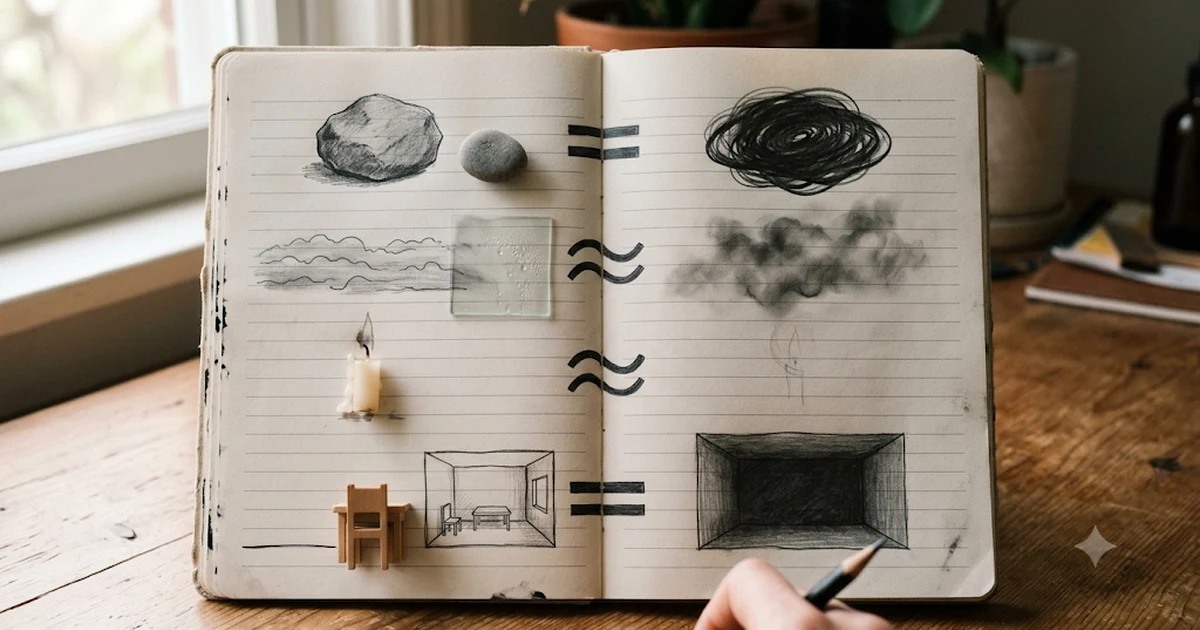
For example:
- Depression feels like a heavy stone sitting on my chest.
- My mind feels like a room with no windows.
- I felt as empty as an abandoned house.
- Getting through the day was like walking through deep mud.
Each comparison gives the reader something familiar to imagine.
A direct statement such as “I felt emotionally exhausted” tells the reader what happened. A simile can show what that exhaustion feels like.
For example:
“I felt emotionally exhausted.”
“I felt like I had been carrying a backpack full of stones all day.”
The second sentence creates a physical image of the emotional burden.
Depression similes can be simple or creative. They can describe sadness, emptiness, isolation, numbness, confusion, exhaustion, hopelessness, or a loss of motivation.
Depression and Sadness Are Not Always the Same
Depression and sadness can overlap, but they are not exactly the same thing.
Sadness is a normal emotion that can happen after disappointment, loss, stress, or a difficult experience. Depression can involve sadness, but it may also include feelings such as emptiness, exhaustion, disconnection, difficulty concentrating, changes in sleep, and loss of interest in things a person normally enjoys.
Because depression affects people differently, there is no single simile that describes it perfectly.
For example, one person might describe their experience as carrying a heavy load. Another person might describe it as feeling separated from the world by a glass wall.
A simile describes a person’s experience. It should not be treated as a way to diagnose depression.
Why Do People Use Similes to Describe Depression?
People often use similes because emotions can be difficult to explain directly.
A simple comparison can help another person understand an experience that may otherwise be hard to imagine.
For example:
“I felt hopeless.”
This is clear, but it does not give the reader much of an image.
“I felt like I was walking down a road that disappeared into fog.”
This creates a stronger picture of uncertainty and hopelessness.
Similes can help writers:
- Make emotional writing more vivid
- Explain complicated feelings
- Create an emotional connection with readers
- Show instead of simply tell
- Add depth to stories and poems
- Express feelings in journals
- Describe personal experiences more clearly
How Depression Similes Make Emotional Writing More Relatable
A strong simile connects an unfamiliar emotional experience with something people already understand.

Most people know what thick fog feels like. They know that fog makes it harder to see where they are going. So when a writer says, “My mind felt like it was covered in thick fog,” the reader can understand the idea of confusion and uncertainty.
The comparison does not need to be complicated.
Sometimes a simple image is enough:
“My energy felt like a phone battery stuck at one percent.”
This gives the reader an immediate idea of feeling drained.
The best similes usually focus on one clear feeling instead of trying to describe everything at once.
Similes for Depression
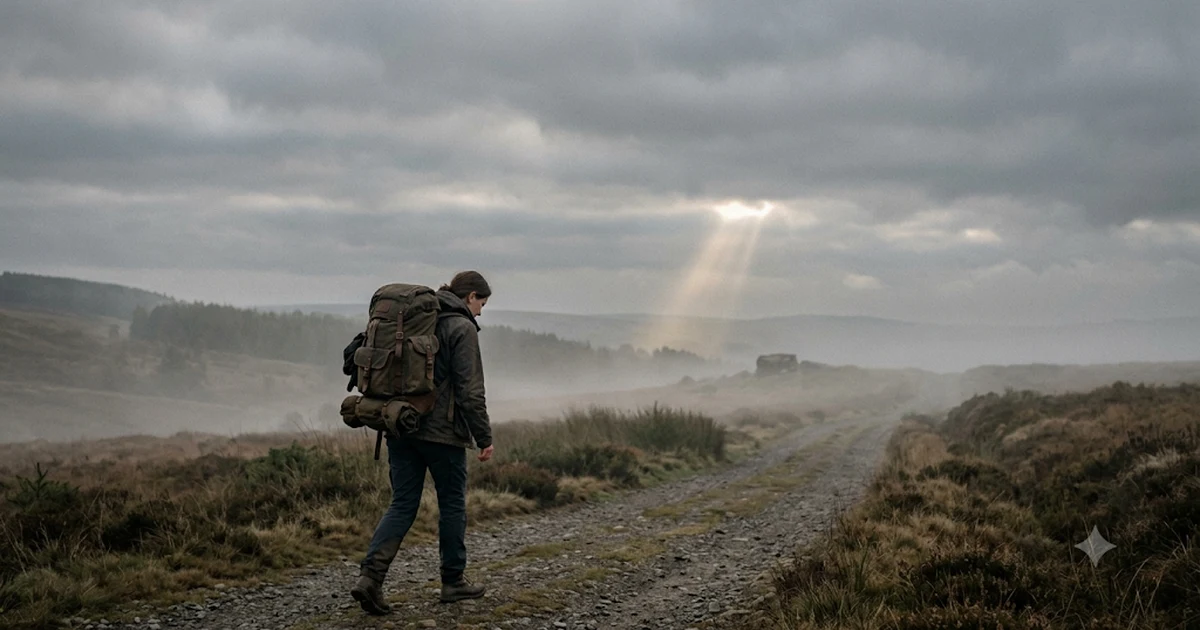
1. Depression Is Like a Dark Cloud That Never Seems to Leave
Meaning: It describes sadness or negativity that feels constantly present.
In a sentence:
“Her depression felt like a dark cloud that followed her through every part of the day.”
Other ways to say:
Depression is like a gray sky that refuses to clear. It is like a shadow that stays close no matter where you go.
2. Depression Feels Like Drowning in an Ocean of Sorrow
Meaning: It describes feeling overwhelmed by sadness and unable to find relief.
In a sentence:
“He described his depression as feeling like drowning in an ocean of sorrow.”
Other ways to say:
Depression is like being caught in rough water without knowing where the shore is. It is like being pulled under by waves of sadness.
3. Depression Is Like Walking Through a Never Ending Tunnel
Meaning: It describes feeling trapped and unable to see a clear way forward.
In a sentence:
“For her, depression felt like walking through a tunnel that never seemed to end.”
Other ways to say:
Depression is like following a road through endless darkness. It is like walking through fog without knowing where the path leads.
4. Depression Is Like Carrying a Heavy Burden on Your Shoulders
Meaning: It describes emotional weight and exhaustion.
In a sentence:
“His depression felt like carrying a heavy burden on his shoulders every day.”
Other ways to say:
Depression is like wearing a backpack filled with stones. It is like dragging a heavy load wherever you go.
5. Depression Is Like Being Stuck in Deep Mud
Meaning: It describes feeling unable to move forward even when you want to.
In a sentence:
“Getting through the morning felt like trying to walk through deep mud.”
Other ways to say:
Depression is like walking through wet cement. It is like trying to move while the ground keeps pulling you back.
6. Depression Is Like Thick Fog Covering Your Mind
Meaning: It describes confusion and difficulty seeing things clearly.
In a sentence:
“Her depression felt like thick fog covering her mind.”
Other ways to say:
Depression is like trying to see through frosted glass. It is like looking for a path through heavy mist.
7. Depression Is Like a Never Ending Winter
Meaning: It describes emotional numbness and a lack of warmth or joy.
In a sentence:
“For him, depression felt like a winter that would not end.”
Other ways to say:
Depression is like being surrounded by ice. It is like waiting for spring when the cold never seems to leave.
8. Depression Is Like Walking Through a Field of Thorns
Meaning: It describes how ordinary steps can feel painful and difficult.
In a sentence:
“Her depression felt like walking through a field of thorns, where every step took effort.”
Other ways to say:
Depression is like walking across sharp rocks. It is like moving through a path where every step feels harder than the last.
9. Depression Is Like a Rainstorm That Will Not Stop
Meaning: It represents sadness that seems constant.
In a sentence:
“To her, depression felt like a rainstorm that would not stop.”
Other ways to say:
Depression is like standing outside in cold rain without finding shelter. It is like living under a sky that never clears.
10. Depression Is Like a Broken Record Playing the Same Sad Song
Meaning: It describes repetitive negative thoughts and emotions.
In a sentence:
“His depression felt like a broken record playing the same sad song over and over.”
Other ways to say:
Depression is like a song stuck on repeat. It is like hearing the same painful thought again and again.
11. Depression Is Like a Heavy Blanket
Meaning: It describes feeling weighed down and unable to shake the sadness.
In a sentence:
“Her depression felt like a heavy blanket covering her from morning until night.”
Other ways to say:
Depression is like carrying a weight you cannot put down. It is like being wrapped in something too heavy to move freely.
12. Depression Is Like a Shadow Following You
Meaning: It describes a feeling that remains present even during ordinary moments.
In a sentence:
“His depression felt like a shadow that followed him everywhere.”
Other ways to say:
Depression is like a dark shape standing just behind you. It is like a quiet presence that never fully disappears.
13. Depression Is Like a Puzzle With Missing Pieces
Meaning: It describes feeling incomplete, confused, or disconnected from yourself.
In a sentence:
“She felt like a puzzle with several pieces missing.”
Other ways to say:
Depression is like trying to put together a puzzle that does not have all its pieces. It is like having parts of yourself scattered across the floor.
14. Depression Is Like Being Stranded in a Desert
Meaning: It represents isolation and the search for relief or hope.
In a sentence:
“His depression felt like being stranded in a desert while searching for an oasis.”
Other ways to say:
Depression is like wandering through a dry landscape without knowing where water is. It is like searching for a small sign of relief in a huge empty place.
15. Depression Is Like a Storm Cloud Blocking the Sun
Meaning: It describes sadness that makes positive things difficult to see.
In a sentence:
“Her depression was like a storm cloud blocking the sun.”
Other ways to say:
Depression is like gray weather covering a bright day. It is like a curtain blocking the light.
16. Depression Is Like a Maze With No Clear Exit
Meaning: It describes feeling lost and unsure about what to do next.
In a sentence:
“His depression felt like being lost in a maze with no clear exit.”
Other ways to say:
Depression is like following roads that keep leading nowhere. It is like having a map with no marked destination.
17. Depression Is Like a Barren Landscape
Meaning: It describes emptiness and the feeling that joy has disappeared.
In a sentence:
“Her depression felt like walking across a barren landscape with nothing growing around her.”
Other ways to say:
Depression is like standing in an empty field. It is like living in a place where everything feels quiet and lifeless.
18. Depression Is Like a Broken Compass
Meaning: It describes feeling directionless or unsure about the future.
In a sentence:
“Her depression felt like having a broken compass and no idea which direction to take.”
Other ways to say:
Depression is like wandering without a map. It is like standing at a crossroads without knowing which road to choose.
19. Depression Is Like a Heavy Anchor
Meaning: It describes feeling stuck and unable to move forward.
In a sentence:
“His depression felt like a heavy anchor keeping him in one place.”
Other ways to say:
Depression is like being tied to a weight beneath the water. It is like carrying something that keeps pulling you backward.
20. Depression Is Like a Silent Storm Inside
Meaning: It describes emotional pain that may not be visible to other people.
In a sentence:
“His depression felt like a silent storm raging inside while everything looked normal from the outside.”
Other ways to say:
Depression is like thunder hidden behind a quiet sky. It is like a storm that nobody else can see.
21. Depression Is Like a Deep Hole
Meaning: It describes feeling trapped or unable to find a way forward.
In a sentence:
“Her depression felt like being stuck in a deep hole.”
Other ways to say:
Depression is like standing at the bottom of a dark pit. It is like being surrounded by walls that feel too high to climb.
22. Depression Is Like a Dark Cave
Meaning: It describes isolation and emotional darkness.
In a sentence:
“His depression felt like being inside a dark cave with no clear path forward.”
Other ways to say:
Depression is like being surrounded by darkness. It is like sitting somewhere quiet and far away from the rest of the world.
23. Depression Is Like a Storm Tossing a Ship
Meaning: It describes emotional instability and feeling unable to find calm.
In a sentence:
“His depression felt like a storm tossing a small ship across rough water.”
Other ways to say:
Depression is like being caught in waves that keep changing direction. It is like trying to stay steady during a rough sea.
Easy Depression Simile Examples for Beginners
If you are new to writing similes, simple comparisons are often the easiest place to start.
- Depression is like a cloudy day that never clears.
- Depression is like carrying a bag full of stones.
- Depression is like a candle slowly losing its flame.
- Depression is like being stuck in slow motion.
- Depression is like walking through fog.
- Depression is like sitting alone in an empty room.
- Depression is like a road covered in mist.
- Depression is like a heavy backpack you cannot take off.
These examples are easy to understand and can be adapted for essays, poems, stories, or personal writing.
Depression Similes Using “As”
Similes can also use “as” instead of “like.”
Examples include:
- Depression can feel as heavy as a stone.
- I felt as empty as an abandoned room.
- My energy was as low as a candle near the end of its flame.
- The day felt as gray as a sky before a storm.
- I felt as distant as someone watching life through glass.
- My thoughts were as scattered as leaves blowing in the wind.
- Getting through the morning felt as difficult as climbing a steep hill.
Using both “like” and “as” can make your writing sound less repetitive.
Depression Similes That Describe Emptiness
Depression does not always feel like sadness. Sometimes it feels like nothing at all.

Here are some examples:
- Depression is like an empty room after everyone has left.
- I felt like an empty glass with nothing left inside.
- My chest felt like a hollow cave.
- Depression was like a house with all the lights turned off.
- I felt like a notebook with every page erased.
- My emotions felt like a quiet room with no voices.
These comparisons focus on the absence of emotion, energy, or connection.
Similes That Show Emotional Numbness and Disconnection
Some people describe depression as feeling separated from the world around them.
Examples include:
- Depression is like watching life through thick glass.
- It is like hearing the world from underwater.
- I felt like a robot moving through a normal day.
- Everything felt like a movie I was watching from far away.
- It was like standing behind a wall that nobody else could see.
- My emotions felt as frozen as a lake in winter.
These similes are useful when the main feeling is distance rather than sadness.
Depression Similes for Loneliness and Isolation
Depression can make someone feel alone even when other people are nearby.
Examples include:
- Depression is like sitting alone in a crowded room.
- It is like being a single leaf lost in a storm.
- I felt like a small light in an empty street.
- Being around people felt like standing behind a glass wall.
- I felt like an island surrounded by water.
- It was like being forgotten in a quiet corner.
For example:
“He was surrounded by friends, but depression made him feel like he was sitting alone in a crowded room.”
The comparison shows that physical company does not always remove emotional loneliness.
Depression Similes for Mental Heaviness
Mental exhaustion can sometimes feel like physical weight.
Try these examples:
- Depression is like a mountain sitting on my chest.
- It is like dragging chains with every step.
- My thoughts feel like a backpack full of stones.
- Depression is like gravity pulling me down.
- My mind feels like a room filled with heavy furniture.
- Getting through the day feels like walking uphill.
These comparisons work well when the main emotion is pressure or exhaustion.
Depression Similes for Low Motivation
A loss of motivation can make even simple activities feel difficult.

Examples include:
- Depression is like pushing a stalled car uphill.
- Getting started feels like moving through wet cement.
- My motivation feels like a phone battery stuck at one percent.
- Getting out of bed feels like climbing a staircase that never ends.
- Doing simple chores feels like carrying a heavy box across a long distance.
- Starting homework feels like trying to move a mountain.
For example:
“Getting ready for work felt like pushing a stalled car uphill.”
The comparison shows that the task itself may be ordinary, but the person’s emotional state makes it feel much harder.
Depression Similes for Trouble Concentrating
Depression can also affect concentration and make thoughts feel scattered.
Examples include:
- My thoughts are like papers blowing around in the wind.
- Trying to focus is like reading through frosted glass.
- My mind feels like a radio changing stations by itself.
- Concentrating is like trying to catch a fish with bare hands.
- My thoughts are like puzzle pieces scattered across the floor.
- Studying feels like trying to read while standing in heavy fog.
For example:
“I tried to study, but my thoughts felt like papers blowing around in the wind.”
Depression Similes for Hopelessness
Hopelessness can be difficult to describe because it is an internal feeling.
Here are some examples:
- Depression is like walking down a road that seems to have no end.
- It is like looking for a door in a room with no windows.
- It feels like waiting for sunrise during the longest night.
- It is like standing at sea without knowing where the shore is.
- Hope feels as far away as a distant star.
- The future feels like a road disappearing into fog.
These comparisons express the feeling of not being able to see a clear path ahead.
Depression Similes for Everyday Life
The strongest similes are not always dramatic. Sometimes ordinary situations make the most relatable comparisons.
Getting out of bed
“Getting out of bed felt like climbing a hill before sunrise.”
Going to work
“Going to work felt like carrying a suitcase that nobody else could see.”
Answering messages
“Answering texts felt like lifting a weight with every reply.”
Doing chores
“Cleaning the house felt like trying to empty an ocean with a cup.”
Talking to friends
“Talking to people felt like trying to speak through a wall.”
Losing interest in hobbies
“My favorite hobbies felt like books written in a language I could no longer understand.”
These comparisons connect emotional experiences with things people recognize from daily life.
Simple Depression Similes for Students
Students can use simple similes in creative writing, poems, essays, and classroom assignments.
Examples include:
- Depression is like carrying a backpack that gets heavier every day.
- My mind felt like an empty classroom after everyone had gone home.
- Studying felt like trying to read through fog.
- Depression felt like walking through a school hallway with no direction.
- Getting through the school day felt like walking through deep mud.
- My motivation was like a pencil with no lead left.
- I felt like a student sitting alone in an empty classroom.
These examples use familiar school situations, which can make the comparison easier for younger readers to understand.
Short Depression Similes for Daily Conversations
A simile does not have to be long to express a strong feeling.
Here are some short examples:
- Like a heavy cloud
- Like an empty room
- Like a fading light
- Like a silent storm
- Like walking through fog
- Like carrying a heavy load
- Like being stuck in mud
- Like living behind glass
- Like a candle losing its flame
- Like a road with no direction
For example:
“Lately, I feel like I am walking through fog.”
This is short, but it still gives the listener an idea of confusion and emotional heaviness.
Powerful Depression Similes for Creative Writing
Writers and poets often use vivid comparisons to create a stronger emotional atmosphere.

Here are some creative examples:
- Depression is like a clock that refuses to move.
- Depression is like a road disappearing into heavy fog.
- Depression is like a house where every window is covered.
- Depression is like a song playing quietly in the background of every thought.
- Depression is like a door that feels impossible to open.
- Depression is like a sky with no stars.
- Depression is like a photograph slowly losing its color.
- Depression is like a fire hidden beneath a layer of ice.
- Depression is like a river pulling you farther from shore.
- Depression is like a room where the lights have been turned down low.
These can work especially well in poems, short stories, personal essays, and character descriptions.
Depression Similes for Storytelling and Character Development
Similes can help writers show what a character is experiencing without explaining every emotion directly.
Instead of writing:
“He was depressed and exhausted.”
You could write:
“He moved through the morning like someone carrying a weight no one else could see.”
The second sentence gives the reader a picture of the character’s emotional state.
Another example is:
“She smiled at everyone, but inside she felt like a house with all its lights turned off.”
This shows the difference between what a person presents to others and what they may feel internally.
When writing a character with depression, not every comparison needs to be dark or dramatic. Small everyday details can often feel more realistic.
For example:
“Getting dressed felt like climbing a staircase that never ended.”
This simple image communicates exhaustion without using overly dramatic language.
How to Create Your Own Depression Similes
Creating your own simile is easier when you start with the exact feeling you want to describe.
Step 1: Name the feeling
Ask yourself what the emotion feels like.
Is it:
- Heavy
- Empty
- Lonely
- Numb
- Confusing
- Exhausting
- Hopeless
- Disconnected
- Unmotivated
Step 2: Find a familiar experience
Think about something physical or familiar that has a similar feeling.
For example:
Feeling disconnected can be like watching through glass.
Step 3: Add “like” or “as”
Now connect the two ideas.
“I feel like I am stuck in deep mud.”
“My mind feels like an empty room.”
“My emotions feel as heavy as a backpack filled with stones.”
Step 4: Add a specific detail
A specific detail can make a simile feel more personal.
Instead of:
“Depression is like rain.”
Try:
“Depression feels like cold rain that follows me even after I step indoors.”
The second example creates a clearer image because it gives the reader a specific situation.
How to Avoid Clichés in Depression Similes
Some depression similes are very common.
Examples include:
- Like a dark cloud
- Like drowning
- Like a dark tunnel
- Like carrying a heavy burden
- Like a storm
These comparisons are not wrong. They can still be effective when they fit the situation. However, if you want your writing to feel more original, try using details from everyday life.
For example:
Common:
“Depression is like a dark cloud.”
More personal:
“Depression felt like opening my curtains every morning and finding the same gray sky waiting for me.”
The second comparison feels more specific because it comes from an ordinary moment.
A good simile does not have to sound complicated. It simply needs to fit the emotion.
Common Mistakes When Using Depression Similes

Using too many similes
One strong comparison can have more impact than several comparisons in the same paragraph.
Repeating the same idea
If every simile describes darkness, storms, and rain, the writing can become repetitive.
Try describing other feelings such as exhaustion, numbness, loneliness, confusion, or lack of motivation.
Making every comparison extreme
Not every experience of depression feels like a storm or a disaster.
Sometimes it feels like struggling to answer a text, get out of bed, concentrate, or enjoy something familiar.
Choosing unclear comparisons
The reader should be able to understand the connection without having to think too hard about it.
Forgetting the personal experience
A simile becomes more meaningful when it connects to a specific feeling, memory, or situation.
Comparing Depression Similes and Metaphors
Similes and metaphors both make comparisons, but they work in slightly different ways.
| Simile | Metaphor |
|---|---|
| Uses “like” or “as” | Makes a direct comparison |
| “Depression is like a heavy stone.” | “Depression is a heavy stone.” |
| Makes the comparison obvious | Makes the comparison more direct |
| Often easier for beginners | Can sound stronger or more poetic |
Both can work well in creative writing.
A simile simply makes the comparison more obvious by using words such as “like” or “as.”
When to Use Depression Similes
Depression similes can be useful in several types of writing.
Creative writing
They can help show what a character is feeling without explaining every emotion.
Poetry
Short comparisons can create emotional depth and strong images.
Journaling
Writing a personal simile can help put a difficult feeling into words.
Personal conversations
A simple comparison can help someone understand what you are trying to express.
School assignments
Students can use clear similes in essays, poems, and stories.
Character descriptions
Writers can describe emotional struggles through images instead of simply saying that a character is depressed.
Using Depression Similes in Journaling and Self Expression
Similes can be useful when writing about personal emotions.
Try completing these sentences:
- Today, my mind felt like…
- Getting out of bed felt like…
- My emotions were like…
- Being around people felt like…
- My energy felt as low as…
- My thoughts moved like…
- Hope felt like…
- The hardest part of today was like…
For example:
“Today, my mind felt like a browser with too many tabs open.”
This does not need to sound poetic. It only needs to describe the experience honestly.
Hope and Recovery Similes
Depression-related writing does not always have to focus on darkness.
Small signs of hope can also be described through similes.
Examples include:
- Hope can be like the first light entering a dark room.
- Recovery can feel like slowly stepping out of thick fog.
- A better day can be like the first warm morning after a long winter.
- Support can be like a hand reaching through deep water.
- A small moment of joy can be like a candle lighting a quiet room.
- Healing can be like opening a window after being inside for a long time.
These comparisons can work well when writing about progress, support, recovery, or a change in someone’s emotional state.
How to Make a Depression Simile Feel Personal
A common simile can work, but a personal detail can make it stronger.
For example:
“Depression is like a dark cloud.”
This is easy to understand, but it is also very common.
A more personal version could be:
“Depression felt like opening my curtains every morning and seeing the same gray sky.”
The second comparison feels more specific because it describes an ordinary moment.
Think about what depression or emotional heaviness affects in your own situation.
What does loneliness feel like?
What does a better moment feel like?
The answers can become the starting point for original similes.
Common Depression Similes and Fresh Alternatives
| Common Simile | Fresher Alternative |
| Like a dark cloud | Like opening the curtains to the same gray morning |
| Like drowning | Like trying to walk while the ground keeps pulling you down |
| Like a dark tunnel | Like following a road that disappears into fog |
| Like carrying a heavy burden | Like wearing a backpack filled with invisible stones |
| Like a storm | Like hearing thunder inside a quiet room |
| Like being trapped | Like standing behind a door that will not open |
The goal is not to avoid every familiar comparison. The goal is to make the image fit the emotion and situation.
A Simple Way to Choose the Right Depression Simile

Start by deciding what emotion you want the reader to understand.
If you want to show lack of motivation, think about stalled cars, heavy doors, steep hills, or objects that are difficult to move.
If you want to show hope, think about sunrise, an open window, a small flame, or the first signs of spring.
This approach makes it easier to choose a comparison that actually matches the feeling.
Exercise to Practice Creating Depression Similes
Complete each sentence with your own comparison.
- Depression feels like __________.
- My thoughts feel like __________.
- Getting through the day feels like __________.
- Feeling alone is like __________.
- Emotional exhaustion feels like __________.
- Being unable to focus is like __________.
- Feeling numb is like __________.
- Losing motivation feels like __________.
- Feeling trapped is like __________.
- Hope feels like __________.
There is no single correct answer.
The best simile is the one that accurately expresses the feeling you are trying to describe.
What Is a Good Simile for Feeling Depressed?
A good simile for feeling depressed is one that clearly expresses the experience without making the comparison unnecessarily complicated.
For example:
“I feel like I am walking through thick fog.”
This works because fog can represent confusion, distance, and difficulty seeing what comes next.
Another example is:
“I feel as heavy as a stone.”
This focuses on emotional weight and exhaustion.
There is no single best simile for everyone. The most effective comparison is the one that feels closest to the experience you are trying to describe.
Conclusion
Depression can be difficult to describe because the experience is not always visible from the outside. Someone may look fine while feeling exhausted, empty, disconnected, lonely, or overwhelmed inside.
Similes give those feelings a shape.
A heavy backpack can represent emotional weight. Thick fog can represent confusion. An empty room can represent loneliness or emptiness. A glass wall can represent disconnection. A fading candle can represent low energy or hope.
The strongest depression similes do not have to use complicated words. They simply need to feel clear, honest, and connected to the emotion being described.
If you are writing about depression, start with the feeling you want to express. Then think of an object, place, activity, or experience that feels similar. Connect the two with “like” or “as” and keep the comparison natural.
Depression does not look or feel the same for everyone. A simile is only a way to describe one person’s experience. It is not a definition or diagnosis.
Sometimes the hardest feelings are the ones we cannot easily name. A simple comparison can give those feelings a shape and help someone else understand what we mean.
FAQs About Depression Similes
1. What is a depression simile?
A depression simile compares the experience of depression or feeling depressed to something familiar by using words such as “like” or “as.” For example, “Depression felt like carrying a bag full of stones.”
2. What is a good simile for feeling depressed?
A simple example is, “I feel like I am walking through thick fog.” It can describe confusion, emotional heaviness, and difficulty seeing what comes next.
3. Why are similes useful for describing depression?
Similes make difficult emotions easier to picture and explain. They can help describe feelings such as sadness, emptiness, loneliness, exhaustion, numbness, and hopelessness.
4. What is a simple simile for depression?
“Depression is like a heavy cloud” is a simple example. It suggests that sadness or emotional heaviness feels constantly present.
5. What simile describes feeling empty?
“Depression is like an empty room” is a simple way to describe emotional emptiness, loneliness, or a lack of connection.
6. What simile describes emotional numbness?
“Depression is like watching life through thick glass” can describe feeling distant or disconnected from the people and events around you.
7. What simile describes depression as a heavy feeling?
“Depression is like carrying a backpack full of stones” describes the emotional weight and exhaustion that a person may experience.
8. Can I use depression similes in poetry?
Yes. Similes can add emotional depth to poems by turning abstract feelings into images that readers can picture.
9. Can I use depression similes in everyday conversations?
Yes. Short comparisons can make it easier to explain difficult feelings. For example, “I feel like I am walking through fog” can communicate confusion or emotional heaviness.
10. How can I create my own depression simile?
Start with the feeling you want to describe. Think of something familiar that has a similar quality, then connect the two using “like” or “as.”
11. Are dark clouds and storms good depression similes?
They can be effective because most people understand the connection between storms and difficult emotions. However, they are common comparisons, so specific everyday details can make your writing feel more original.
12. Are similes and metaphors the same?
No. A simile uses words such as “like” or “as” to make a comparison. A metaphor makes the comparison directly.
13. Can depression similes be used in school assignments?
Yes. Simple and clear depression similes can be used in poems, essays, stories, and other creative writing assignments when the topic is appropriate.
14. Can I use depression similes in a journal?
Yes. Personal similes can help you put difficult emotions into words. You can describe how your mind, energy, relationships, or daily activities feel.
15. What makes a good depression simile?
A good depression simile is clear, relatable, and connected to a specific feeling. It does not need complicated language. It simply needs to help the reader understand the emotion.
16. How long should a depression simile be?
A simile can be very short. For example, “like a fading light” is enough if it clearly communicates the feeling you want to express.
17. Can depression feel different from person to person?
Yes. People can experience depression in different ways. One person may experience sadness, while another may mainly experience emptiness, exhaustion, numbness, isolation, or difficulty enjoying familiar activities.
18. Can similes explain what depression feels like?
They can help describe a person’s experience, but they cannot fully explain depression as a mental health condition. Similes are a writing and communication tool that gives difficult feelings a more understandable image.
