Simile for Ice Cream With Creative and Sweet Writing Examples

Ice cream simile writing example

Quick Answer Box Simile for ice cream:A simile for ice cream is a comparison that describes ice cream using words like “like” or “as” to show its taste, texture, or feeling in a creative way. Introduction Ice cream is one of those foods that instantly brings strong images to mind. It feels cold, sweet, smooth,

Read more about Simile for Ice Cream With Creative and Sweet Writing Examples

Simile for Homework With Funny and Creative Examples

simile for homework

Quick Answer A simile for homework compares homework to something else using words like “like” or “as” to make writing more creative and expressive. For example, “Homework felt like climbing a mountain” shows that the work feels difficult and exhausting. Students use homework similes to add emotion, humor, and vivid imagery to essays, poems, and

Read more about Simile for Homework With Funny and Creative Examples

Simile for Grade 5 With Easy Examples and Writing Tips

simile for grade 5

Quick Answer A simile is a comparison between two different things using the words like or as. Grade 5 students learn similes to make their writing more creative, descriptive, and interesting. Introduction Writing becomes far more enjoyable when Grade 5 students learn how to use similes in their writing. A simile compares two different things

Read more about Simile for Grade 5 With Easy Examples and Writing Tips

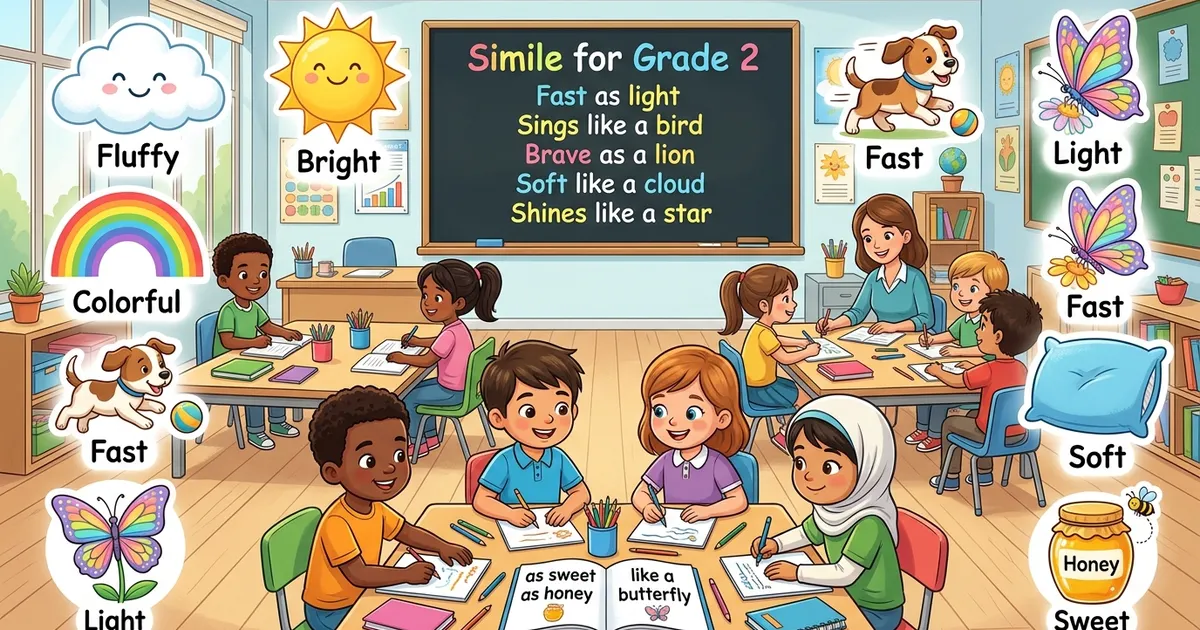
Simile for Grade 2 With Easy and Fun Examples for 2026

simile for grade 2

Quick Answer A simile for grade 2 is a comparison between two different things using the words “like” or “as.” Similes help children make writing more fun, colorful, and easy to understand. Introduction Kids enjoy writing more when words create clear and funny pictures in their minds. Similes help young learners do exactly that. A

Read more about Simile for Grade 2 With Easy and Fun Examples for 2026

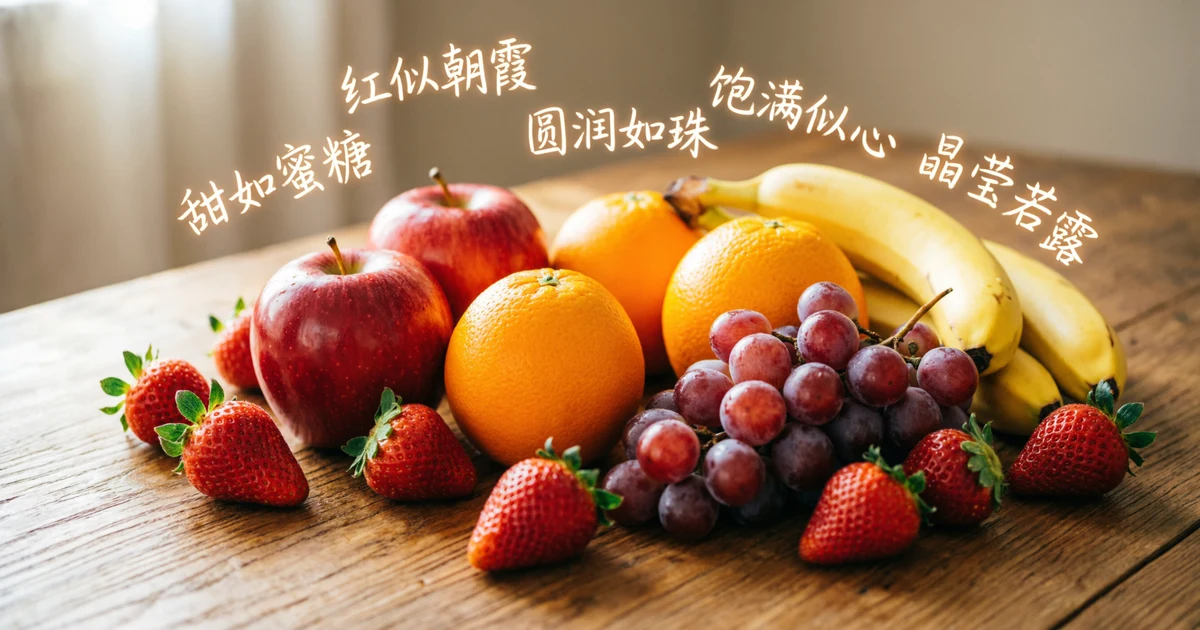
Simile for Fruit With Creative Examples and Writing Tips for 2026

simile for fruit

Quick Answer A simile for fruit compares fruit with another object, feeling, or person by using words such as “like” or “as.” Writers use fruit similes to create colorful imagery, emotions, and vivid descriptions in stories, poems, essays, and captions. Introduction Fruit appears in stories, poems, essays, and daily conversations because it creates bright and

Read more about Simile for Fruit With Creative Examples and Writing Tips for 2026

Simile for Face With Creative Examples and Writing Tips

simile for face

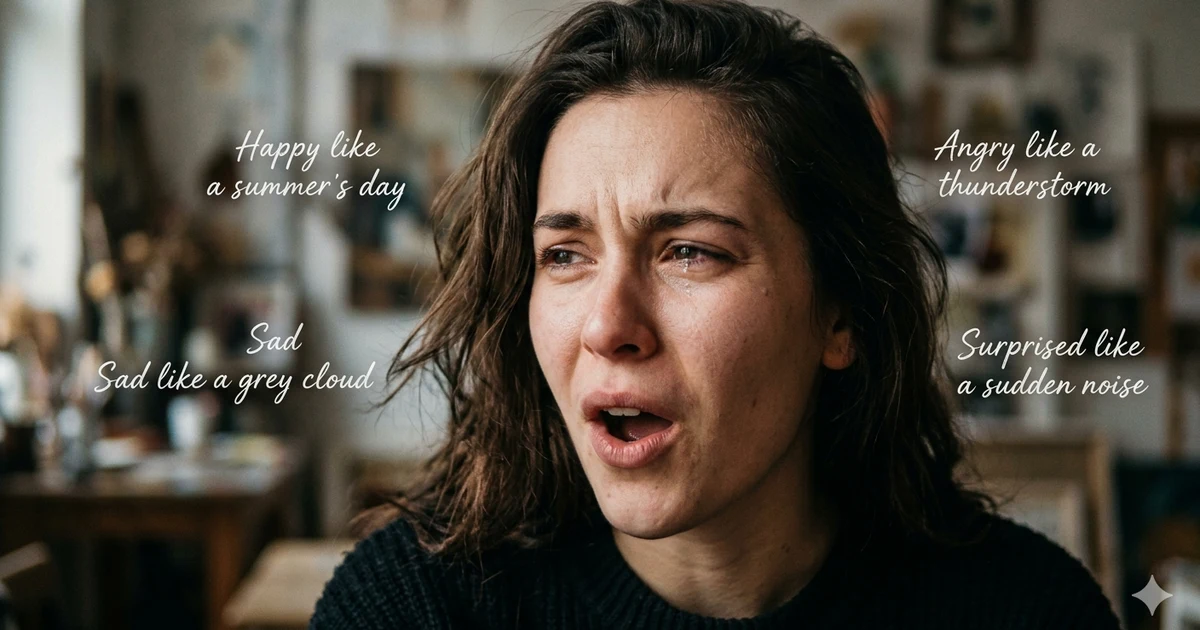
Quick Answer Box A simile for face compares a person’s face to something familiar using words like “like” or “as.” Writers use these similes to describe beauty, emotions, expressions, and personality in a more vivid way. Introduction A face tells stories before words ever begin. Joy, fear, anger, love, and surprise often appear through facial

Read more about Simile for Face With Creative Examples and Writing Tips

Simile for ESL Students With Easy Examples and Writing Tips

simile for esl students

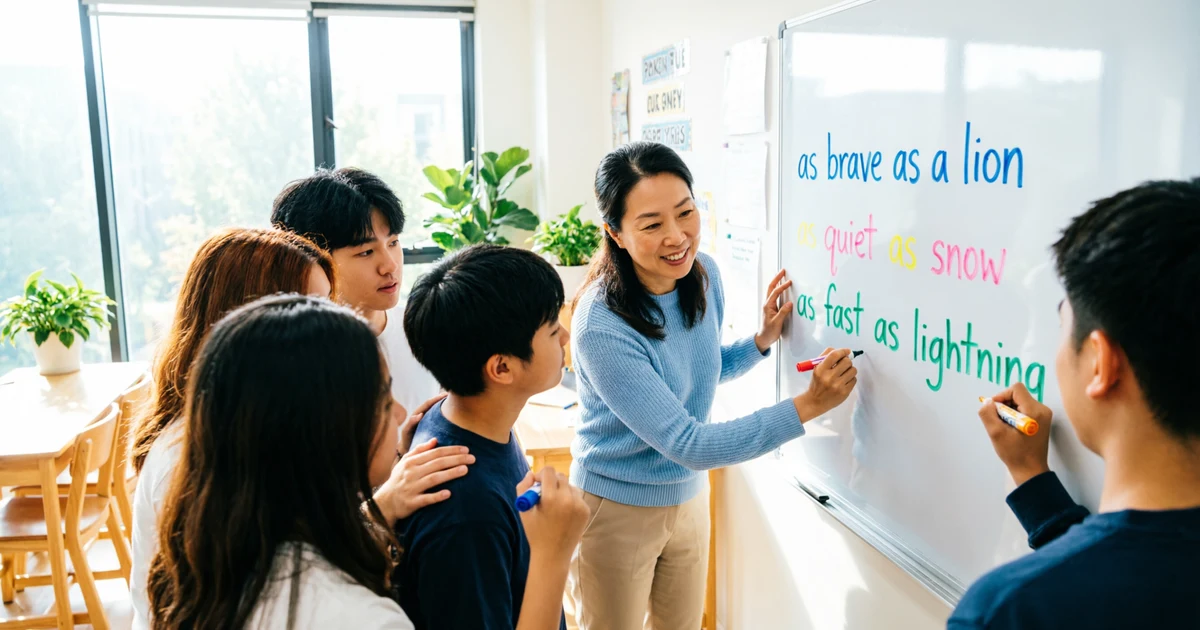
Quick Answer A simile for ESL students compares two things by using words like “as” or “like” to make English easier to understand and more descriptive. Common examples include “as busy as a bee,” “as quiet as a mouse,” and “like a shining star.” Similes help ESL learners improve speaking, writing, vocabulary, and creative expression

Read more about Simile for ESL Students With Easy Examples and Writing Tips

Simile for Ending With Powerful Writing Examples

simile for ending

Quick Answer A simile for ending compares an ending to something else by using words like “like” or “as” to create emotion and vivid imagery. Writers use these similes to make final moments feel more memorable, emotional, or meaningful. Introduction Every story, conversation, relationship, or journey reaches an ending. Some endings feel peaceful while others

Read more about Simile for Ending With Powerful Writing Examples

Simile for Dialogue With Creative Examples and Writing Tips

simile for dialogue

Quick Answer A simile for dialogue compares the way someone speaks to something familiar using words like “as” or “like.” Writers use these comparisons to make conversations feel more emotional, vivid, and realistic. For example, “Her voice cut through the silence like broken glass” creates a stronger image than simply saying she sounded angry. Introduction

Read more about Simile for Dialogue With Creative Examples and Writing Tips