
Introduction
Food is about much more than simply eating. A favorite meal can remind you of home, bring back a childhood memory, or make an ordinary day feel special. That is why describing food can sometimes be harder than it seems. Words such as delicious, tasty, good, and yummy are useful, but they do not always show readers what makes a food special.
This is where similes can help.
A simile gives readers something familiar to compare with the food. A creamy dessert can be as smooth as butter. A spicy curry can burn like fire. A warm bowl of soup can feel like a hug on a cold evening. These comparisons give readers a clearer idea of the eating experience.
Food similes are useful in many kinds of writing. Students can use them in creative writing and school assignments. Food bloggers can use them in reviews. Restaurant writers can use them to make dishes sound more appealing. You can even use short food similes in everyday conversations when talking about something you enjoyed.
Below, you will find delicious food simile examples for taste, texture, smell, appearance, temperature, desserts, drinks, fruits, vegetables, spicy dishes, savory foods, street food, storytelling, and everyday conversation. You will also learn how to create your own natural food similes.
Quick Answer
A delicious food simile compares food to something familiar by using words such as like or as. It helps readers imagine the taste, texture, smell, appearance, temperature, or feeling of food. For example, instead of saying, “The cake was very sweet,” you can say, “The cake was as sweet as honey.” You can also say, “The soup felt like a warm hug” or “The salsa was like fireworks in my mouth.” Food similes make descriptions more colorful and help readers imagine the food more clearly.
What Is a Delicious Food Simile?
A delicious food simile is a comparison that describes food by connecting it with another familiar thing. It usually uses like or as to make the comparison.
For example:
- The cake was as sweet as honey.
- The soup felt like a warm hug.
- The pancakes were as fluffy as a cloud.
- The salsa was like fireworks in my mouth.
- The chocolate melted like butter on a warm day.
The two things being compared do not have to be exactly alike. The comparison only needs to highlight a particular quality.
A food simile can describe:
- Taste
- Texture
- Smell
- Appearance
- Temperature
- Freshness
- Sweetness
- Spiciness
- Richness
- Comfort
- Overall enjoyment
The best food similes are easy to understand and fit the actual experience of eating the food.
What Does Delicious Mean When Describing Food?
The word delicious means that something tastes very good and gives you pleasure when you eat it. However, delicious food can taste different in many ways.
One dish may be rich and creamy. Another may be fresh and tangy. Some foods are sweet, while others are salty, smoky, spicy, or savory.
Instead of repeating the word delicious, you can describe the exact quality that makes the food enjoyable.
For example:
- The pie was as sweet as honey.
- The steak was as tender as butter.
- The chips were as crisp as autumn leaves.
- The lemonade was bright and refreshing like a summer morning.
- The curry was bold like a burst of fire.
- The chocolate was smooth like silk.
This makes your writing more specific and interesting.
Why Use Similes to Describe Delicious Food?
A simple description tells readers what something is like. A good simile helps them experience it through words.
Compare these two sentences.
The soup was delicious.
The soup tasted like a warm hug after a long, cold day.
The second sentence creates a feeling. You can almost imagine sitting down with a hot bowl of soup after being outside in the cold.
Food similes can help you:
- Make descriptions more vivid
- Show emotion
- Create stronger images
- Make writing memorable
- Describe texture clearly
- Make food reviews more interesting
- Add personality to creative writing
You do not need a complicated comparison. Sometimes the simplest similes are the strongest.
Delicious Food Similes Based on Taste
Taste is usually the first thing people think about when describing food. Different flavors need different comparisons.
Sweet
- As sweet as honey
- Like candy on my tongue
- As sweet as sugar
- Like a spoonful of sunshine
- As sweet as ripe fruit
Salty
- As salty as the sea
- Like a splash of ocean water
- As savory as seasoned popcorn
Sour
- As sour as a lemon
- Like a burst of lemon juice
- As tangy as fresh citrus
Spicy
- As spicy as a firecracker
- Like a spark of fire
- As hot as a chili pepper
- Like fireworks on my tongue
Savory
- Rich like a slow-cooked stew
- Like comfort in every bite
- As flavorful as a homemade dinner
Smoky
- Smoky like a campfire
- Like food cooked over an open flame
- As rich as a barbecue on a summer afternoon
These comparisons help you describe exactly what you taste instead of using the word delicious again and again.
35 Delicious Food Simile Examples
Here are some easy and creative food similes you can use in writing or everyday conversation.
1. As sweet as honey
Meaning: Very sweet and pleasant.
Example: Grandma’s apple pie was as sweet as honey.
Other ways to say: sugary, sweet, delicious
2. Like a burst of flavor
Meaning: A strong taste that arrives all at once.
Example: The first bite of the pizza was like a burst of flavor.
Other ways to say: full of flavor, flavorful, exciting
3. As cheesy as a pizza slice
Meaning: Very cheesy and rich.
Example: This baked pasta was as cheesy as a fresh pizza slice.
Other ways to say: gooey, cheesy, rich
4. Like a warm hug
Meaning: Comforting, warm, and satisfying.
Example: Mom’s chicken soup tasted like a warm hug on a cold evening.
Other ways to say: comforting, cozy, heartwarming
5. As smooth as butter
Meaning: Very smooth and soft.
Example: The mashed potatoes were as smooth as butter.
Other ways to say: creamy, silky, soft
6. Like sunshine in a bowl
Meaning: Bright, fresh, cheerful, and enjoyable.
Example: The fresh fruit salad was like sunshine in a bowl.
Other ways to say: bright, refreshing, fresh
7. As crisp as a fresh apple
Meaning: Fresh and pleasantly crunchy.
Example: The apple was as crisp as a fresh apple picked from a tree.
Other ways to say: crunchy, fresh, crisp
8. Like a party in my mouth
Meaning: Full of exciting flavors.
Example: Every bite of those tacos was like a party in my mouth.
Other ways to say: flavorful, exciting, packed with taste
9. As juicy as a ripe peach
Meaning: Full of juice and moisture.
Example: The peach was as juicy as a ripe summer peach.
Other ways to say: juicy, moist, succulent
10. Like magic on my tongue
Meaning: So delicious that it feels special or surprising.
Example: The chocolate mousse was like magic on my tongue.
Other ways to say: amazing, delightful, unforgettable
11. As tasty as homemade cooking
Meaning: Delicious in the comforting way of a home-cooked meal.
Example: The chicken stew was as tasty as homemade cooking.
Other ways to say: homemade, comforting, delicious
12. Like a flavor explosion
Meaning: A powerful combination of flavors.
Example: The barbecue sauce was like a flavor explosion in every bite.
Other ways to say: bold, flavorful, intense
13. As fluffy as a cloud
Meaning: Very light, soft, and airy.
Example: These pancakes are as fluffy as a cloud.
Other ways to say: airy, light, pillowy
14. Like candy on my tongue
Meaning: Very sweet and enjoyable.
Example: The frosting felt like candy on my tongue.
Other ways to say: sugary, sweet, delightful
15. As spicy as a firecracker
Meaning: Extremely hot or spicy.
Example: That chili was as spicy as a firecracker.
Other ways to say: fiery, hot, peppery
16. Like fresh bread from the oven
Meaning: Warm, fresh, and inviting.
Example: The dinner rolls smelled like fresh bread from the oven.
Other ways to say: warm, freshly baked, comforting
17. As rich as chocolate
Meaning: Deep, thick, and full of flavor.
Example: The chocolate cake was as rich as chocolate itself.
Other ways to say: indulgent, deep, creamy
18. Like gold on a plate
Meaning: Very special, valuable, or beautifully presented.
Example: After hours of cooking, the finished roast looked like gold on a plate.
Other ways to say: special, impressive, precious
19. As creamy as ice cream
Meaning: Smooth, soft, and creamy.
Example: The pudding was as creamy as ice cream.
Other ways to say: smooth, silky, rich
20. Like fireworks in my mouth
Meaning: Full of surprising and exciting flavors.
Example: The spicy salsa was like fireworks in my mouth.
Other ways to say: exciting, bold, surprising
21. As fresh as a morning breeze
Meaning: Light, fresh, and pleasant.
Example: The cucumber salad tasted as fresh as a morning breeze.
Other ways to say: refreshing, crisp, light
22. Like melted cheese on a pizza
Meaning: Gooey, warm, and cheesy.
Example: The grilled cheese sandwich was like melted cheese on a pizza.
Other ways to say: gooey, cheesy, rich
23. As golden as toast
Meaning: Cooked to an appealing golden color.
Example: The waffles were as golden as toast.
Other ways to say: toasted, golden, nicely cooked
24. Like a treasure chest of flavor
Meaning: Packed with several enjoyable tastes.
Example: The homemade stew was like a treasure chest of flavor.
Other ways to say: flavorful, rich, varied
25. As sticky as maple syrup
Meaning: Thick, sweet, and sticky.
Example: The caramel sauce was as sticky as maple syrup.
Other ways to say: gooey, thick, syrupy
26. Like chocolate melting in my mouth
Meaning: Very soft, smooth, and rich.
Example: The truffle was like chocolate melting in my mouth.
Other ways to say: silky, smooth, melt-in-your-mouth
27. As smooth as whipped cream
Meaning: Light, soft, and silky.
Example: The mousse was as smooth as whipped cream.
Other ways to say: silky, creamy, airy
28. Like a fruit basket in every bite
Meaning: Full of different fruity flavors.
Example: The smoothie was like a fruit basket in every bite.
Other ways to say: fruity, fresh, colorful
29. As spicy as hot sauce
Meaning: Very hot and peppery.
Example: The wings were as spicy as hot sauce.
Other ways to say: fiery, hot, peppery
30. Like sunshine on my tongue
Meaning: Bright, fresh, sweet, or pleasantly tangy.
Example: The mango sorbet tasted like sunshine on my tongue.
Other ways to say: bright, refreshing, sweet
31. As soft as a marshmallow
Meaning: Very soft and tender.
Example: The cake was as soft as a marshmallow.
Other ways to say: tender, pillowy, fluffy
32. Like candy melting on a warm day
Meaning: Soft, sweet, and quick to melt.
Example: The fudge was like candy melting on a warm day.
Other ways to say: soft, smooth, melt-in-your-mouth
33. As bold as a chili pepper
Meaning: Strong and noticeable in flavor.
Example: The curry was as bold as a chili pepper.
Other ways to say: strong, intense, powerful
34. Like a rainbow of taste
Meaning: A combination of different flavors.
Example: The fruit tart was like a rainbow of taste.
Other ways to say: colorful, varied, flavorful
35. As perfect as the first bite
Meaning: Every bite remains just as enjoyable as the first.
Example: The cheesecake was as perfect as the first bite all the way to the last.
Other ways to say: consistently delicious, satisfying, enjoyable
Food Similes for Texture
Taste is only one part of eating. Texture can completely change the experience.
Crunchy foods
- The chips were as crisp as autumn leaves.
- The apple was crunchy like fresh ice.
- The fried chicken was as crisp as a golden cracker.
Soft foods
- The cake was as soft as a marshmallow.
- The bread felt like a fluffy pillow.
- The cooked potato was soft like warm butter.
Creamy foods
- The pudding was as smooth as silk.
- The mashed potatoes were as creamy as butter.
- The cheesecake felt like velvet on my tongue.
Chewy foods
- The caramel was as chewy as taffy.
- The candy stretched like warm toffee.
- The bagel was chewy like freshly baked dough.
Good texture similes allow readers to imagine what happens when they bite into the food.
Food Similes for Appearance
Food can look delicious before you even taste it. Similes can describe its color, shape, shine, or presentation.
Examples include:
- The pancakes were as golden as the morning sun.
- The berries looked like tiny jewels.
- The cake was decorated like a colorful garden.
- The roasted vegetables looked as bright as autumn leaves.
- The chocolate glaze shone like polished glass.
- The fruit platter looked like a rainbow on a plate.
These comparisons are especially useful for food photography captions, menus, blogs, and restaurant descriptions.
Food Similes for Temperature
Temperature can also be described through comparisons.
Hot food
- The soup was as hot as a summer sidewalk.
- The coffee felt like a warm blanket in my hands.
- The pizza was hot like a freshly baked stone.
Cold food
- The ice cream was as cold as winter air.
- The lemonade felt like a cool breeze on a hot afternoon.
- The smoothie was cold like fresh snow.
These comparisons help readers understand whether the food feels warming, refreshing, chilled, or piping hot.
Easy Delicious Food Similes for Beginners
If you are new to using similes, start with comparisons that are easy to understand.
Try these:
- As sweet as sugar
- As soft as a cloud
- As smooth as butter
- As spicy as fire
- As fresh as morning air
- Like melted chocolate
- Like a warm hug
- Like sunshine on a summer day
These are especially useful for students because they are simple, clear, and easy to use in sentences.
Delicious Food Similes for Sweet Desserts
Desserts give you plenty of opportunities to use creative comparisons.
You could say:
- The cupcake was as sweet as honey.
- The frosting was like a cloud of sugar.
- The chocolate melted like butter on a warm day.
- The cheesecake was as smooth as silk.
- The caramel was as sticky as maple syrup.
- The brownie tasted like a little piece of heaven.
- The ice cream was as creamy as a soft cloud.
When describing sweet foods, think about sweetness, softness, richness, smell, and comfort.
Delicious Food Similes for Drinks
Drinks can also be described with creative comparisons.
Coffee
- The coffee was as dark as midnight.
- The warm coffee felt like a cozy blanket.
- The aroma rose like a cloud of roasted beans.
Tea
- The tea was as calming as a quiet morning.
- The warm cup felt like sunshine in my hands.
- The tea smelled like a peaceful garden.
Lemonade
- The lemonade was like sunshine in a glass.
- The drink tasted as fresh as a summer breeze.
Smoothies
- The smoothie was like a fruit basket in a glass.
- The berry smoothie tasted like summer in every sip.
Hot chocolate
- The hot chocolate felt like a warm hug.
- The chocolate was as rich as a creamy dessert.
These comparisons work well in menus, food blogs, social media captions, and casual writing.
Food Similes for Fruits and Vegetables
Fresh fruits and vegetables are easy to describe because they have strong colors, textures, and flavors.
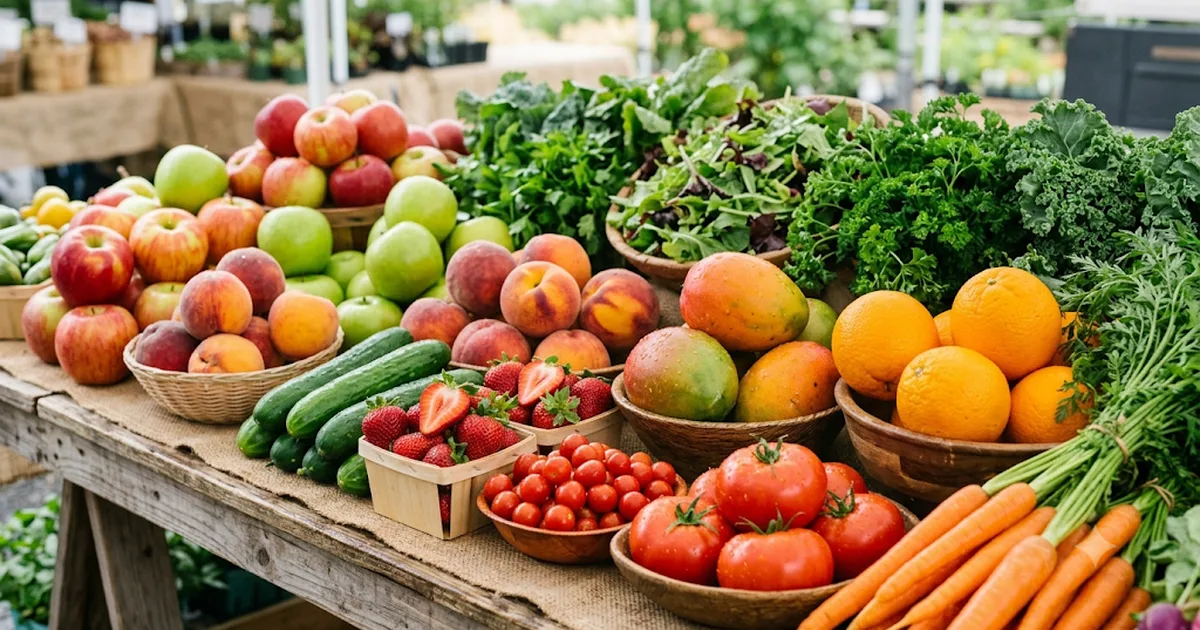
Examples:
- The watermelon was as juicy as a ripe peach.
- The apple was as crisp as a cool autumn morning.
- The mango was as sweet as honey.
- The orange tasted like sunshine on my tongue.
- The lettuce was as fresh as morning air.
- The carrots were as crunchy as fresh sticks.
- The tomatoes looked like little red jewels.
- The cucumber was as cool as a summer breeze.
These comparisons make simple produce descriptions much more interesting.
Food Similes for Breakfast
Breakfast foods can be described through texture, warmth, flavor, and smell.
Examples:
- The pancakes were as fluffy as clouds.
- The waffles were as golden as toast.
- The bacon was as crisp as autumn leaves.
- The oatmeal felt like a warm hug.
- The toast smelled like fresh bread from the oven.
- The scrambled eggs were as soft as a cloud.
These examples are useful for school writing, food blogs, menus, and casual descriptions.
Food Similes for Savory Meals
Savory dishes often have rich, salty, smoky, or spicy flavors.
Examples:
- The burger was like pure comfort on a plate.
- The steak was as tender as butter.
- The pasta was like a warm bowl of happiness.
- The roasted chicken smelled like a family dinner.
- The barbecue tasted like summer at a backyard cookout.
- The rice was as fluffy as freshly fallen snow.
- The grilled vegetables tasted like a summer garden.
These comparisons can make ordinary meal descriptions feel much more vivid.
Creative Food Similes for Street Food
Street food often has strong smells, bold flavors, and exciting textures.
Examples:
- The kebab smelled like a smoky campfire.
- The tacos were like a party in my mouth.
- The fried chicken was as crisp as a golden cracker.
- The spicy chaat exploded like fireworks on my tongue.
- The grilled corn smelled like summer at a fair.
- The loaded fries were like a treasure chest of flavor.
The comparison should match the energy and character of the food.
How to Describe Food Aroma With Similes
Food often makes an impression before you even taste it. A good simile can describe that aroma.
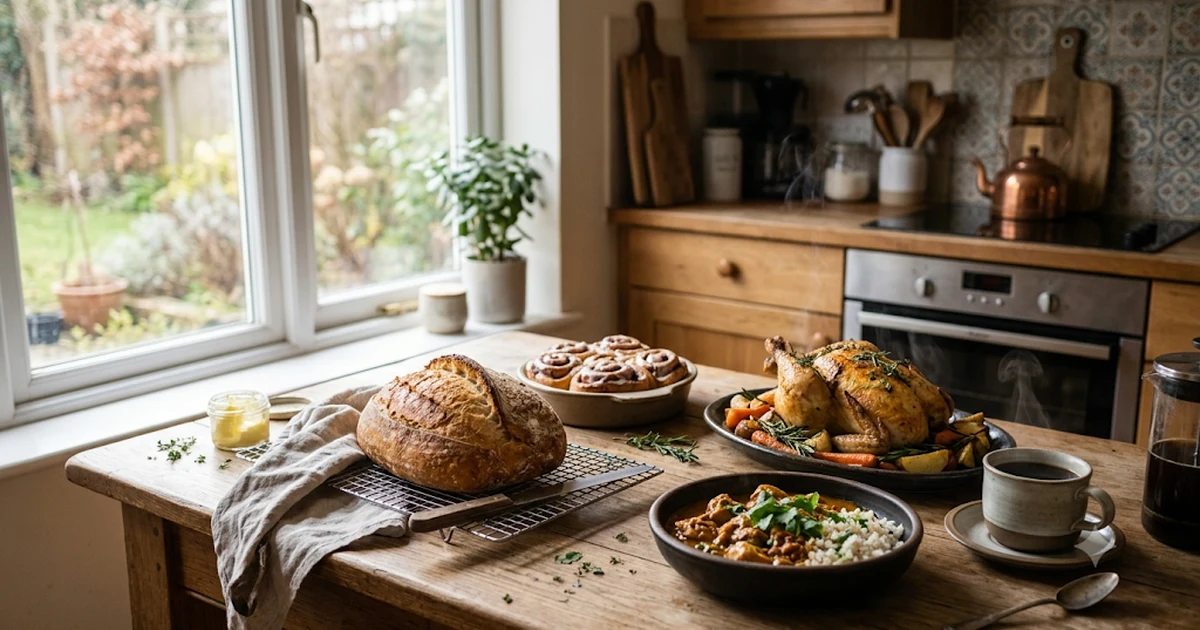
For example:
- The bread smelled like a warm kitchen on a Sunday morning.
- The cinnamon rolls smelled like comfort.
- The curry filled the room like a cloud of warm spices.
- The roasted chicken smelled as inviting as a family dinner.
- The fresh bread aroma drifted through the house like a cozy memory.
- The coffee smell spread through the kitchen like a morning alarm.
Aroma-based similes are especially useful when you want to describe the complete food experience.
Food Similes for Storytelling and Creative Writing
Food can play an important role in stories. A meal can represent celebration, comfort, hunger, family, friendship, or nostalgia.
Try examples like:
- The feast looked like a festival spread across the table.
- The warm bread felt like comfort after a long journey.
- The soup tasted like home after months away.
- The colorful desserts looked like tiny pieces of a rainbow.
- The first bite was like finding an old happy memory.
- The smell of dinner filled the house like a welcome invitation.
These comparisons add emotion instead of simply describing what is on the plate.
Delicious Food Similes for Food Reviews and Blogs
Food bloggers need descriptions that sound appealing without becoming exaggerated.
Instead of writing:
The burger was really good.
Try:
The burger was juicy and smoky, with flavors that came together like a perfect team.
Other examples include:
- The fries were as crisp as freshly fallen leaves.
- The burger tasted like pure comfort on a plate.
- The sauce was like a bold splash of flavor.
- The dessert melted in my mouth like warm chocolate.
- The lemonade tasted like sunshine on a hot afternoon.
- The steak was tender like butter and rich with smoky flavor.
The key is to describe the actual experience rather than adding a random comparison.
Food Similes for Everyday Conversation
You do not need a long or fancy sentence when talking about food with friends or family.
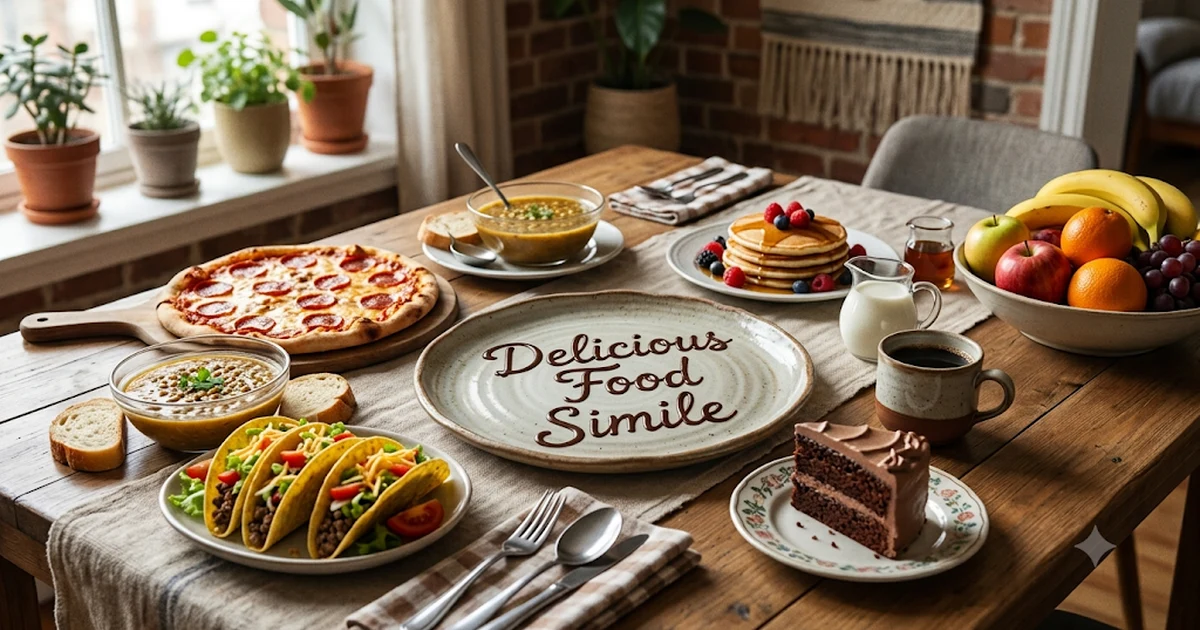
Try short examples like:
- This cake is as sweet as honey.
- These fries are as crispy as crackers.
- This soup is like a warm hug.
- That pizza is like a party in my mouth.
- This coffee is as strong as a storm.
- That mango is as sweet as candy.
- These pancakes are fluffy like clouds.
Short similes are easy to remember and sound natural in casual conversation.
Simile vs Metaphor in Food Writing
Similes and metaphors are both used to make descriptions more vivid, but they work differently.
A simile directly compares two things using words such as like or as.
Simile: The soup was like a warm hug.
A metaphor makes the comparison directly without using like or as.
Metaphor: The soup was a warm hug.
Another example:
Simile: The chocolate was as smooth as silk.
Metaphor: The chocolate was silk on my tongue.
Knowing the difference can help students and writers use both forms more confidently.
How to Use Like and As in Food Similes
Food similes often use like and as in slightly different structures.
With as, the usual pattern is:
as + adjective + as
Examples:
- As sweet as honey
- As soft as a marshmallow
- As crisp as an apple
- As creamy as ice cream
With like, the comparison often connects the food to an object, feeling, or experience.
Examples:
- Like a warm hug
- Like sunshine in a bowl
- Like fireworks in my mouth
- Like chocolate melting on my tongue
Both forms can make food descriptions more expressive.
How to Create Your Own Delicious Food Similes
Creating your own similes is easier than it sounds.
Step 1: Choose the food
Start with something specific.
For example:
Chocolate cake
Step 2: Notice its main quality
Ask yourself what stands out.
Is it:
- Sweet?
- Soft?
- Creamy?
- Rich?
- Warm?
- Crunchy?
- Spicy?
- Fresh?
Suppose the cake is very soft.
Step 3: Think of something familiar
What else is soft?
A cloud, pillow, marshmallow, or blanket.
Step 4: Build the comparison
Now connect the two.
The chocolate cake was as soft as a marshmallow.
Step 5: Make it natural
Do not force a comparison just because it sounds creative. The best simile should make sense with the food.
How to Turn Basic Food Descriptions Into Better Similes
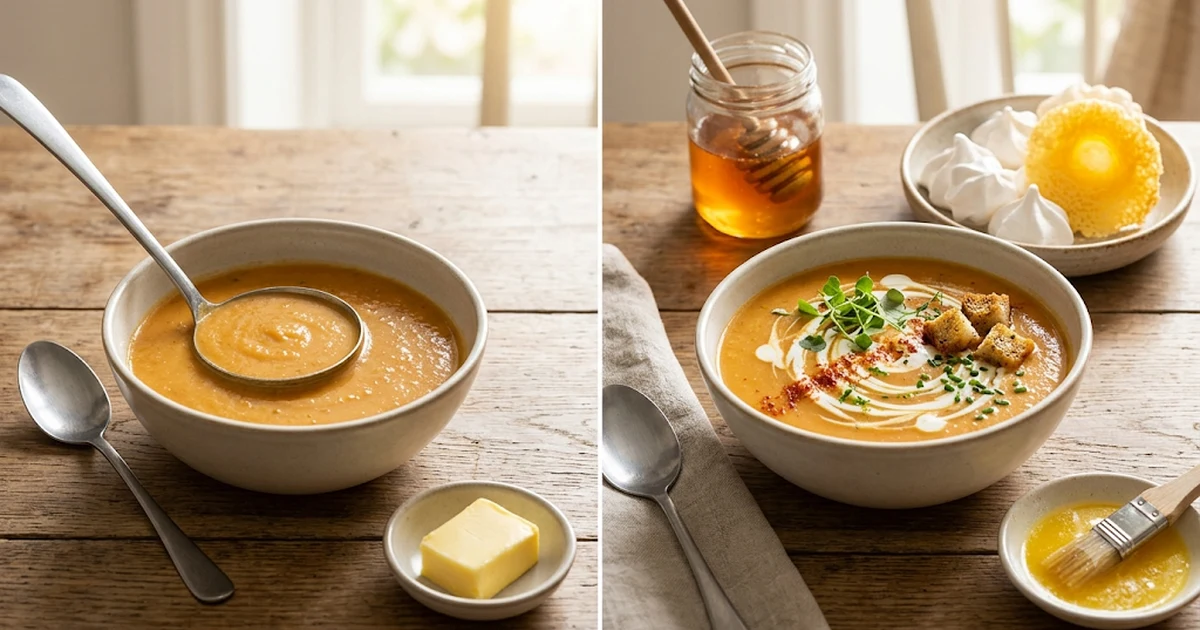
A simple sentence can usually become more vivid with one good comparison.
Basic: The soup was good.
Better: The soup tasted like a warm hug.
Basic: The cake was sweet.
Better: The cake was as sweet as honey.
Basic: The pancakes were soft.
Better: The pancakes were as fluffy as clouds.
Basic: The salsa was spicy.
Better: The salsa hit my tongue like a spark of fire.
The goal is not to make every sentence fancy. One strong comparison can do more than several weak ones.
Common Mistakes When Using Food Similes
Food similes are simple, but there are a few mistakes worth avoiding.
Using too many similes
Putting several comparisons into every sentence can make your writing feel crowded. Choose one strong image instead.
Using an unrelated comparison
Your simile should match the food.
For example, calling a crunchy chip “as soft as a cloud” creates confusion unless you are intentionally making a joke.
Repeating the same simile
Phrases such as “as sweet as honey” are useful, but using the same comparison repeatedly can make your writing predictable.
Making the comparison too complicated
Readers should understand your simile quickly. A simple comparison is often more effective than an unusual one that needs explanation.
Describing only taste
Remember that food also has texture, aroma, temperature, appearance, and emotional associations.
Making every food sound perfect
Not every dish needs to sound amazing. Natural writing can mention one specific quality instead of calling everything delicious.
For example:
The soup was warm and savory, with a smoky flavor that reminded me of a backyard barbecue.
This sounds more believable than using three exaggerated comparisons in one sentence.
How Many Food Similes Should You Use?
There is no fixed number, but one or two strong similes are usually enough for a short paragraph.
If you are writing a food review, use comparisons where they add something useful. Do not add a simile to every sentence.
For example:
The restaurant served a warm bowl of tomato soup. It tasted like a cozy evening at home, with a slightly smoky flavor and fresh herbs on top.
One memorable comparison is enough to create the feeling.
Time Simile With Meaning, Examples, and Writing Tips
Exercise: Practice Your Food Similes
Complete each sentence with the best food simile.
- The apple I had at lunch was __________, just the way I like it.
- My mom’s chicken soup tasted __________ after playing in the snow.
- That cupcake was __________. It made my mouth so happy.
- This mac and cheese is __________. I love all that gooey topping.
- The chili at the fair was __________. I had to drink water right away.
- My grandma’s cookies were __________, better than anything at the store.
- That cold lemonade tasted __________ after soccer practice.
- The pancakes this morning were __________, so light and soft.
- That steak was __________, cooked just right and full of flavor.
- The smoothie was __________. I could taste berries, bananas, and mango.
- The caramel sauce was __________ and stuck to the spoon.
- The fresh bread smelled __________ as soon as I walked into the kitchen.
- The ice cream was __________ after being outside in the summer heat.
- The barbecue chicken tasted __________, with a deep smoky flavor.
- The fruit salad looked __________, with red berries, yellow mango, and green grapes.
Answer Key
- as crisp as a fresh apple
- like a warm hug
- like a party in my mouth
- as cheesy as a pizza slice
- as spicy as a firecracker
- as tasty as homemade cooking
- like sunshine in a bowl
- as fluffy as a cloud
- as tender as butter
- like a fruit basket in every bite
- as sticky as maple syrup
- like fresh bread from the oven
- as cold as winter air
- like a backyard barbecue
- like a rainbow on a plate
Tips for Writing Memorable Food Similes
A good food simile does not need to be complicated. Keep these tips in mind:
- Choose familiar comparisons.
- Focus on one strong quality.
- Match the comparison to the food.
- Use sensory details.
- Think about emotions as well as taste.
- Avoid stuffing several similes into one sentence.
- Read the sentence aloud to see if it sounds natural.
- Create original comparisons when a common phrase feels too predictable.
- Describe the food honestly.
- Use the comparison to add meaning rather than decoration.
The strongest similes often come from real experiences. Think about what the food actually reminds you of, then turn that feeling into a comparison.
Conclusion
Delicious food similes can turn an ordinary food description into something readers can almost taste. Instead of simply saying that a meal is sweet, spicy, creamy, crunchy, smoky, or delicious, you can give readers a familiar image that explains the experience.
A cake can be as sweet as honey. A bowl of soup can feel like a warm hug. Fresh fruit can be like sunshine in a bowl, while spicy salsa can be like fireworks in your mouth.
The best part is that you do not need complicated vocabulary to create strong similes. Start with what you notice about the food. Think about something familiar that shares the same quality. Then make the comparison natural.
Whether you are writing a school assignment, creating a food blog, reviewing a restaurant, writing a story, or simply talking about your favorite meal, the right simile can make your words more colorful, expressive, and memorable.
FAQs About Delicious Food Similes
What is a food simile?
A food simile compares food with something else using words such as like or as. It can describe taste, texture, smell, appearance, temperature, or the feeling a food creates.
What is an example of a delicious food simile?
“As sweet as honey” is a simple example. You could also say, “The soup tasted like a warm hug.”
What are the best similes for delicious food?
Some useful choices are “as sweet as honey,” “like a warm hug,” “as smooth as butter,” “as fluffy as a cloud,” and “like fireworks in my mouth.”
Why are similes useful when describing food?
Similes make food descriptions more vivid. Instead of simply telling readers that something tastes good, they help readers imagine the actual experience.
What is a good simile for sweet food?
“As sweet as honey” is a classic choice. You can also create your own comparison, such as “The frosting tasted like candy on my tongue.”
What is a good simile for spicy food?
“As spicy as a firecracker” and “like a spark of fire” are useful ways to describe food with a strong spicy kick.
How can I describe food texture with a simile?
Think about how the food feels when you bite or chew it. You can use comparisons such as “as smooth as butter,” “as fluffy as a cloud,” or “as crisp as a fresh apple.”
How can I describe food smell with a simile?
Think about what the smell reminds you of. You might say, “The bread smelled like a warm kitchen” or “The coffee aroma spread through the room like a morning welcome.”
Can I use food similes in everyday conversation?
Yes. Short comparisons such as “This cake is as sweet as honey” or “These tacos are like a party in my mouth” work naturally in casual conversations.
Are food similes useful for food blogs?
Yes. Food similes can make reviews more vivid and help readers imagine a dish before they try it.
Can I create my own food similes?
Absolutely. Notice the food’s main quality, think of something familiar with the same quality, and connect the two using like or as.
What makes a food simile good?
A good food simile is clear, relatable, relevant, and easy to picture. It should add something meaningful to the description rather than simply making the sentence sound fancy
