
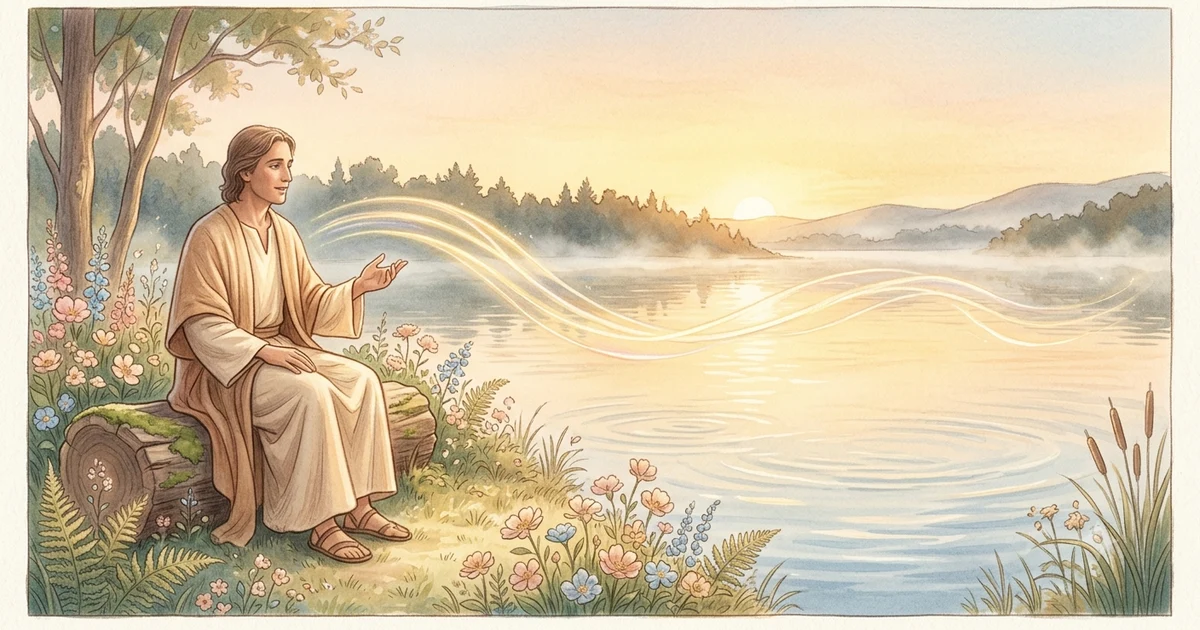
Introduction
Some voices stay in our memories long after the conversation ends. A gentle voice can make people feel calm, safe, understood, or hopeful. It may belong to a caring parent, a patient teacher, a trusted friend, a kind grandparent, or a character in a story. However, simply writing, “She had a gentle voice,” does not give readers much to imagine.
A well-chosen simile can make the description more vivid.
Compare these sentences:
Plain: She had a gentle voice.
More descriptive: Her voice flowed through the room like a quiet stream beneath the morning sun.
The second sentence gives readers a clearer picture of the voice. It suggests softness, calmness, and comfort without explaining every feeling directly.
Whether you are writing a story, poem, essay, speech, school assignment, or social media caption, gentle voice similes can make your words more expressive. This guide includes more than 60 examples, clear meanings, practical writing advice, common mistakes to avoid, and simple steps for creating original comparisons.
Quick Answer
A simile for a gentle voice compares a soft, calm, kind, or comforting voice to something familiar by using the words “like” or “as.” These comparisons help readers imagine both how the voice sounds and how it makes people feel.
For example:
Her voice was as soft as snow settling on the ground.
This simile suggests that her voice was quiet, delicate, and peaceful. Gentle voice similes are useful in fiction, poetry, speeches, essays, character descriptions, and everyday writing because they turn a simple description into a memorable image.
What Is a Simile for a Gentle Voice?
A simile is a figure of speech that compares two different things using like or as. Writers use similes to make ideas easier to picture and emotions easier to understand.
For example:
His voice was like a warm breeze on a cool morning.
The voice is not literally a breeze. The comparison helps readers imagine that it feels calm, pleasant, and comforting.
When writers describe a gentle voice, they often focus on qualities such as:
- Softness
- Warmth
- Calmness
- Kindness
- Patience
- Comfort
- Peacefulness
- Tenderness
- Smoothness
- Emotional reassurance
A strong simile does more than describe volume. A quiet voice can feel nervous, sad, secretive, or gentle. The best comparison shows the emotion and atmosphere behind the sound.
For example:
Her voice was quiet.
This tells readers only that the voice was low.
Her voice rested over the room like warm sunlight through a window.
This suggests that the voice was gentle, welcoming, and comforting.
Why Writers Use Similes for a Gentle Voice
Similes help writers create stronger descriptions without using long explanations. Instead of listing several qualities, one clear comparison can communicate sound, emotion, and mood at the same time.
Writers use gentle voice similes to:
- Create memorable characters
- Add emotion to dialogue
- Build a calm or comforting atmosphere
- Show kindness without directly stating it
- Make poems more musical
- Improve descriptive essays
- Help readers connect with a scene
- Turn ordinary sentences into vivid images
For example:
Basic: The teacher spoke softly.
More vivid: The teacher’s voice moved through the classroom like a calm river, helping the nervous students relax.
The second sentence describes both the sound of the voice and its effect on others.
How to Choose the Right Simile
The best simile depends on the voice, the speaker, and the mood of the scene. Before choosing a comparison, ask yourself three questions.
What Does the Voice Sound Like?
Is it:
- Soft?
- Warm?
- Smooth?
- Light?
- Musical?
- Quiet?
- Slow and steady?
A soft voice may be compared to falling snow, while a musical voice may be compared to distant wind chimes.
What Feeling Does the Voice Create?
Does it bring:
- Peace?
- Comfort?
- Trust?
- Hope?
- Joy?
- Safety?
- Sadness?
The emotional effect should guide the comparison.
For example:
Her voice felt like a familiar song after a difficult day.
This suggests comfort and emotional reassurance.
What Is Happening in the Scene?
A bedtime story may need a warm and peaceful image:
Grandma’s voice was as soft as a blanket tucked around a sleepy child.
A serious conversation may need a calm image:
His voice remained as steady as a quiet lake at dawn.
A poem may use richer imagery:
Her whisper drifted like moonlight across an empty field.
The simile should support the mood instead of distracting from it.
60+ Similes for a Gentle Voice
Soft and Peaceful Similes
| Simile | Meaning |
|---|---|
| As soft as falling snow | Very quiet and peaceful |
| Like a quiet stream | Calm and smooth |
| As gentle as a spring breeze | Light and pleasant |
| Like rain falling on leaves | Soft and relaxing |
| As calm as still water | Peaceful and steady |
| Like morning mist over a lake | Light and delicate |
| As quiet as a forest at dawn | Deeply peaceful |
| Like clouds drifting across the sky | Slow and soothing |
| As gentle as evening light | Warm and calm |
| Like waves touching the shore | Steady and relaxing |
Warm and Comforting Similes
| Simile | Meaning |
|---|---|
| Like warm tea on a cold day | Comforting and reassuring |
| As cozy as a favorite blanket | Safe and familiar |
| Like sunlight after rain | Hopeful and uplifting |
| As welcoming as a familiar home | Friendly and comforting |
| Like fresh bread from the oven | Warm and pleasant |
| As soothing as a bedtime story | Calm and reassuring |
| Like a lamp glowing in a dark room | Gentle and hopeful |
| As comforting as a familiar song | Emotionally reassuring |
| Like a quiet fire on a winter evening | Warm and peaceful |
| As kind as a handwritten note | Thoughtful and personal |
Nature-Inspired Similes
Nature provides many images that feel calm, gentle, and easy to understand.
| Simile | Meaning |
|---|---|
| Like petals floating in the breeze | Delicate and graceful |
| As soft as dew on a flower | Light and gentle |
| Like lavender carried by the wind | Calm and pleasant |
| As peaceful as a mountain lake | Deeply relaxing |
| Like leaves settling on the ground | Quiet and unhurried |
| As gentle as rain in early spring | Fresh and soothing |
| Like birds greeting the sunrise | Light and cheerful |
| As calm as the sky after a storm | Peaceful and reassuring |
| Like moonlight resting on water | Soft and graceful |
| As delicate as a butterfly’s wings | Light and fragile |
Musical Similes
These comparisons are useful when a gentle voice sounds beautiful, smooth, or melodic.
| Simile | Meaning |
|---|---|
| Like distant wind chimes | Light and pleasant |
| As soft as a quiet lullaby | Gentle and comforting |
| Like a piano playing in another room | Calm and beautiful |
| As smooth as a slow melody | Easy and pleasant to hear |
| Like a flute drifting across a field | Light and musical |
| As gentle as a song before sleep | Peaceful and reassuring |
| Like the final note of a beautiful song | Memorable and delicate |
| As warm as an old melody | Familiar and comforting |
| Like a violin played softly at sunset | Emotional and graceful |
| As peaceful as a quiet choir | Calm and harmonious |
Poetic and Creative Similes
These examples use richer imagery and work well in poems, novels, and descriptive writing.
- Her voice moved like candlelight across silent walls.
- His whisper drifted like silver mist through the valley.
- Her words opened like flowers after spring rain.
- His voice settled like twilight over distant hills.
- She spoke like stars appearing in the evening sky.
- Her voice shimmered like frost beneath the sunrise.
- His words floated like lanterns over a quiet river.
- Her whisper passed like a feather through still air.
- His voice glowed like embers beneath soft ashes.
- Her words unfolded like the pages of a treasured book.
Cute and Child-Friendly Similes
These simple comparisons are suitable for children’s stories, school writing, and cheerful descriptions.
- Her voice was as sweet as warm cookies from the oven.
- He spoke like a sleepy kitten waking from a nap.
- Her laughter floated like bubbles in the sunshine.
- His voice was as soft as a fluffy cloud.
- She spoke like a tiny bell ringing in the distance.
- His words bounced like popcorn in a pan.
- Her voice was as gentle as a baby bird learning to sing.
- He whispered like a butterfly landing on a flower.
- Her laughter sparkled like birthday candles.
- His voice was as cozy as pajamas on a rainy day.
Emotional and Comforting Similes
A gentle voice can provide courage, hope, and emotional support.
- Her voice arrived like hope after a difficult day.
- His words felt like peace after a noisy argument.
- She spoke like someone carefully repairing a treasured memory.
- His voice was like a safe place during a storm.
- Her whisper came like sunlight through heavy clouds.
- His words settled like warmth returning to cold hands.
- She spoke like a friend who understood without asking questions.
- His voice felt like a familiar path leading home.
- Her gentle words were like calm after a long journey.
- His voice brought comfort like a light left on at night.
Gentle Voice Similes in Complete Sentences
A list of comparisons is useful, but complete sentences show how to use them naturally.
The librarian welcomed every visitor with a voice like warm tea on a rainy afternoon.
Even during the disagreement, his voice remained as calm as still water.
The child answered in a voice as soft as a baby bird greeting the morning.
Her grandmother’s words flowed like a quiet stream, making every story feel safe and familiar.
The teacher’s voice moved through the classroom like gentle rain, helping the students feel less nervous.
His whisper drifted across the room like a feather carried by a summer breeze.
When she began to sing, her voice rose like birds greeting the sunrise.
Her voice was like a familiar song, bringing comfort before anyone understood why.
Create a warm, peaceful, and visually engaging editorial illustration showing several gentle voice moments in one harmonious scene: a friendly librarian welcoming a visitor, a caring grandmother telling a story, a calm teacher speaking to relaxed students, a young child answering softly, and a singer performing with a gentle expression. Show each voice as subtle, flowing sound waves that resemble a quiet stream, gentle rain, floating feathers, and soft musical notes. Use warm natural lighting, a calm atmosphere, elegant storybook-style details, and a clean, balanced composition. Keep the characters expressive and relatable without making the image crowded. Leave clear open space for a website headline. Make the image suitable for an educational article section titled “Gentle Voice Similes in Complete Sentences.” Do not include any text, letters, logos, watermarks, or speech bubbles.
Similes for Different Characters
A Child
The little boy spoke like a tiny bell ringing softly in the morning.
A Parent
Her mother’s voice was as comforting as a blanket on a cold night.
A Grandparent
Grandpa’s voice flowed like an old story told beside a warm fire.
A Teacher
The teacher spoke like a calm river, guiding every student forward.
A Friend
Her friend’s voice felt like a familiar path leading home.
A Storyteller
The storyteller’s voice moved like candlelight, keeping every listener quietly focused.
A Singer
His singing floated like mist above a peaceful lake.
How to Create Your Own Gentle Voice Similes
You do not need to memorize every example. You can create original similes by following four simple steps.
Step 1: Identify the Voice Quality
Choose the main quality:
- Soft
- Warm
- Calm
- Musical
- Tender
- Comforting
For example:
Her voice was warm.
Step 2: Think About the Feeling
Ask what the voice makes people feel.
Does it create:
- Safety?
- Peace?
- Hope?
- Joy?
- Trust?
Suppose the voice creates comfort.
Step 3: Choose a Familiar Image
Think of something that creates the same feeling:
- A warm drink
- A favorite song
- A quiet home
- A soft blanket
- Morning sunlight
Step 4: Build the Simile
Combine the voice and image using like or as:
Her voice was like warm tea on a cold morning.
Or:
His words were as comforting as a favorite song.
The best original similes are clear, natural, and connected to the scene.
Common Mistakes to Avoid
Using Too Many Similes
Several comparisons in one sentence can make writing feel crowded.
Weak:
Her voice was like silk, like honey, like sunshine, like feathers, and like music.
Better:
Her voice drifted through the room like quiet rain on a summer evening.
One strong image is usually more memorable.
Choosing an Image That Does Not Match
The comparison should fit the voice.
Weak:
Her gentle voice was like a speeding race car.
This image suggests speed, noise, and energy rather than gentleness.
Better:
Her gentle voice was like a breeze moving through tall grass.
Using Only Common Clichés
Phrases such as “sweet as honey” and “soft as silk” are not wrong, but they may feel predictable when repeated often.
Try a more specific image:
Her voice was like a page turning quietly in an empty library.
Ignoring the Scene’s Mood
A playful comparison may not fit a serious moment.
For a sad scene:
Her voice fell like quiet rain against an old window.
For a cheerful scene:
Her laughter floated like bubbles in the sunshine.
Always choose imagery that supports the atmosphere.
Simile vs. Metaphor for a Gentle Voice
| Feature | Simile | Metaphor |
|---|---|---|
| Comparison style | Uses “like” or “as” | Makes a direct comparison |
| Example | Her voice was like gentle rain. | Her voice was gentle rain. |
| Effect | Clear and easy to picture | Stronger and more direct |
| Best use | Stories, essays, and descriptive writing | Poetry and dramatic writing |
Both can be effective. A simile usually feels clearer, while a metaphor can feel more powerful or poetic.
Writing Practice
Try improving these plain descriptions.
Plain:
She spoke quietly.
Improved:
She spoke like rain falling softly on the roof.
Plain:
His voice was calm.
Improved:
His voice flowed like a peaceful river beneath the morning sun.
Plain:
The child whispered.
Improved:
The child whispered like a butterfly resting on a flower.
Plain:
The singer had a beautiful voice.
Improved:
The singer’s voice floated like moonlight across a quiet lake.
Now create your own simile by choosing:
- A voice quality
- An emotion
- A familiar image
- The word like or as
- Final Thoughts
- A gentle voice is more than a quiet voice. It may express kindness, patience, warmth, trust, comfort, wisdom, or hope. The right simile helps readers experience those qualities instead of simply being told about them.
- When choosing a simile for a gentle voice, focus on the emotion of the scene. A comforting moment may call for warm imagery, while a peaceful scene may work better with nature. A poem may benefit from imaginative language, while a school assignment may need a simple and clear comparison.
- The strongest gentle voice similes are natural, specific, and emotionally meaningful. Use familiar images, avoid unnecessary repetition, and choose one comparison that fits the moment. With practice, you can create descriptions that readers do not just understand but can almost hear and feel.
Frequently Asked Questions
What is a simile for a gentle voice?
A simile for a gentle voice compares a soft, calm, or comforting voice to something familiar using like or as. For example:
Her voice was as soft as falling snow.
What are some good similes for a soft voice?
Examples include:
- Like gentle rain
- As soft as falling snow
- Like a quiet stream
- As calm as still water
- Like a warm breeze
- As gentle as evening light
Why do writers use similes to describe voices?
Similes help readers imagine how a voice sounds and how it affects others. They add emotion, atmosphere, and personality to writing.
Can I use gentle voice similes in school writing?
Yes. Simple comparisons can improve stories, poems, descriptive paragraphs, speeches, and creative assignments.
Are nature-based voice similes effective?
Yes. Images involving rain, rivers, wind, flowers, forests, and sunlight are easy to understand and often create a peaceful mood.
What is the difference between a simile and a metaphor?
A simile uses like or as, while a metaphor makes a direct comparison.
Simile: Her voice was like gentle rain.
Metaphor: Her voice was gentle rain.
Should I use a simile in every description?
No. Similes are most effective when used purposefully. Too many comparisons can make writing feel repetitive or distracting.
How can I create an original simile?
Think about how the voice sounds, what emotion it creates, and what familiar image produces the same feeling. Then connect them with like or as.
