

Introduction
Life is something everyone experiences, but no two journeys are exactly the same. Some days are filled with happiness and success. Others bring challenges, disappointment, or unexpected change. Because life is so complex, it can be difficult to describe it with simple words alone.
That is where similes become useful.
A well-written simile gives readers a clear picture instead of a plain statement. Imagine reading the sentence, “Life is hard.” It tells you something, but it doesn’t create an image. Now compare it with “Life is like climbing a mountain. Every step takes effort, but the view from the top makes it worthwhile.” The second sentence feels more personal and memorable because readers can picture the climb and relate it to their own experiences.
People use life similes in many situations. Students include them in essays to make their writing more interesting. Authors use them to create emotion in stories. Public speakers rely on them to inspire audiences, while everyday conversations become more engaging when a simple comparison paints a stronger picture than plain words ever could.
The best part is that you don’t need to be a professional writer to use them well. A simple comparison can explain an idea better than a long paragraph if it feels natural and matches the situation.
In this guide, you’ll learn what life similes are, how they differ from metaphors, why they make writing more powerful, and you’ll discover a collection of meaningful life similes with clear explanations and real-life examples that you can use in your own writing.
Quick Answer
Similes for life are comparisons that describe life by using the words “like” or “as.” They help explain emotions, experiences, dreams, struggles, and personal growth in a way that readers can easily picture. Instead of simply saying life is difficult or beautiful, you can say “life is like a winding road” or “life is as bright as the morning sun.” These comparisons make writing more vivid, relatable, and memorable. Whether you’re writing an essay, giving a speech, creating a poem, or simply expressing your thoughts, life similes can turn ordinary sentences into meaningful ones that connect with readers on a deeper level.
What Are Similes for Life?
A simile for life is a comparison that helps explain life by relating it to something familiar. It always uses the words “like” or “as” to connect two different things that share a similar quality.
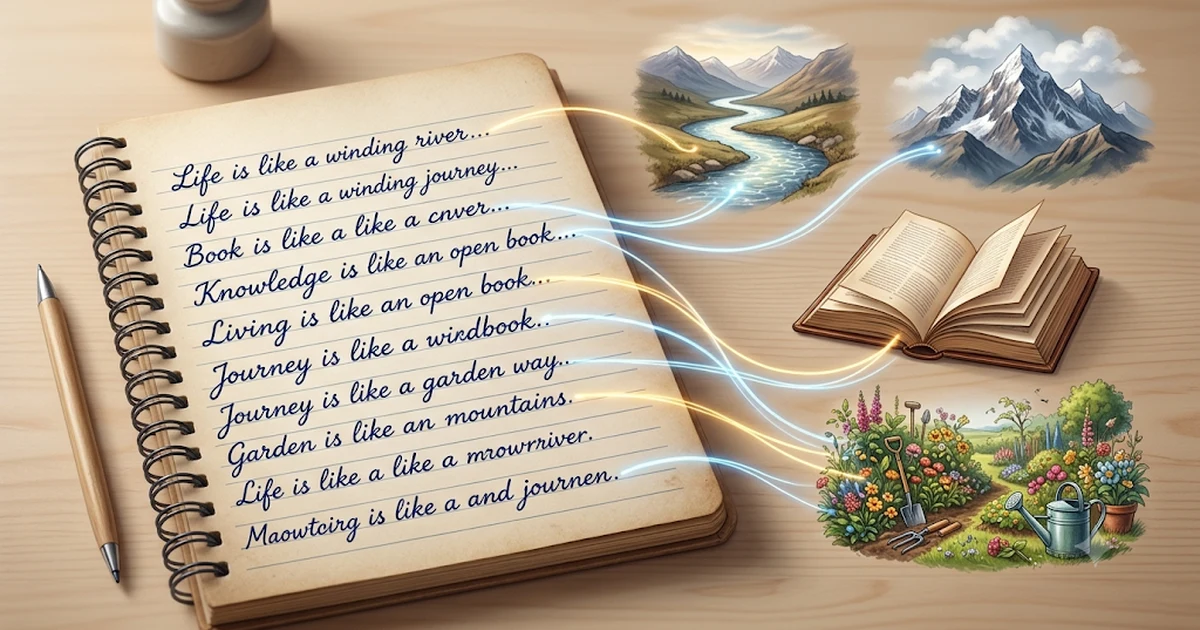
For example:
- Life is like a journey.
- Life is like a river.
- Life is as unpredictable as the weather.
These comparisons are easy to understand because most people have experienced traveling, watching a river flow, or seeing the weather change. By connecting life with familiar experiences, writers help readers imagine emotions and ideas more clearly.
Life similes can describe almost every part of human experience. They can show growth, hope, love, fear, change, success, failure, patience, and resilience. A single comparison often says more than several ordinary sentences because it creates an image that stays in the reader’s mind.
For example, saying “Life is like a garden” suggests that good things take time, effort, and care to grow. Saying “Life is like the ocean” reminds readers that calm moments and storms are both natural parts of living.
Good life similes share three important qualities.
First, they are easy to understand.
Second, they create a clear mental picture.
Third, they fit naturally into the sentence instead of sounding forced.
When these qualities come together, even a simple sentence becomes more engaging and memorable.
Simile vs. Metaphor: What’s the Difference?
Many people confuse similes with metaphors because both compare one thing to another. The difference is simple.
A simile uses the words “like” or “as.”
A metaphor makes a direct comparison without using those words.
Here are a few examples.
| Simile | Metaphor |
|---|---|
| Life is like a journey. | Life is a journey. |
| Life is like an open book. | Life is an open book. |
| Life is as unpredictable as the wind. | Life is the wind. |
| Life is like a roller coaster. | Life is a roller coaster. |
Neither is better than the other. They simply create different effects.
Similes are usually easier to understand because they clearly show that a comparison is being made. Metaphors often sound stronger and more dramatic because they treat the comparison as if it were literally true.
For beginners and everyday writing, similes are usually the safer choice because they sound natural and are easy for readers of all ages to understand.
Why Writers Use Similes About Life
Life is filled with emotions that are sometimes difficult to describe. Happiness, hope, disappointment, fear, excitement, and personal growth are all experiences that people feel differently. Similes help bridge that gap by turning abstract emotions into familiar images.

Think about these two sentences.
Life changed quickly after graduation.
Now compare it with this one.
Life changed like the weather, bringing sunshine one day and unexpected storms the next.
The second sentence creates movement and emotion. Readers can picture changing skies, making the idea easier to understand.
That is why similes appear in novels, speeches, songs, poems, blogs, classroom assignments, and even everyday conversations.
They also make writing more memorable. Readers often forget ordinary statements, but they remember vivid comparisons because those images stay with them long after they finish reading.
Some of the biggest benefits of using life similes include:
- They make complex ideas easier to understand.
- They add emotion without using complicated language.
- They help readers picture your message.
- They make essays and stories more engaging.
- They improve speeches by making ideas easier to remember.
- They encourage readers to connect emotionally with your writing.
The key is balance. A few thoughtful similes usually have a stronger impact than filling every paragraph with comparisons.
A Quick Comparison of Popular Life Similes
Before exploring individual examples, here’s a quick look at some of the most common life similes and what they represent.
| Simile | Represents | Best Used For |
| Life is like a journey | Growth and progress | Essays, speeches, motivation |
| Life is like a roller coaster | Ups and downs | Personal stories |
| Life is like a river | Constant change | Inspirational writing |
| Life is like a puzzle | Learning and discovery | Education and self-improvement |
| Life is like climbing a mountain | Hard work and success | Motivation |
| Life is like a garden | Patience and care | Personal growth |
| Life is like the weather | Uncertainty | Everyday conversations |
| Life is like a book | New beginnings | Graduation speeches |
| Life is like the ocean | Calm and challenges | Creative writing |
| Life is like a canvas | Personal choices | Inspirational content |
These comparisons are popular because they connect life with experiences that almost everyone understands. They also work in many different kinds of writing, from school assignments to novels and motivational speeches.
Different Types of Life Similes
Not every life simile describes the same experience. Some focus on personal growth, while others highlight change, happiness, or overcoming challenges. Understanding these categories makes it easier to choose the right comparison for your writing.
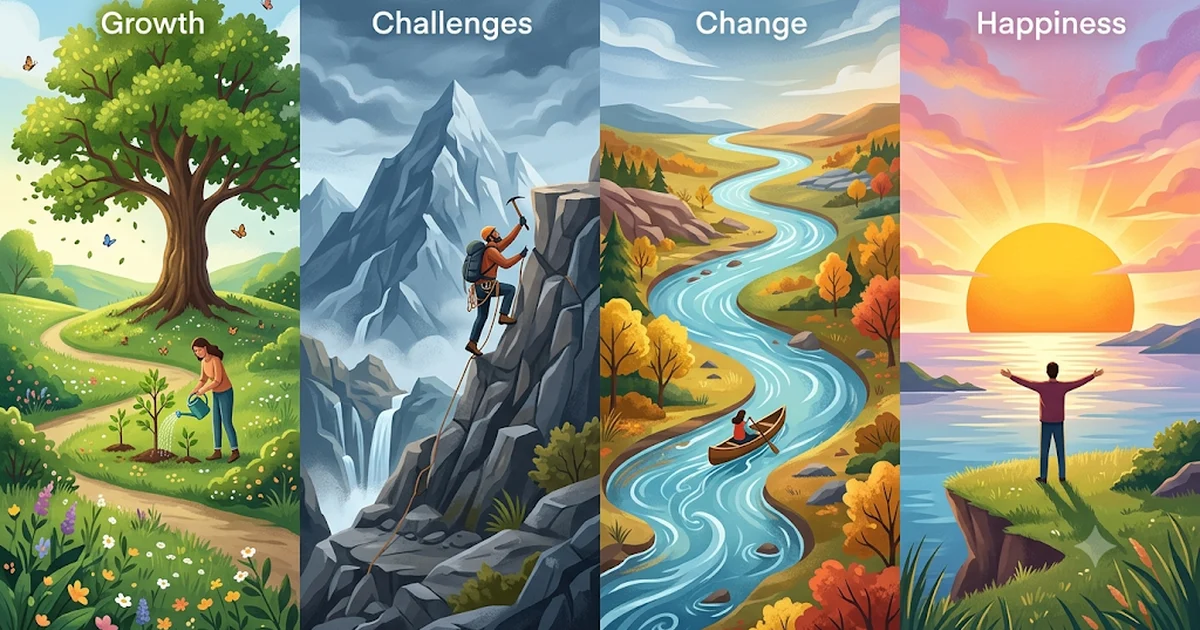
Similes About Growth
Growth doesn’t happen overnight. It takes patience, learning, and experience. Similes in this category often compare life to things that naturally develop over time, such as trees, gardens, or long journeys.
These comparisons work well in graduation speeches, self-improvement articles, and personal essays because they remind readers that progress is usually slow but meaning.
About Change
Life rarely stays the same for long. New jobs, moving to another city, graduating, becoming a parent, or starting over all bring change.
Comparisons involving rivers, seasons, weather, and winding roads help explain how change is a natural part of life instead of something to fear.
Similes About Happiness and Hope
Positive life similes often compare happiness to sunshine, blooming flowers, rainbows, or a beautiful sunrise.
These comparisons create warm, optimistic images that work especially well in inspirational writing and personal reflections.
In the next section, we’ll explore 35 carefully chosen similes for life, complete with their meanings, real-life examples, and practical ways to use them naturally in your own writing.
35 Best Similes for Life with Meanings and Examples
Now that you know what life similes are and why they matter, let’s explore some of the best examples. Each one highlights a different part of life, from growth and happiness to change, hard work, and hope.
Similes About Growth and Personal Development
1. Life is like a journey.
Meaning: Life is made up of different stages, each with its own lessons.
Example: Moving away for college taught me that life is like a journey where every stop helps you grow.
2. Climbing a mountain.
Meaning: Success takes patience, determination, and hard work.
Example: Starting a small business felt like climbing a mountain, but every step brought me closer to my goal.
3. A garden.
Meaning: Good things grow with care, patience, and consistent effort.
Example: Strong friendships reminded me that life is like a garden. The more attention you give, the more beautiful it becomes.
4. Like a tree.
Meaning: Growth takes time, and strong roots create lasting success.
Example: Years of learning helped her life grow like a healthy tree.
5. Life is like writing a book.
Meaning: Every decision creates the next chapter of your story.
Example: After changing careers, he felt like he had started an exciting new chapter because life is like writing a book.
6. Like building a house.
Meaning: A successful life is built one step at a time.
Example: Saving a little money every month proved that life is like building a house, one brick at a time.
25. A mirror.
Meaning: Your actions often come back to you.
Example: Helping others reminded him that life is like a mirror. Kindness usually finds its way back.
26. A clock.
Meaning: Time never stops moving.
Example: Watching my children grow made me realize that life is like a clock that never pauses.
27. A canvas.
Meaning: You create your future through your choices.
Example: She treated every new opportunity like another brushstroke because life is like a canvas.
28. A treasure hunt.
Meaning: Great rewards require effort and patience.
Example: Years of hard work finally paid off because life is like a treasure hunt.
29. Life is like reading a map.
Meaning: A clear direction helps you reach your goals.
Example: Setting yearly goals reminded me that life is like reading a map
More Creative Life Similes
31.Daily Life is as valuable as gold.
Meaning: Every moment is precious.
Example: Spending time with grandparents reminded us that life is as valuable as gold.
32. Life is as unpredictable as lightning.
Meaning: Things can change without warning.
Example: One phone call changed everything because life is as unpredictable as lightning.
33. A dance.
Meaning: Balance matters more than perfection.
Example: Marriage taught them that life is like a dance where both people learn together.
34. A campfire.
Meaning: Relationships become stronger when they are cared for.
Example: Family traditions proved that life is like a campfire. It grows warmer when everyone contributes.
35. A blank notebook.
Meaning: Every new day gives you another chance to write your story.
Example: On her birthday, she smiled because life felt like a blank notebook waiting for new memories.
Daily Life Similes in Everyday Writing
Life similes appear almost everywhere. Novelists use them to help readers connect with characters. Poets use them to express emotions in a memorable way. Teachers encourage students to include them in essays because they make ideas clearer. Motivational speakers rely on them to inspire audiences, while people often use them in daily conversations without even realizing it.
For example, someone starting a new job might say, “Life feels like a fresh chapter.” A parent might tell a child, “Life is like riding a bike. You’ll get better with practice.” These comparisons sound natural because they connect everyday experiences with familiar images.
How to Create Your Own Life Similes
Writing your own similes is easier than many people think.
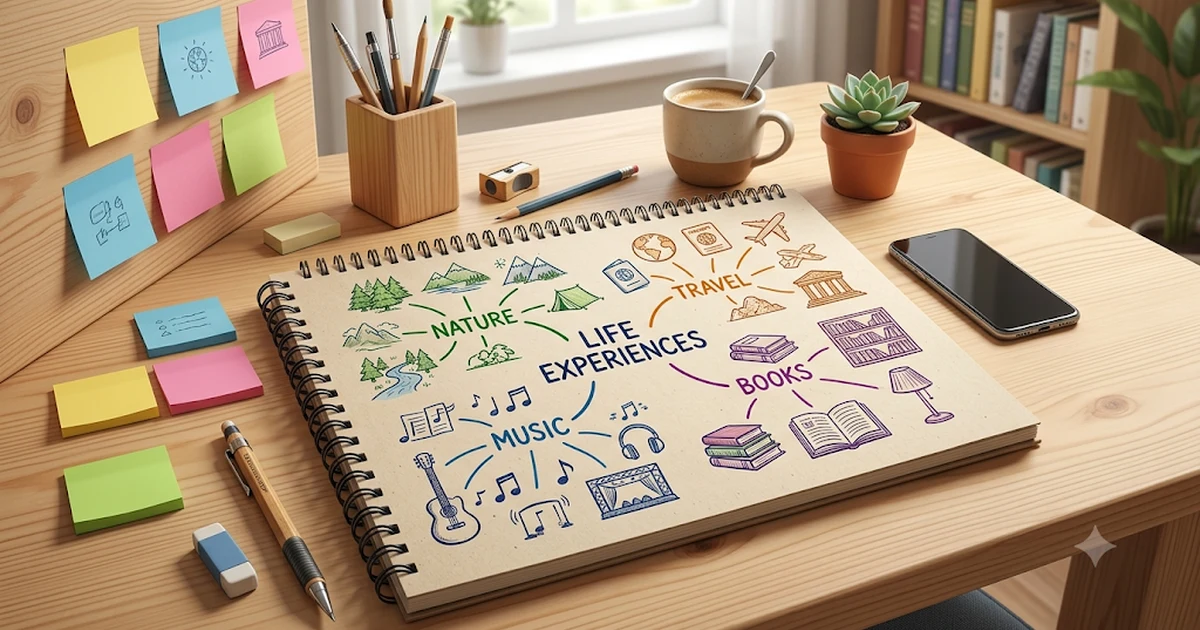
Start by asking yourself what part of life you want to describe. Is it success, failure, hope, change, or friendship?
Next, think of something people already understand. It could be nature, sports, cooking, traveling, music, or school.
Then look for a quality both things share.
For example:
- Life changes often → the weather.
- Life rewards patience → a garden.
- Life requires persistence → climbing a mountain.
Finally, read your sentence aloud. If it sounds smooth in conversation, you’ve probably written a strong simile.
Tips for Using Life Similes Naturally
The best similes improve your writing instead of distracting from it.
Keep these tips in mind:
- Choose comparisons your readers will recognize.
- Match the simile to the mood of your writing.
- Avoid using several similes in the same paragraph.
- Don’t force comparisons that feel unnatural.
- Use real-life situations to make examples believable.
A thoughtful simile usually leaves a stronger impression than a complicated one.
Common Mistakes to Avoid
Many writers weaken their work by making comparisons that confuse readers.

Avoid these common mistakes:
- Mixing unrelated images in one sentence.
- Repeating the same simile too often.
- Choosing comparisons that don’t fit the topic.
- Making examples sound unrealistic.
- Using similes where a simple sentence works better.
Clear writing is almost always more effective than overly creative writing.
Practice Using Similes
Try creating your own comparisons by finishing these sentences.
- Life is like __________ because __________.
- My future is as __________ as __________.
- Success is like __________ because __________.
- Friendship is like __________ because __________.
- Every challenge is like __________ because __________.
This simple exercise helps you develop stronger creative writing skills while finding your own unique voice.
Conclusion
Life is too rich and complex to be described with plain words alone. Similes help us turn everyday experiences into images that people can see, feel, and remember. Whether life feels like a journey, a river, a mountain, or a sunrise, each comparison offers a different way to understand the experiences that shape us.

The 35 similes in this guide are more than creative expressions. They are practical tools that can improve essays, stories, speeches, journal entries, and everyday conversations. Use them when they fit naturally, adapt them to your own experiences, and don’t be afraid to create new comparisons that reflect your personal journey. Sometimes a single well-chosen simile says more than an entire paragraph of explanation.
Frequently Asked Questions
Why do writers use life similes?
They make writing more vivid, emotional, and easier for readers to understand.
Can students use life similes in school essays?
Yes. They make essays more interesting and help explain ideas more clearly.
Are similes and metaphors the same?
No. Similes use “like” or “as,” while metaphors make direct comparisons.
Can I create my own life similes?
Absolutely. The best similes often come from your own experiences and observations.
Are life similes useful in speeches?
Yes. They help audiences remember your message and connect emotionally with your words.
How many similes should I use in one article?
Use only enough to support your ideas naturally. Quality is always better than quantity.
What makes a good life?
A good simile is simple, easy to understand, relevant to the topic, and creates a clear mental picture.
