Other Ways to Say I Don’t Know:Natural Alternatives

**Alt text:** Person thoughtfully considering alternative ways to say “I don’t know” during a professional conversation.

Sometimes I don’t know is the clearest answer, but it can also sound too blunt, repetitive, or casual depending on the situation. If you are looking for other ways to say I don’t know, you have plenty of options that can sound more polite, professional, friendly, uncertain, humorous, or conversational. The best alternative depends on

Read more about Other Ways to Say I Don’t Know:Natural Alternatives

Other Ways to Say Wishing You the Best: Polite, Warm, and Professional Alternatives

Two diverse professionals sharing a warm farewell in a modern office, with one colleague offering encouragement as the other prepares to leave. I prefer this response

Finding other ways to say wishing you the best can help you make a message feel more personal and natural. The phrase works in many situations, but sometimes you may want something warmer for a friend, more professional for a coworker, or more encouraging for someone starting something new. Whether you are writing an email,

Read more about Other Ways to Say Wishing You the Best: Polite, Warm, and Professional Alternatives

Simile for Thunder Meaning and Powerful Examples in Writing

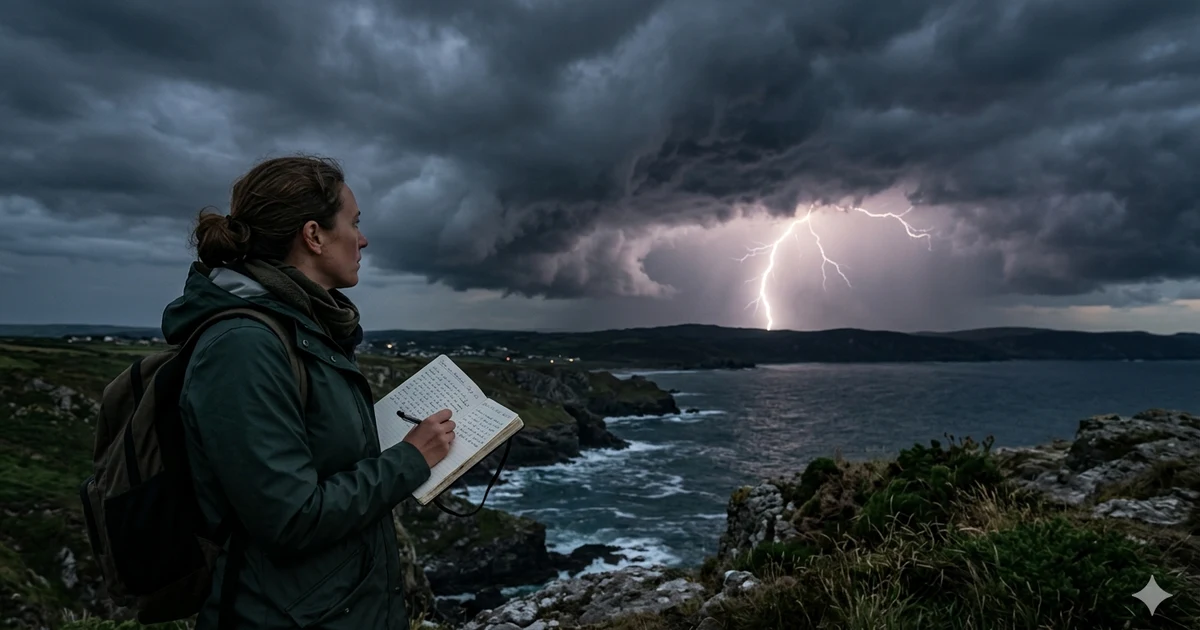
Dark storm clouds with bright lightning and loud thunder, illustrating simile for thunder examples used in creative writing

Quick Answer A simile for thunder is a comparison that describes the sound or power of thunder using words like “like” or “as.” For example, “Thunder roared like a lion” and “Thunder rolled like a giant drum.” Similes help readers imagine thunderstorms more clearly and make writing more vivid and engaging. Introduction Thunder can shake

Read more about Simile for Thunder Meaning and Powerful Examples in Writing

Simile for Face With Creative Examples and Writing Tips

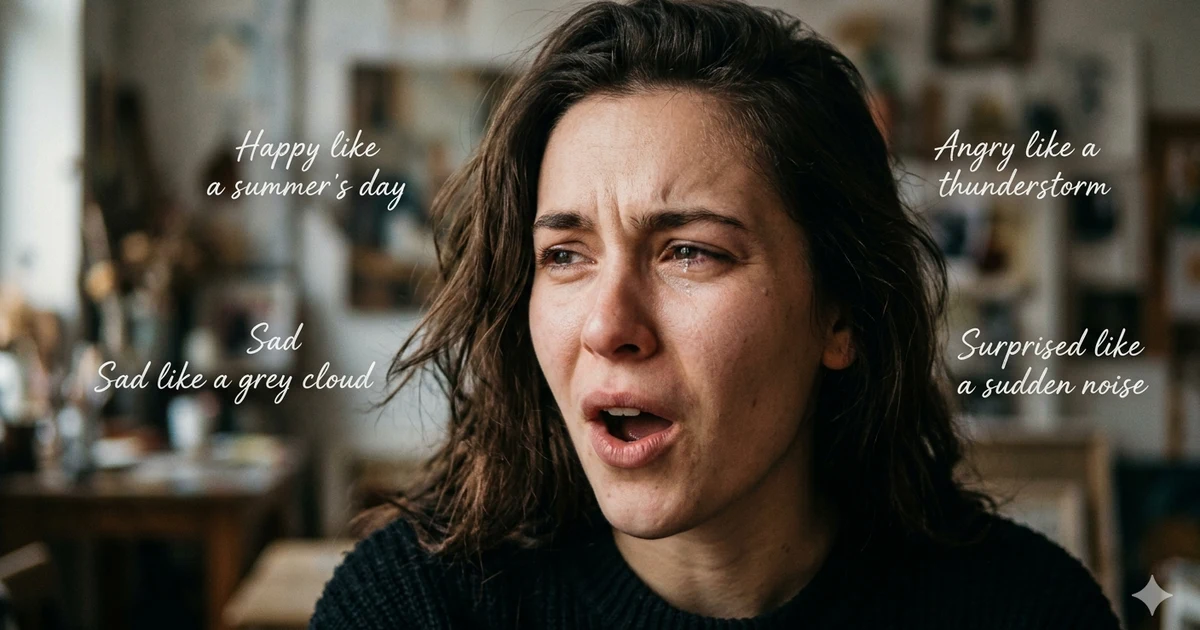
simile for face

Quick Answer Box A simile for face compares a person’s face to something familiar using words like “like” or “as.” Writers use these similes to describe beauty, emotions, expressions, and personality in a more vivid way. Introduction A face tells stories before words ever begin. Joy, fear, anger, love, and surprise often appear through facial

Read more about Simile for Face With Creative Examples and Writing Tips