
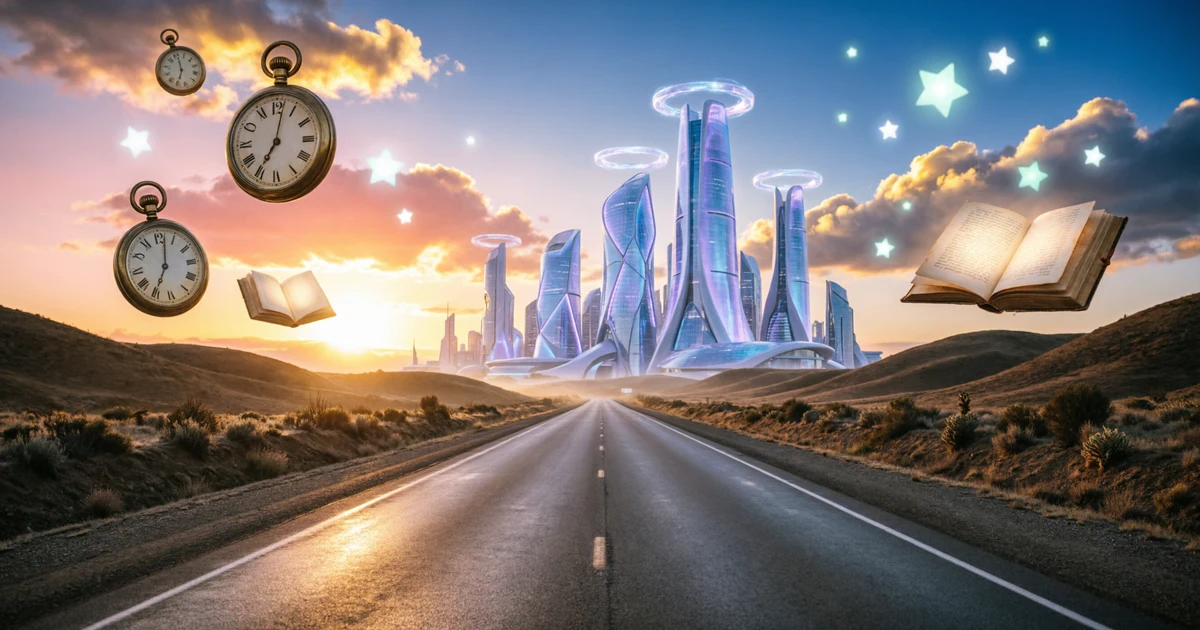
Quick Answer
A simile for future compares the future to something familiar using words like “like” or “as.” Writers use these comparisons to describe hope, fear, success, uncertainty, or dreams in a more vivid way.
Introduction
The future often feels exciting, mysterious, hopeful, or even frightening. Writers use similes to make those emotions easier to understand and imagine. A good simile for future turns abstract thoughts into vivid images that readers can instantly connect with.
You may want to describe the future as bright as the morning sun or uncertain like a road covered in fog. These comparisons add emotion, detail, and creativity to your writing.
In this guide, you will learn what a simile for future means, why writers use it, and how you can create strong comparisons for stories, poems, speeches, and classroom assignments.
What a Simile for Future Means in Simple Words
A simile compares two different things using words like “as” or “like.” A simile for future compares the future to something familiar so readers can understand a feeling or idea more clearly.
Examples include:
• The future looked like an unopened treasure chest.
• Her future shined as brightly as a lighthouse.
• His future felt like a storm waiting on the horizon.
These comparisons help readers picture emotions connected to the future.
Why Writers Use Future Similes in Creative Writing
Writers use future similes because the future itself remains invisible. People cannot see tomorrow, so comparisons help create a strong mental image.
Future similes can:
• Show hope
• Build suspense
• Express fear
• Add emotion
• Improve storytelling
A sentence like “Her future looked dark” feels plain. A sentence like “Her future looked like a candle flickering in the wind” creates emotion and imagery.
How Similes Help Describe Hope and Uncertainty
Hope and uncertainty often exist together when people think about the future. Similes help writers express both feelings at once.
Examples of hopeful similes:
• The future opened like a flower in spring.
• His dreams rose like balloons into the sky.
Examples of uncertain similes:
• The future felt like walking through thick fog.
• Tomorrow stood before her like a locked door.
These comparisons create emotional depth without long explanations.
Simple Similes for Future That Students Can Understand
Students often need easy similes for essays and homework. Simple comparisons work best because readers understand them quickly.
Examples include:
• The future looked like a bright star.
• His future moved like a fast train.
• Her future sparkled like diamonds.
• The future felt like a long road ahead.
• Tomorrow arrived like a new sunrise.
Short and clear similes improve school writing without sounding complicated.
Positive Similes for Future in Motivational Writing
Motivational writing uses uplifting comparisons to inspire readers. Positive future similes create excitement and confidence.
Examples include:
• Your future shines like gold.
• Success waits like a prize at the finish line.
• Her future bloomed like a garden after rain.
• Opportunities appeared like stars in the night sky.
These similes encourage readers to stay hopeful and ambitious.
Dark Similes for Future in Emotional Storytelling
Not every future feels hopeful. Emotional stories often describe fear, sadness, or danger through darker similes.
Examples include:
• The future hung over him like a thundercloud.
• Her tomorrow felt like a broken bridge.
• His future looked like a tunnel without light.
• The future waited like a wolf in the shadows.
Dark similes strengthen emotional scenes and dramatic tension.
Funny Similes for Future That Sound Creative
Humor makes writing more entertaining. Funny similes can turn serious topics into playful moments.
Examples include:
• My future looks like a cat chasing a laser pointer.
• His plans changed like socks after a rainstorm.
• The future arrived like a pizza delivery during homework.
• Her future felt as confusing as a monkey driving a bus.
Funny comparisons help readers relax and enjoy the writing.
Similes for Future That Describe Success and Growth
Growth often takes time, so writers compare future success to natural progress.
Examples include:
• Her future grew like a tree reaching toward sunlight.
• Success came like waves rolling onto the shore.
• His career climbed like a rocket into space.
• Their dreams expanded like rivers after rain.
These similes show movement, progress, and achievement.
Similes for Future That Show Fear and Doubt
Fear of the unknown affects many people. Writers use similes to express anxiety in relatable ways.
Examples include:
• The future felt like standing at the edge of a cliff.
• Tomorrow looked like a maze without an exit.
• His future shook like a leaf in the wind.
• The unknown waited like a shadow behind a door.
These comparisons help readers connect with emotional struggles.
Romantic Similes for Future in Love Writing
Love stories often focus on dreams, promises, and shared futures. Romantic similes create warmth and emotion.
Examples include:
• Our future glowed like candlelight.
• Her love felt like spring after a cold winter.
• Their future stretched like an endless sunset.
• Tomorrow looked like a beautiful song waiting to begin.
These similes fit poems, wedding speeches, and romantic stories.
Similes for Future Used in Poems and Songs
Poets and songwriters rely on imagery to create emotional impact. Future similes add rhythm and meaning.
Examples include:
• The future danced like rain on glass.
• Tomorrow drifted like clouds across the sky.
• Hope rose like music in the dark.
• The future shimmered like moonlight on water.
Creative imagery makes poems and lyrics more memorable.
Powerful Similes for Future in Inspirational Speeches
Public speakers use strong comparisons to motivate audiences and create emotional energy.
Examples include:
• Your future stands like a mountain waiting to be climbed.
• Opportunity opens like a gate before you.
• Success grows like fire from a single spark.
• Dreams spread like wings across the sky.
These similes sound confident and inspiring during speeches.
Similes for Future That Compare Life Journeys
Life often feels like a journey filled with change. Writers use travel based similes to describe future experiences.
Examples include:
• The future stretched like an endless highway.
• Her journey unfolded like a map filled with hidden paths.
• Tomorrow moved like a river toward the sea.
• His future resembled a ship sailing into unknown waters.
Journey similes work well in reflective writing.
Classroom Activities to Practice Future Similes
Teachers can help students practice similes through fun activities.
Useful classroom ideas include:
• Ask students to finish the sentence “The future is like…”
• Create group storytelling exercises with future similes.
• Use picture prompts to inspire comparisons.
• Turn similes into poetry challenges.
• Compare hopeful and fearful future similes.
Creative exercises improve vocabulary and imagination.
Common Mistakes Writers Make With Similes for Future
Weak similes can confuse readers or sound repetitive.
Common mistakes include:
• Using clichés too often
• Making comparisons too complicated
• Repeating the same emotional tone
• Mixing unrelated images
• Adding too many similes in one paragraph
Instead of writing “The future was like a future dream,” choose a clearer image with stronger emotion.
How to Create Your Own Similes for Future
Creating original similes becomes easier when you focus on feelings first.
Ask yourself:
• Does the future feel hopeful or frightening?
• What image matches that emotion?
• Will readers understand the comparison quickly?
For example:
Emotion: Hope
Image: Sunrise
Simile: The future rose like the morning sun.
Emotion: Fear
Image: Storm
Simile: Tomorrow waited like a storm over the ocean.
Strong similes feel natural and easy to picture.
Best Simile Examples for Future in Literature
Many famous writers use future imagery to create emotional impact.
Literature often compares the future to:
• Roads
• Oceans
• Storms
• Light
• Seasons
• Stars
These symbols work because readers already connect them with emotions and change.
Classic writing often succeeds through simple but meaningful comparisons.
Similes for Future That Fit Modern Writing Styles
Modern readers prefer fresh and relatable imagery. Writers now use technology, travel, and pop culture in comparisons.
Examples include:
• The future updated like a phone app overnight.
• Tomorrow moved like a trending video online.
• His future loaded like a slow internet connection.
• Her dreams spread like viral posts across social media.
Modern similes help younger readers connect with the message.
How Future Similes Improve Emotional Connection
Readers remember emotions more than facts. Similes create emotional pictures that stay in the mind.
Compare these two lines:
• She feared the future.
• She feared the future like a sailor facing a violent sea.
The second example creates stronger emotion and visual detail.
Good similes help readers feel what characters experience.
Final Thoughts on Using Similes for Future Naturally
A strong simile for future transforms simple writing into vivid storytelling. It helps readers imagine emotions, dreams, fears, and possibilities with greater clarity.
The best future similes feel natural, clear, and emotionally honest. Some create hope while others express uncertainty or struggle. Each comparison adds personality and depth to writing.
Whether you write poems, essays, speeches, or stories, thoughtful similes can make your ideas more memorable and powerful.
Conclusion
A strong simile for future helps writers turn abstract thoughts into vivid and emotional images. Whether the future feels bright like a sunrise or uncertain like a foggy road, the right comparison makes writing more meaningful and memorable.
Similes add creativity to stories, poems, speeches, and classroom assignments while helping readers connect with emotions more clearly. By using simple and natural comparisons, writers can describe hope, fear, love, growth, and dreams in a way that feels real and engaging.
FAQs
What is a simile for future?
A simile for future compares the future to another object or experience using words like “like” or “as.”
Why do writers use similes for future?
Writers use them to explain emotions and create vivid mental images.
What is an example of a future simile?
“The future shined like a rising sun” works as a simple example.
Can students use future similes in essays?
Yes. Similes improve creativity and make essays more engaging.
Are future similes useful in poetry?
Yes. Poets use them to add emotion, rhythm, and imagery.
How can I create my own simile for future?
Focus on an emotion first, then compare it to something familiar.
What makes a simile strong?
A strong simile feels clear, original, and easy to imagine.
Can funny similes describe the future?
Yes. Funny similes make writing entertaining and memorable.
What emotions can future similes express?
They can express hope, fear, love, doubt, excitement, and ambition.
Should I use many similes in one paragraph?
No. Too many similes can weaken your writing and confuse readers.
