
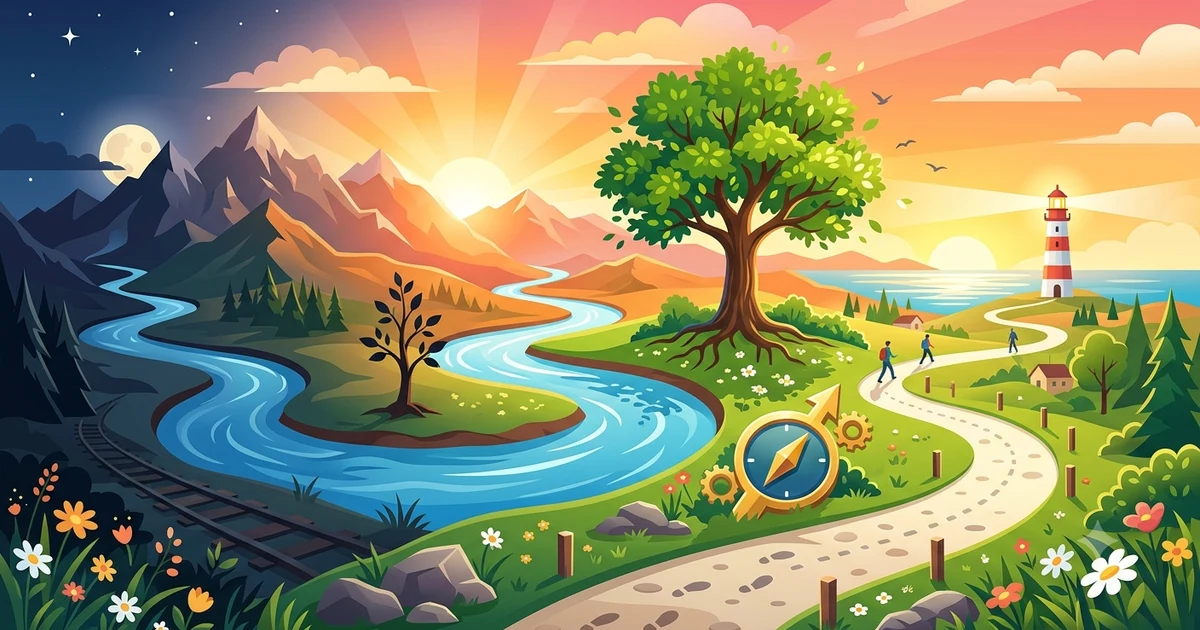
Introduction
Change is one of the few constants in life. It shapes who we become, influences our relationships, and creates new opportunities. From a child growing into an adult to a person overcoming fear or a city transforming over time, change happens everywhere. Yet simply saying that something “changed” often fails to capture the emotion, growth, or impact behind the transformation.
This is where similes become powerful. A well-written simile compares change to something familiar using the words “like” or “as,” helping readers picture the transformation instead of merely reading about it. Rather than saying someone became more confident, you might write, “She blossomed like a flower after spring rain.” That single comparison creates a vivid image and makes the writing more memorable.
Whether you’re writing a story, poem, speech, essay, journal entry, or school assignment, the right simile can add emotion, creativity, and clarity. In this guide, you’ll discover over 100 carefully selected similes for change, organized by different situations, along with meanings, example sentences, writing tips, and practical advice for creating your own original comparisons.
Quick Answer
A simile for change is a comparison that describes transformation using the words “like” or “as.” It helps readers visualize growth, emotional shifts, new beginnings, personal development, or changing circumstances through familiar images. For example, “She changed like a butterfly emerging from its cocoon” or “Life changed like the seasons.” These comparisons make writing more vivid, engaging, and easier to understand.
What Is a Simile for Change?
A simile compares two different things using the words like or as. When that comparison focuses on transformation, growth, or transition, it becomes a simile for change.
Instead of simply telling readers that something became different, a simile paints a clear picture in their minds.
Examples
- Her confidence grew like a flower reaching toward the sun.
- His attitude changed like ice melting beneath warm sunlight.
- Their friendship grew like roots spreading beneath an old oak tree.
- The city transformed like an old photograph slowly filling with color.
- Hope returned like sunrise after the longest night.
Each comparison allows readers to imagine the change rather than simply read about it.
Without a Simile
The boy became brave.
With a Simile
The boy became brave like a young eagle learning to soar above the mountains.
The second sentence creates stronger imagery, adds emotion, and leaves a lasting impression.
Why Writers Use Similes for Change
Change can be joyful, painful, gradual, or unexpected. Describing these experiences with ordinary language often feels flat. Similes make transformation easier to understand by connecting it to familiar experiences from nature and everyday life.
Writers use similes because they:
- Create vivid mental images.
- Add emotion without lengthy explanations.
- Make stories and poems more memorable.
- Help readers connect with characters.
- Turn simple descriptions into powerful writing.
- Improve creative, academic, and descriptive writing.
Whether you’re describing personal growth, emotional healing, success, failure, or a fresh start, the right simile helps readers experience the transformation.
Different Types of Change
Not every kind of change feels the same. Understanding the type of transformation helps you choose the most effective comparison.
| Type of Change | Description | Example Simile |
|---|---|---|
| Personal Growth | Becoming wiser or stronger | Like a seed growing into a mighty tree |
| Emotional Change | Feelings changing over time | Like clouds clearing after a storm |
| Positive Change | Improvement or success | Like sunrise after a long night |
| Negative Change | Loss or disappointment | Like glass shattering on stone |
| Sudden Change | Happens instantly | Like lightning splitting the sky |
| Slow Change | Happens gradually | Like water shaping a canyon |
| Relationship Change | Friendships or love evolving | Like a bridge rebuilt stronger |
| Life Transition | Starting a new chapter | Like turning the first page of a new book |
30 Powerful Similes for Change
The following similes work well in stories, essays, speeches, journals, and creative writing.
| Simile | Meaning | Example Sentence |
|---|---|---|
| Like a butterfly leaving its cocoon | Complete personal transformation | She changed like a butterfly leaving its cocoon after years of self-doubt. |
| Like sunrise after a storm | Hope after hardship | Success arrived like sunrise after a storm. |
| Like a river finding a new path | Adapting to change | His life changed like a river finding a new path around every obstacle. |
| Like a seed growing into a tree | Long-term development | Her confidence grew like a seed becoming a mighty tree. |
| Like dawn replacing the night | A fresh beginning | Graduation felt like dawn replacing the night. |
| Like waves reshaping the shore | Slow transformation | Time changed him like waves reshaping the shore. |
| Like ice melting in spring | Becoming kinder | His anger disappeared like ice melting in spring. |
| Like fresh rain washing dusty roads | A clean start | Moving to a new city felt like fresh rain washing dusty roads. |
| Like stars appearing at dusk | New opportunities | New ideas appeared like stars filling the evening sky. |
| Like leaves changing in autumn | Natural life changes | Life changed like leaves turning gold in autumn. |
| Like steel forged in fire | Becoming stronger through hardship | She became stronger like steel forged in fire. |
| Like a bridge rebuilt stronger | Restored trust | Their friendship returned like a bridge rebuilt stronger than before. |
| Like a candle lighting a dark room | Hope returning | Her encouragement was like a candle lighting a dark room. |
| Like a garden blooming in spring | Positive transformation | Their neighborhood changed like a garden blooming in spring. |
| Like birds returning after winter | Renewal | Joy returned like birds returning after winter. |
| Like mountains shaped by rivers | Lasting change | Experience shaped him like rivers shaping mountains. |
| Like an eagle spreading its wings | Freedom | She felt free like an eagle spreading its wings. |
| Like a path opening through a forest | Finding direction | Opportunity appeared like a path opening through a forest. |
| Like a rainbow after heavy rain | Happiness after difficulty | Hope returned like a rainbow after heavy rain. |
| Like sunlight reaching a hidden valley | New possibilities | Her smile returned like sunlight reaching a hidden valley. |
| Like a clock moving forward | Time changing everything | Life moved like a clock that never stopped. |
| Like vines climbing a stone wall | Steady progress | Their business grew like vines climbing an old stone wall. |
| Like waves carrying a boat forward | Moving ahead | His career advanced like waves carrying a boat forward. |
| Like a diamond polished over time | Character development | Patience shaped her like a diamond polished over time. |
| Like a phoenix rising from the ashes | Recovery after failure | He returned like a phoenix rising from the ashes. |
| Like morning mist fading away | Worries disappearing | Her fears vanished like morning mist beneath the sun. |
| Like a lighthouse guiding ships | Finding purpose | His mentor appeared like a lighthouse guiding lost ships. |
| Like branches reaching toward the sky | Expanding dreams | Their ambitions grew like branches reaching toward the sky. |
| Like an artist completing a masterpiece | Personal fulfillment | Years of practice changed her like an artist completing a masterpiece. |
| Like a door opening to a brighter future | New beginnings | College felt like a door opening to a brighter future. |
Why These Similes Are Effective
Strong similes work because they compare change with images that readers already understand. Almost everyone has watched the seasons change, seen flowers bloom, experienced storms passing, or noticed rivers flowing around obstacles. These familiar experiences make abstract ideas like growth, healing, courage, and transformation much easier to imagine.
For example:
- A butterfly symbolizes transformation.
- A river represents adaptation and continuous movement.
- A sunrise suggests hope and new beginnings.
- A tree symbolizes strength and steady growth.
- A bridge represents rebuilding trust and connection.
- A lighthouse symbolizes guidance during difficult times.
The best similes are simple, natural, and easy to visualize. They allow readers to see the change instead of simply being told that it happened.
Similes for Personal Growth
Personal growth is one of the most meaningful forms of change. It happens when people learn from experience, overcome challenges, develop new skills, or become wiser over time. Instead of simply saying that someone improved, a simile helps readers picture that transformation.
Similes for Personal Growth
| Simile | Meaning | Example Sentence |
|---|---|---|
| Like a seed growing into a mighty oak | Growing stronger over time | Her confidence grew like a seed growing into a mighty oak. |
| Like an eagle learning to soar | Gaining confidence | He became confident like an eagle learning to soar above the mountains. |
| Like steel forged in fire | Becoming stronger through hardship | She became resilient like steel forged in fire. |
| Like a sculptor shaping marble | Continuous self-improvement | His character developed like a sculptor shaping marble into art. |
| Like a mountain standing through every storm | Inner strength | She became steady like a mountain standing through every storm. |
| Like a compass finding true north | Discovering purpose | His life changed like a compass finding true north. |
| Like a river carving a canyon | Slow but lasting growth | Patience shaped her like a river carving a canyon. |
| Like a lantern shining brighter | Increasing wisdom | His understanding grew like a lantern glowing brighter each night. |
| Like a bird leaving its nest | Becoming independent | She stepped into adulthood like a bird leaving its nest. |
| Like a diamond polished over time | Developing character | Experience shaped him like a diamond polished over time. |
Example Paragraph
When Emma started her first job, she felt nervous and unsure of herself. Over time, she gained new skills and learned from every challenge. Her confidence grew like a seed growing into a mighty oak, and her determination became like steel forged in fire. By the end of the year, she was leading projects with confidence and inspiring those around her.
Similes for Emotional Change
Emotions constantly change. Happiness can replace sadness, fear can turn into courage, and hope can return after disappointment. Similes make these emotional shifts easier to understand because they connect feelings with familiar experiences.
Similes for Emotional Change
| Simile | Meaning | Example Sentence |
|---|---|---|
| Like fog disappearing beneath the morning sun | Sadness fading | Her sadness faded like fog disappearing beneath the morning sun. |
| Like sunrise after the longest night | Hope returning | Hope returned like sunrise after the longest night. |
| Like snow melting in spring | A softened heart | His heart softened like snow melting in spring. |
| Like calm water after a storm | Finding peace | Peace settled over her like calm water after a storm. |
| Like smoke drifting into the sky | Anger fading away | His anger disappeared like smoke drifting into the sky. |
| Like a balloon floating upward | Letting go of worries | Her worries floated away like a balloon rising into the clouds. |
| Like music filling silence | Joy returning | Happiness spread like music filling a quiet room. |
| Like the moon appearing through clouds | Finding comfort | Hope appeared like the moon breaking through heavy clouds. |
| Like a candle lighting darkness | New optimism | Encouragement came like a candle lighting darkness. |
| Like spring replacing winter | Emotional healing | Healing arrived like spring replacing winter. |
Example Paragraph
After months of disappointment, Liam finally received good news. His fear melted like snow beneath the spring sun, while hope returned like sunrise after the longest night. The happiness on his face spread like music filling a quiet room, making everyone around him smile.
Similes for Positive Change
Positive change represents growth, healing, opportunity, achievement, and fresh beginnings. These comparisons create an uplifting tone while helping readers imagine success more clearly.
Similes for Positive Change
| Simile | Meaning | Example Sentence |
|---|---|---|
| Like dawn breaking over the horizon | A fresh beginning | Her new career began like dawn breaking over the horizon. |
| Like a garden blooming after gentle rain | Improvement | Their neighborhood changed like a garden blooming after gentle rain. |
| Like sunshine warming a cold morning | Happiness returning | Joy spread like sunshine warming a cold morning. |
| Like a rainbow after heavy rain | Hope after difficulty | Success arrived like a rainbow after heavy rain. |
| Like a window opening to fresh air | New opportunities | College felt like a window opening to fresh air. |
| Like a kite catching the wind | New confidence | His confidence rose like a kite catching the wind. |
| Like a ship reaching a safe harbor | Achieving goals | Graduation felt like a ship reaching a safe harbor. |
| Like stars filling the night sky | New possibilities | Opportunities appeared like stars filling the night sky. |
| Like fruit ripening in summer | Success through patience | Her business grew like fruit ripening in summer. |
| Like the first blossom of spring | New hope | Their family found happiness like the first blossom of spring. |
Example Paragraph
After years of hard work, Maya finally achieved her dream of becoming a teacher. Her future opened like a window welcoming fresh air, and every success felt like a rainbow appearing after heavy rain. Her confidence rose like a kite catching the wind, reminding her that perseverance always brings rewards.
Similes for Difficult or Negative Change
Not every change is positive. Some transformations involve loss, disappointment, uncertainty, or heartbreak. Thoughtful similes help express these difficult experiences while allowing readers to connect emotionally.
Similes for Difficult or Negative Change
| Simile | Meaning | Example Sentence |
|---|---|---|
| Like glass shattering on stone | Sudden heartbreak | His world shattered like glass hitting stone. |
| Like footprints disappearing in the tide | Losing hope | Their dreams faded like footprints disappearing in the tide. |
| Like paint fading beneath the sun | Confidence weakening | Her confidence faded like paint beneath years of sunlight. |
| Like a bridge collapsing in a flood | Broken trust | Their trust broke like a bridge collapsing in a flood. |
| Like smoke fading into the wind | Lost opportunities | His chance disappeared like smoke carried by the wind. |
| Like autumn leaves falling | Letting go | Their friendship faded like autumn leaves falling from old trees. |
| Like a candle blown out | Hope disappearing | Hope vanished like a candle blown out by the wind. |
| Like a cracked mirror | A changed identity | She felt like a cracked mirror after the accident. |
| Like a house standing empty | Loneliness | His heart became like a house standing empty. |
| Like a road ending unexpectedly | An uncertain future | Their plans ended like a road reaching a cliff. |
Example Paragraph
When the company closed, many employees felt uncertain about the future. Their confidence faded like paint left beneath years of sunlight, while their hopes disappeared like footprints washed away by the tide. Although the change was painful, it eventually encouraged many of them to discover new opportunities.
Similes for Sudden Change
Some changes happen without warning. These similes emphasize speed, surprise, and dramatic transformation.
Similes for Sudden Change
| Simile | Meaning | Example Sentence |
|---|---|---|
| Like lightning splitting the sky | Instant change | His mood changed like lightning splitting the sky. |
| Like a page turning in a novel | Beginning a new chapter | Life changed like turning a page in a novel. |
| Like a switch flipping on | Immediate realization | Understanding arrived like a switch flipping on. |
| Like fireworks lighting the night | Unexpected excitement | The celebration began like fireworks lighting the night. |
| Like a gust opening a gate | Sudden opportunity | Opportunity arrived like a gust opening a forgotten gate. |
| Like dominoes falling | Chain reaction | Events unfolded like dominoes falling one after another. |
| Like thunder echoing across hills | Dramatic impact | The announcement spread like thunder across the hills. |
| Like a balloon bursting | Unexpected surprise | Their silence ended like a balloon bursting. |
| Like curtains opening on a stage | A new beginning | Her future appeared like curtains opening before a play. |
| Like a key unlocking a door | New possibilities | The scholarship arrived like a key unlocking a new future. |
Similes for Slow Change
Many of life’s greatest transformations happen gradually. These similes highlight patience, consistency, and steady progress.
Similes for Slow Change
| Simile | Meaning | Example Sentence |
|---|---|---|
| Like water smoothing rough stones | Gradual improvement | His patience grew like water smoothing rough stones. |
| Like a tree adding rings each year | Steady growth | Wisdom developed like a tree adding rings each year. |
| Like the tide reshaping the shore | Slow transformation | Time changed the village like the tide reshaping the shore. |
| Like morning light filling the sky | Gradual progress | Confidence grew like morning light filling the sky. |
| Like vines climbing an old wall | Consistent effort | Their friendship grew like vines climbing an old wall. |
| Like a puzzle slowly coming together | Understanding | Knowledge developed like a puzzle coming together piece by piece. |
| Like a book being written | Personal journey | His life changed like a book being written one chapter at a time. |
| Like clay shaped by gentle hands | Learning | Experience molded her like clay shaped by gentle hands. |
| Like stars appearing one by one | Small improvements | Success came like stars appearing one by one at dusk. |
| Like snow covering the ground | Quiet transformation | Healing arrived like snow quietly covering the earth. |
Example Paragraph
Learning a new language didn’t happen overnight. Every lesson added another piece of knowledge like a puzzle slowly coming together. Her confidence grew like morning light filling the sky, proving that small, consistent efforts often create the greatest transformations.
Similes for Change in Nature
Nature is one of the richest sources of inspiration for describing change. Every season, sunrise, rainfall, and growing tree reminds us that transformation is a natural part of life. Because these images are familiar, they help readers understand change instantly.
Similes for Change in Nature
| Simile | Meaning | Example Sentence |
|---|---|---|
| Like leaves turning gold in autumn | A natural transition | Life changed like leaves turning gold in autumn. |
| Like spring waking the earth | Renewal and fresh beginnings | Hope returned like spring waking the earth after winter. |
| Like a river finding a new course | Adapting to challenges | His career changed like a river finding a new course. |
| Like the tide reshaping the shore | Slow but lasting transformation | Time changed the village like the tide reshaping the shore. |
| Like blossoms opening to the morning sun | Personal growth | Her confidence grew like blossoms opening to the morning sun. |
| Like rain reviving dry fields | Healing and recovery | Kindness returned like rain reviving dry fields. |
| Like clouds drifting across the sky | Temporary change | Worry passed like clouds drifting across the sky. |
| Like the moon changing its phases | Gradual transformation | Her emotions changed like the phases of the moon. |
| Like a waterfall carving stone | Strength through persistence | His determination worked like a waterfall carving stone. |
| Like dawn painting the horizon | A hopeful beginning | The new year arrived like dawn painting the horizon. |
Example Paragraph
After years of uncertainty, the town slowly recovered from the storm. New businesses opened, families returned, and hope spread like spring waking the earth. The community changed like a river finding a new course, proving that even difficult seasons eventually give way to new beginnings.
Similes for Change in Relationships
Relationships naturally grow, weaken, heal, and evolve. Whether describing friendships, family bonds, or love, similes help readers connect with these emotional changes.
Similes for Relationship Change
| Simile | Meaning | Example Sentence |
|---|---|---|
| Like vines growing around a trellis | A stronger friendship | Their friendship grew like vines climbing a trellis. |
| Like a bridge rebuilt stronger | Restored trust | Their relationship became like a bridge rebuilt stronger than before. |
| Like roots growing deeper | A lasting bond | Their love grew like roots reaching deeper into the earth. |
| Like a knot tied tighter | Greater commitment | Their partnership strengthened like a knot tied tighter. |
| Like footprints fading in the sand | A fading friendship | Their friendship faded like footprints along the shore. |
| Like two rivers joining together | Lives becoming connected | Marriage brought them together like two rivers joining into one. |
| Like a cracked window repaired | Emotional healing | Trust returned like a cracked window carefully repaired. |
| Like birds building a nest | Creating a family | They built their home like birds building a nest. |
| Like sunlight breaking through clouds | Forgiveness | Forgiveness arrived like sunlight breaking through clouds. |
| Like an old tree growing new branches | Renewed relationships | Their family grew closer like an old tree growing new branches. |
Example Paragraph
After months of misunderstanding, the sisters finally talked openly. Their trust returned like sunlight breaking through clouds, and their friendship grew like roots reaching deeper into the earth. What once seemed broken became stronger than ever.
Similes for School and Learning
Learning changes the way people think, solve problems, and understand the world. These similes work especially well in educational writing and school assignments.
Similes for Learning
| Simile | Meaning | Example Sentence |
|---|---|---|
| Like a sponge soaking up water | Learning quickly | She learned like a sponge soaking up water. |
| Like puzzle pieces fitting together | Understanding concepts | The lesson came together like puzzle pieces fitting together. |
| Like a lamp lighting a dark room | New understanding | Knowledge spread like a lamp lighting a dark room. |
| Like climbing one step at a time | Steady progress | His math skills improved like climbing one step at a time. |
| Like a seed growing every day | Continuous learning | Curiosity grew like a seed growing every day. |
| Like sharpening a pencil | Improving skills | Practice sharpened his writing like sharpening a pencil. |
| Like opening a window | Discovering ideas | Reading books felt like opening a window to the world. |
| Like building with bricks | Gaining knowledge | Experience built her education like bricks building a house. |
| Like stars appearing one by one | Learning gradually | Understanding came like stars appearing one by one. |
| Like unlocking a treasure chest | Discovering knowledge | Science became like unlocking a treasure chest full of ideas. |
Example Paragraph
At first, science seemed difficult to Noah. But every lesson added new understanding like puzzle pieces fitting together. His curiosity grew like a seed growing every day, and soon he looked forward to every class.
Similes for Career and Success
Professional success rarely happens overnight. These similes highlight determination, growth, and achievement in the workplace.
Similes for Career Growth
| Simile | Meaning | Example Sentence |
|---|---|---|
| Like a ladder reaching higher | Career advancement | Her career climbed like a ladder reaching higher. |
| Like an oak tree growing stronger | Long-term success | His business grew like an oak tree growing stronger each year. |
| Like bricks building a strong foundation | Building experience | Every project added experience like bricks building a foundation. |
| Like a ship reaching its destination | Achieving goals | Graduation felt like a ship reaching its destination. |
| Like an arrow finding its target | Reaching success | His efforts worked like an arrow finding its target. |
| Like a rocket lifting into the sky | Rapid progress | The company expanded like a rocket lifting into the sky. |
| Like a key opening new doors | New opportunities | The promotion became like a key opening new doors. |
| Like a marathon runner crossing the finish line | Achieving long-term goals | Success arrived like a marathon runner crossing the finish line. |
| Like a compass pointing north | Finding direction | Her mentor guided her like a compass pointing north. |
| Like a lighthouse guiding ships | Leadership | Good leadership worked like a lighthouse guiding ships safely home. |
Example Paragraph
After years of hard work, Daniel earned the promotion he had always wanted. His career advanced like a ladder reaching higher, while every challenge became like another brick strengthening the foundation of his success.
Similes for Storytelling and Creative Writing
Creative writing becomes more memorable when readers can picture change through vivid imagery.
Creative Similes
| Simile | Meaning | Example Sentence |
|---|---|---|
| Like an ancient castle waking from sleep | Great transformation | The kingdom changed like an ancient castle waking from sleep. |
| Like a hidden door opening | Discovering new possibilities | Her future appeared like a hidden door opening. |
| Like a map revealing unknown lands | New adventures | His journey unfolded like a map revealing unknown lands. |
| Like embers becoming flames | Growing courage | Courage rose like glowing embers becoming flames. |
| Like stars guiding lost travelers | Finding hope | Hope appeared like stars guiding lost travelers. |
| Like morning mist lifting | Mystery disappearing | The truth appeared like morning mist lifting from a valley. |
| Like silver threads weaving together | Lives connecting | Their destinies joined like silver threads weaving together. |
| Like a phoenix spreading its wings | A powerful comeback | The hero returned like a phoenix spreading its wings. |
| Like waves carrying a ship | Moving toward destiny | Fate carried him like waves carrying a ship across the sea. |
| Like a gate opening to another world | New beginnings | Adventure began like a gate opening to another world. |
Example Paragraph
As the young hero stepped into the forgotten forest, his destiny unfolded like a hidden door opening. Every challenge made his courage grow like glowing embers becoming bright flames, preparing him for the journey ahead.
Funny Similes for Everyday Change
Not every simile has to sound serious. Funny comparisons add humor to conversations, blogs, and stories.
| Simile | Meaning | Example Sentence |
|---|---|---|
| Like socks disappearing in the laundry | Something constantly changing | My plans changed like socks disappearing in the laundry. |
| Like popcorn popping in a microwave | Sudden activity | Ideas changed like popcorn popping in a microwave. |
| Like a TV remote changing channels | Frequently changing opinions | He changed his mind like a TV remote changing channels. |
| Like a puppy chasing butterflies | Easily distracted | My little brother changed hobbies like a puppy chasing butterflies. |
| Like a weather forecast in spring | Unpredictable | Her mood changed like a spring weather forecast. |
| Like a phone updating overnight | Becoming different | He came back from vacation like a phone updating overnight. |
| Like balloons floating everywhere | Constant movement | Their weekend plans changed like balloons floating in the wind. |
| Like a hamster running on a wheel | Always busy | My schedule changed like a hamster running on a wheel. |
| Like pancakes flipping in a pan | Quick decisions | They changed ideas like pancakes flipping in a pan. |
| Like a cat choosing a new nap spot | Constantly switching | Our cat changed sleeping places like a traveler changing hotels. |
Powerful Literary Similes for Change
These similes are especially useful in poems, novels, speeches, and reflective writing.
| Simile | Meaning | Example Sentence |
|---|---|---|
| Like time polishing ancient stone | Character shaped by experience | Time shaped him like ancient stone polished by countless years. |
| Like the moon reflecting on restless water | Emotional change | Her heart changed like the moon reflecting on restless water. |
| Like forgotten letters fading with time | Memories disappearing | Old memories faded like forgotten letters left in a drawer. |
| Like dawn touching mountain peaks | Hope returning | Hope arrived like dawn touching distant mountain peaks. |
| Like a violin finding its melody | Finding purpose | His life changed like a violin discovering its melody. |
| Like rain awakening sleeping seeds | New possibilities | Opportunity came like rain awakening sleeping seeds. |
| Like an old clock finding its rhythm | Personal balance | Peace returned like an old clock finding its rhythm. |
| Like an artist adding the final brushstroke | Completing a journey | Her dream came true like an artist adding the final brushstroke. |
| Like a candle refusing to go out | Lasting determination | His courage remained like a candle refusing to go out. |
| Like rivers meeting the sea | Life reaching fulfillment | Their journey ended like rivers meeting the sea. |
Similes for Change by Emotion
| Emotion | Best Simile |
|---|---|
| Hope | Like dawn after the darkest night |
| Happiness | Like sunshine warming a cold morning |
| Courage | Like an eagle rising on the wind |
| Peace | Like a quiet lake at sunrise |
| Healing | Like spring replacing winter |
| Determination | Like a waterfall carving stone |
| Love | Like roots growing deeper |
| Fear | Like shadows fading at sunrise |
| Confidence | Like a mountain standing through every storm |
| Wisdom | Like an old tree growing stronger each year |
Similes for Change by Situation
| Situation | Best Simile |
|---|---|
| Starting a new job | Like opening the first page of a new book |
| Graduating | Like a bird leaving its nest |
| Moving to a new home | Like planting a tree in fresh soil |
| Learning a new skill | Like climbing one step at a time |
| Recovering from failure | Like a phoenix rising from the ashes |
| Becoming confident | Like an eagle learning to soar |
| Building friendships | Like vines growing around a trellis |
| Solving problems | Like finding a bridge across a river |
| Following dreams | Like a ship sailing toward the horizon |
| Beginning a new chapter | Like dawn welcoming a new day |
Simile vs. Metaphor
Many people confuse similes and metaphors because both compare two different things. However, they are not the same.
The easiest way to remember the difference is this:
- A simile uses the words like or as.
- A metaphor makes a direct comparison without using like or as.
| Simile | Metaphor |
|---|---|
| Her confidence grew like a mighty oak. | Her confidence was a mighty oak. |
| Life changed like the seasons. | Life became a changing season. |
| Hope returned like the sunrise. | Hope was the sunrise after darkness. |
| His courage spread like wildfire. | His courage was wildfire. |
| Their friendship grew like strong roots. | Their friendship was strong roots beneath the earth. |
Quick Tip
If your comparison includes like or as, it is a simile.
How to Create Your Own Simile for Change
Writing original similes is easier than it seems. Instead of copying common comparisons, create your own by following these simple steps.
1. Decide What Is Changing
First, identify the type of change.
For example:
- A person’s personality
- An emotion
- A friendship
- A dream
- A career
- A habit
- A community
- A season of life
Knowing what is changing makes it easier to choose the right comparison.
2. Think of Familiar Images
Readers understand images they see in everyday life.
Good sources include:
- Seasons
- Trees
- Rivers
- Mountains
- Birds
- Stars
- Rain
- Fire
- Sunlight
- Oceans
- Bridges
- Paths
- Windows
- Lighthouses
- Gardens
These images naturally represent growth, hope, healing, strength, or transition.
3. Match the Image to the Emotion
Choose an image that fits the feeling you want to express.
| Emotion | Suggested Image |
|---|---|
| Hope | Sunrise |
| Healing | Spring |
| Confidence | Eagle |
| Wisdom | Ancient tree |
| Patience | River |
| Courage | Lighthouse |
| Freedom | Open sky |
| Strength | Mountain |
| Opportunity | Open door |
| Success | Finish line |
Matching the image to the emotion makes your simile feel believable and memorable.
4. Keep the Comparison Simple
Strong similes are usually short and easy to understand.
Too Long
She changed like an enormous magical tree that continued growing for hundreds of years despite every storm that came across the mountains.
Better
She changed like a tree growing stronger after every storm.
Simple writing creates stronger imagery.
5. Read It Aloud
A good simile should sound natural.
Ask yourself:
- Does it make sense?
- Can readers picture it?
- Does it fit the emotion?
- Is it short and clear?
If the answer is yes, you’ve probably written a strong simile.
Common Mistakes to Avoid
Even experienced writers sometimes weaken their comparisons. Avoid these common mistakes to make your writing more effective.
1. Using Too Many Clichés
Some similes are so common that they no longer feel fresh.
Examples include:
- Busy as a bee
- Strong as an ox
- Light as a feather
These comparisons still work, but original similes often leave a stronger impression.
Instead of
She changed like a butterfly.
Try something more specific.
She changed like a lighthouse shining after a long storm.
2. Mixing Unrelated Images
Your comparison should make logical sense.
Incorrect
He changed like a river climbing a mountain.
Rivers do not climb mountains.
Better
He changed like a river finding a new path.
3. Making Similes Too Long
Long comparisons slow the reader down.
Weak
Her confidence grew like an enormous oak tree standing proudly in a giant forest through every season and every storm imaginable.
Better
Her confidence grew like an oak standing through every storm.
4. Repeating the Same Images
Variety keeps readers interested.
Instead of repeating:
- Butterfly
- Flower
- Tree
- River
Mix in images like:
- Compass
- Bridge
- Lighthouse
- Mountain
- Window
- Sunrise
- Ocean
- Lantern
- Trail
- Horizon
- Waterfall
- Diamond
- Anchor
5. Choosing Images That Don’t Match the Emotion
Every comparison should fit the feeling.
| Emotion | Better Image |
|---|---|
| Peace | Calm lake |
| Fear | Dark shadows |
| Hope | Sunrise |
| Strength | Mountain |
| Healing | Spring |
| Freedom | Open sky |
| Determination | Waterfall |
| Wisdom | Ancient tree |
When the image matches the emotion, readers connect with the writing more easily.
Practice Exercises
Practice helps you create stronger similes naturally.
Exercise 1
Complete these sentences.
- Her confidence grew like __________________________.
- My life changed like __________________________.
- Hope returned like __________________________.
- His friendship became stronger like __________________________.
- Success arrived like __________________________.
Exercise 2
Write your own similes about these topics.
- Starting a new school
- Learning a new skill
- Overcoming fear
- Making a new friend
- Achieving a goal
Challenge yourself to use different images instead of repeating flowers, butterflies, or rivers.
Exercise 3
Improve these ordinary sentences by adding a simile.
Original
The town changed.
Possible Answer
The town changed like an old painting restored to its original beauty.
Original
She became confident.
Possible Answer
She became confident like an eagle rising above the clouds.
Original
His dreams came true.
Possible Answer
His dreams came true like stars appearing in a clear night sky.
Final Thoughts
Change is a part of every story, every journey, and every stage of life. The best writers understand that readers don’t just want to know what changed—they want to see and feel the transformation.
A well-crafted simile turns ordinary writing into memorable writing by connecting change with images readers already understand. Whether you compare growth to a tree, hope to a sunrise, healing to spring, or determination to a mountain, the right comparison creates emotion and clarity.
The strongest similes are simple, original, and meaningful. They don’t rely on complicated language. Instead, they use familiar experiences to help readers picture transformation naturally.
As you continue writing, challenge yourself to notice the world around you. Every sunrise, changing season, winding path, flowing river, or quiet snowfall can inspire a fresh comparison. With practice, creating powerful similes will become second nature, allowing your stories, essays, speeches, and poems to leave a lasting impression on every reader.
Frequently Asked Questions
What is a simile for change?
A simile for change compares transformation to something familiar using the words like or as.
Example:
She changed like a butterfly emerging from its cocoon.
Why are similes useful when writing about change?
Similes make writing more vivid by helping readers picture growth, emotions, and transformation instead of simply reading about them.
What is a simple simile for change?
One of the simplest examples is:
Life changed like the seasons.
It is easy to understand because everyone experiences seasonal change.
Can similes describe emotional change?
Yes. Similes are excellent for describing emotions such as hope, fear, courage, healing, sadness, confidence, and happiness.
Are similes only used in poetry?
No. Similes appear in:
- Stories
- Novels
- Essays
- Speeches
- Blogs
- School assignments
- Songs
- Everyday conversations
What makes a strong simile?
A strong simile is:
- Clear
- Original
- Easy to visualize
- Relevant to the situation
- Natural to read
How can I write better similes?
Observe everyday life, choose familiar images, match the comparison to the emotion, avoid clichés, and keep your writing simple.
What should I avoid when writing similes?
Avoid:
- Overused clichés
- Confusing comparisons
- Very long similes
- Repeating the same imagery
- Images that don’t fit the emotion
Can nature inspire better similes?
Absolutely. Nature offers endless inspiration through seasons, rivers, mountains, trees, birds, oceans, rain, stars, and sunlight, making it one of the best sources for creating memorable similes.
What is the difference between a simile and a metaphor?
A simile uses like or as to compare two things, while a metaphor makes a direct comparison without those words.
Simile for Change: Powerful, Creative, and Meaningful Examples With Meanings and Sentences
Introduction
Change is one of the few constants in life. It shapes who we become, influences our relationships, and creates new opportunities. From a child growing into an adult to a person overcoming fear or a city transforming over time, change happens everywhere. Yet simply saying that something “changed” often fails to capture the emotion, growth, or impact behind the transformation.
This is where similes become powerful. A well-written simile compares change to something familiar using the words “like” or “as,” helping readers picture the transformation instead of merely reading about it. Rather than saying someone became more confident, you might write, “She blossomed like a flower after spring rain.” That single comparison creates a vivid image and makes the writing more memorable.
Whether you’re writing a story, poem, speech, essay, journal entry, or school assignment, the right simile can add emotion, creativity, and clarity. In this guide, you’ll discover over 100 carefully selected similes for change, organized by different situations, along with meanings, example sentences, writing tips, and practical advice for creating your own original comparisons.
Quick Answer
A simile for change is a comparison that describes transformation using the words “like” or “as.” It helps readers visualize growth, emotional shifts, new beginnings, personal development, or changing circumstances through familiar images. For example, “She changed like a butterfly emerging from its cocoon” or “Life changed like the seasons.” These comparisons make writing more vivid, engaging, and easier to understand.
What Is a Simile for Change?
A simile compares two different things using the words like or as. When that comparison focuses on transformation, growth, or transition, it becomes a simile for change.
Instead of simply telling readers that something became different, a simile paints a clear picture in their minds.
Examples
- Her confidence grew like a flower reaching toward the sun.
- His attitude changed like ice melting beneath warm sunlight.
- Their friendship grew like roots spreading beneath an old oak tree.
- The city transformed like an old photograph slowly filling with color.
- Hope returned like sunrise after the longest night.
Each comparison allows readers to imagine the change rather than simply read about it.
Without a Simile
The boy became brave.
With a Simile
The boy became brave like a young eagle learning to soar above the mountains.
The second sentence creates stronger imagery, adds emotion, and leaves a lasting impression.
Why Writers Use Similes for Change
Change can be joyful, painful, gradual, or unexpected. Describing these experiences with ordinary language often feels flat. Similes make transformation easier to understand by connecting it to familiar experiences from nature and everyday life.
Writers use similes because they:
- Create vivid mental images.
- Add emotion without lengthy explanations.
- Make stories and poems more memorable.
- Help readers connect with characters.
- Turn simple descriptions into powerful writing.
- Improve creative, academic, and descriptive writing.
Whether you’re describing personal growth, emotional healing, success, failure, or a fresh start, the right simile helps readers experience the transformation.
Different Types of Change
Not every kind of change feels the same. Understanding the type of transformation helps you choose the most effective comparison.
| Type of Change | Description | Example Simile |
|---|---|---|
| Personal Growth | Becoming wiser or stronger | Like a seed growing into a mighty tree |
| Emotional Change | Feelings changing over time | Like clouds clearing after a storm |
| Positive Change | Improvement or success | Like sunrise after a long night |
| Negative Change | Loss or disappointment | Like glass shattering on stone |
| Sudden Change | Happens instantly | Like lightning splitting the sky |
| Slow Change | Happens gradually | Like water shaping a canyon |
| Relationship Change | Friendships or love evolving | Like a bridge rebuilt stronger |
| Life Transition | Starting a new chapter | Like turning the first page of a new book |
30 Powerful Similes for Change
The following similes work well in stories, essays, speeches, journals, and creative writing.
| Simile | Meaning | Example Sentence |
|---|---|---|
| Like a butterfly leaving its cocoon | Complete personal transformation | She changed like a butterfly leaving its cocoon after years of self-doubt. |
| Like sunrise after a storm | Hope after hardship | Success arrived like sunrise after a storm. |
| Like a river finding a new path | Adapting to change | His life changed like a river finding a new path around every obstacle. |
| Like a seed growing into a tree | Long-term development | Her confidence grew like a seed becoming a mighty tree. |
| Like dawn replacing the night | A fresh beginning | Graduation felt like dawn replacing the night. |
| Like waves reshaping the shore | Slow transformation | Time changed him like waves reshaping the shore. |
| Like ice melting in spring | Becoming kinder | His anger disappeared like ice melting in spring. |
| Like fresh rain washing dusty roads | A clean start | Moving to a new city felt like fresh rain washing dusty roads. |
| Like stars appearing at dusk | New opportunities | New ideas appeared like stars filling the evening sky. |
| Like leaves changing in autumn | Natural life changes | Life changed like leaves turning gold in autumn. |
| Like steel forged in fire | Becoming stronger through hardship | She became stronger like steel forged in fire. |
| Like a bridge rebuilt stronger | Restored trust | Their friendship returned like a bridge rebuilt stronger than before. |
| Like a candle lighting a dark room | Hope returning | Her encouragement was like a candle lighting a dark room. |
| Like a garden blooming in spring | Positive transformation | Their neighborhood changed like a garden blooming in spring. |
| Like birds returning after winter | Renewal | Joy returned like birds returning after winter. |
| Like mountains shaped by rivers | Lasting change | Experience shaped him like rivers shaping mountains. |
| Like an eagle spreading its wings | Freedom | She felt free like an eagle spreading its wings. |
| Like a path opening through a forest | Finding direction | Opportunity appeared like a path opening through a forest. |
| Like a rainbow after heavy rain | Happiness after difficulty | Hope returned like a rainbow after heavy rain. |
| Like sunlight reaching a hidden valley | New possibilities | Her smile returned like sunlight reaching a hidden valley. |
| Like a clock moving forward | Time changing everything | Life moved like a clock that never stopped. |
| Like vines climbing a stone wall | Steady progress | Their business grew like vines climbing an old stone wall. |
| Like waves carrying a boat forward | Moving ahead | His career advanced like waves carrying a boat forward. |
| Like a diamond polished over time | Character development | Patience shaped her like a diamond polished over time. |
| Like a phoenix rising from the ashes | Recovery after failure | He returned like a phoenix rising from the ashes. |
| Like morning mist fading away | Worries disappearing | Her fears vanished like morning mist beneath the sun. |
| Like a lighthouse guiding ships | Finding purpose | His mentor appeared like a lighthouse guiding lost ships. |
| Like branches reaching toward the sky | Expanding dreams | Their ambitions grew like branches reaching toward the sky. |
| Like an artist completing a masterpiece | Personal fulfillment | Years of practice changed her like an artist completing a masterpiece. |
| Like a door opening to a brighter future | New beginnings | College felt like a door opening to a brighter future. |
Why These Similes Are Effective
Strong similes work because they compare change with images that readers already understand. Almost everyone has watched the seasons change, seen flowers bloom, experienced storms passing, or noticed rivers flowing around obstacles. These familiar experiences make abstract ideas like growth, healing, courage, and transformation much easier to imagine.
For example:
- A butterfly symbolizes transformation.
- A river represents adaptation and continuous movement.
- A sunrise suggests hope and new beginnings.
- A tree symbolizes strength and steady growth.
- A bridge represents rebuilding trust and connection.
- A lighthouse symbolizes guidance during difficult times.
The best similes are simple, natural, and easy to visualize. They allow readers to see the change instead of simply being told that it happened.
Similes for Personal Growth
Personal growth is one of the most meaningful forms of change. It happens when people learn from experience, overcome challenges, develop new skills, or become wiser over time. Instead of simply saying that someone improved, a simile helps readers picture that transformation.
Similes for Personal Growth
| Simile | Meaning | Example Sentence |
|---|---|---|
| Like a seed growing into a mighty oak | Growing stronger over time | Her confidence grew like a seed growing into a mighty oak. |
| Like an eagle learning to soar | Gaining confidence | He became confident like an eagle learning to soar above the mountains. |
| Like steel forged in fire | Becoming stronger through hardship | She became resilient like steel forged in fire. |
| Like a sculptor shaping marble | Continuous self-improvement | His character developed like a sculptor shaping marble into art. |
| Like a mountain standing through every storm | Inner strength | She became steady like a mountain standing through every storm. |
| Like a compass finding true north | Discovering purpose | His life changed like a compass finding true north. |
| Like a river carving a canyon | Slow but lasting growth | Patience shaped her like a river carving a canyon. |
| Like a lantern shining brighter | Increasing wisdom | His understanding grew like a lantern glowing brighter each night. |
| Like a bird leaving its nest | Becoming independent | She stepped into adulthood like a bird leaving its nest. |
| Like a diamond polished over time | Developing character | Experience shaped him like a diamond polished over time. |
Example Paragraph
When Emma started her first job, she felt nervous and unsure of herself. Over time, she gained new skills and learned from every challenge. Her confidence grew like a seed growing into a mighty oak, and her determination became like steel forged in fire. By the end of the year, she was leading projects with confidence and inspiring those around her.
Similes for Emotional Change
Emotions constantly change. Happiness can replace sadness, fear can turn into courage, and hope can return after disappointment. Similes make these emotional shifts easier to understand because they connect feelings with familiar experiences.
Similes for Emotional Change
| Simile | Meaning | Example Sentence |
|---|---|---|
| Like fog disappearing beneath the morning sun | Sadness fading | Her sadness faded like fog disappearing beneath the morning sun. |
| Like sunrise after the longest night | Hope returning | Hope returned like sunrise after the longest night. |
| Like snow melting in spring | A softened heart | His heart softened like snow melting in spring. |
| Like calm water after a storm | Finding peace | Peace settled over her like calm water after a storm. |
| Like smoke drifting into the sky | Anger fading away | His anger disappeared like smoke drifting into the sky. |
| Like a balloon floating upward | Letting go of worries | Her worries floated away like a balloon rising into the clouds. |
| Like music filling silence | Joy returning | Happiness spread like music filling a quiet room. |
| Like the moon appearing through clouds | Finding comfort | Hope appeared like the moon breaking through heavy clouds. |
| Like a candle lighting darkness | New optimism | Encouragement came like a candle lighting darkness. |
| Like spring replacing winter | Emotional healing | Healing arrived like spring replacing winter. |
Example Paragraph
After months of disappointment, Liam finally received good news. His fear melted like snow beneath the spring sun, while hope returned like sunrise after the longest night. The happiness on his face spread like music filling a quiet room, making everyone around him smile.
Similes for Positive Change
Positive change represents growth, healing, opportunity, achievement, and fresh beginnings. These comparisons create an uplifting tone while helping readers imagine success more clearly.
Similes for Positive Change
| Simile | Meaning | Example Sentence |
|---|---|---|
| Like dawn breaking over the horizon | A fresh beginning | Her new career began like dawn breaking over the horizon. |
| Like a garden blooming after gentle rain | Improvement | Their neighborhood changed like a garden blooming after gentle rain. |
| Like sunshine warming a cold morning | Happiness returning | Joy spread like sunshine warming a cold morning. |
| Like a rainbow after heavy rain | Hope after difficulty | Success arrived like a rainbow after heavy rain. |
| Like a window opening to fresh air | New opportunities | College felt like a window opening to fresh air. |
| Like a kite catching the wind | New confidence | His confidence rose like a kite catching the wind. |
| Like a ship reaching a safe harbor | Achieving goals | Graduation felt like a ship reaching a safe harbor. |
| Like stars filling the night sky | New possibilities | Opportunities appeared like stars filling the night sky. |
| Like fruit ripening in summer | Success through patience | Her business grew like fruit ripening in summer. |
| Like the first blossom of spring | New hope | Their family found happiness like the first blossom of spring. |
Example Paragraph
After years of hard work, Maya finally achieved her dream of becoming a teacher. Her future opened like a window welcoming fresh air, and every success felt like a rainbow appearing after heavy rain. Her confidence rose like a kite catching the wind, reminding her that perseverance always brings rewards.
Similes for Difficult or Negative Change
Not every change is positive. Some transformations involve loss, disappointment, uncertainty, or heartbreak. Thoughtful similes help express these difficult experiences while allowing readers to connect emotionally.
Similes for Difficult or Negative Change
| Simile | Meaning | Example Sentence |
|---|---|---|
| Like glass shattering on stone | Sudden heartbreak | His world shattered like glass hitting stone. |
| Like footprints disappearing in the tide | Losing hope | Their dreams faded like footprints disappearing in the tide. |
| Like paint fading beneath the sun | Confidence weakening | Her confidence faded like paint beneath years of sunlight. |
| Like a bridge collapsing in a flood | Broken trust | Their trust broke like a bridge collapsing in a flood. |
| Like smoke fading into the wind | Lost opportunities | His chance disappeared like smoke carried by the wind. |
| Like autumn leaves falling | Letting go | Their friendship faded like autumn leaves falling from old trees. |
| Like a candle blown out | Hope disappearing | Hope vanished like a candle blown out by the wind. |
| Like a cracked mirror | A changed identity | She felt like a cracked mirror after the accident. |
| Like a house standing empty | Loneliness | His heart became like a house standing empty. |
| Like a road ending unexpectedly | An uncertain future | Their plans ended like a road reaching a cliff. |
Example Paragraph
When the company closed, many employees felt uncertain about the future. Their confidence faded like paint left beneath years of sunlight, while their hopes disappeared like footprints washed away by the tide. Although the change was painful, it eventually encouraged many of them to discover new opportunities.
Similes for Sudden Change
Some changes happen without warning. These similes emphasize speed, surprise, and dramatic transformation.
Similes for Sudden Change
| Simile | Meaning | Example Sentence |
|---|---|---|
| Like lightning splitting the sky | Instant change | His mood changed like lightning splitting the sky. |
| Like a page turning in a novel | Beginning a new chapter | Life changed like turning a page in a novel. |
| Like a switch flipping on | Immediate realization | Understanding arrived like a switch flipping on. |
| Like fireworks lighting the night | Unexpected excitement | The celebration began like fireworks lighting the night. |
| Like a gust opening a gate | Sudden opportunity | Opportunity arrived like a gust opening a forgotten gate. |
| Like dominoes falling | Chain reaction | Events unfolded like dominoes falling one after another. |
| Like thunder echoing across hills | Dramatic impact | The announcement spread like thunder across the hills. |
| Like a balloon bursting | Unexpected surprise | Their silence ended like a balloon bursting. |
| Like curtains opening on a stage | A new beginning | Her future appeared like curtains opening before a play. |
| Like a key unlocking a door | New possibilities | The scholarship arrived like a key unlocking a new future. |
Similes for Slow Change
Many of life’s greatest transformations happen gradually. These similes highlight patience, consistency, and steady progress.
Similes for Slow Change
| Simile | Meaning | Example Sentence |
|---|---|---|
| Like water smoothing rough stones | Gradual improvement | His patience grew like water smoothing rough stones. |
| Like a tree adding rings each year | Steady growth | Wisdom developed like a tree adding rings each year. |
| Like the tide reshaping the shore | Slow transformation | Time changed the village like the tide reshaping the shore. |
| Like morning light filling the sky | Gradual progress | Confidence grew like morning light filling the sky. |
| Like vines climbing an old wall | Consistent effort | Their friendship grew like vines climbing an old wall. |
| Like a puzzle slowly coming together | Understanding | Knowledge developed like a puzzle coming together piece by piece. |
| Like a book being written | Personal journey | His life changed like a book being written one chapter at a time. |
| Like clay shaped by gentle hands | Learning | Experience molded her like clay shaped by gentle hands. |
| Like stars appearing one by one | Small improvements | Success came like stars appearing one by one at dusk. |
| Like snow covering the ground | Quiet transformation | Healing arrived like snow quietly covering the earth. |
Example Paragraph
Learning a new language didn’t happen overnight. Every lesson added another piece of knowledge like a puzzle slowly coming together. Her confidence grew like morning light filling the sky, proving that small, consistent efforts often create the greatest transformations.
Similes for Change in Nature
Nature is one of the richest sources of inspiration for describing change. Every season, sunrise, rainfall, and growing tree reminds us that transformation is a natural part of life. Because these images are familiar, they help readers understand change instantly.
Similes for Change in Nature
| Simile | Meaning | Example Sentence |
|---|---|---|
| Like leaves turning gold in autumn | A natural transition | Life changed like leaves turning gold in autumn. |
| Like spring waking the earth | Renewal and fresh beginnings | Hope returned like spring waking the earth after winter. |
| Like a river finding a new course | Adapting to challenges | His career changed like a river finding a new course. |
| Like the tide reshaping the shore | Slow but lasting transformation | Time changed the village like the tide reshaping the shore. |
| Like blossoms opening to the morning sun | Personal growth | Her confidence grew like blossoms opening to the morning sun. |
| Like rain reviving dry fields | Healing and recovery | Kindness returned like rain reviving dry fields. |
| Like clouds drifting across the sky | Temporary change | Worry passed like clouds drifting across the sky. |
| Like the moon changing its phases | Gradual transformation | Her emotions changed like the phases of the moon. |
| Like a waterfall carving stone | Strength through persistence | His determination worked like a waterfall carving stone. |
| Like dawn painting the horizon | A hopeful beginning | The new year arrived like dawn painting the horizon. |
Example Paragraph
After years of uncertainty, the town slowly recovered from the storm. New businesses opened, families returned, and hope spread like spring waking the earth. The community changed like a river finding a new course, proving that even difficult seasons eventually give way to new beginnings.
Similes for Change in Relationships
Relationships naturally grow, weaken, heal, and evolve. Whether describing friendships, family bonds, or love, similes help readers connect with these emotional changes.
Similes for Relationship Change
| Simile | Meaning | Example Sentence |
|---|---|---|
| Like vines growing around a trellis | A stronger friendship | Their friendship grew like vines climbing a trellis. |
| Like a bridge rebuilt stronger | Restored trust | Their relationship became like a bridge rebuilt stronger than before. |
| Like roots growing deeper | A lasting bond | Their love grew like roots reaching deeper into the earth. |
| Like a knot tied tighter | Greater commitment | Their partnership strengthened like a knot tied tighter. |
| Like footprints fading in the sand | A fading friendship | Their friendship faded like footprints along the shore. |
| Like two rivers joining together | Lives becoming connected | Marriage brought them together like two rivers joining into one. |
| Like a cracked window repaired | Emotional healing | Trust returned like a cracked window carefully repaired. |
| Like birds building a nest | Creating a family | They built their home like birds building a nest. |
| Like sunlight breaking through clouds | Forgiveness | Forgiveness arrived like sunlight breaking through clouds. |
| Like an old tree growing new branches | Renewed relationships | Their family grew closer like an old tree growing new branches. |
Example Paragraph
After months of misunderstanding, the sisters finally talked openly. Their trust returned like sunlight breaking through clouds, and their friendship grew like roots reaching deeper into the earth. What once seemed broken became stronger than ever.
Similes for School and Learning
Learning changes the way people think, solve problems, and understand the world. These similes work especially well in educational writing and school assignments.
Similes for Learning
| Simile | Meaning | Example Sentence |
|---|---|---|
| Like a sponge soaking up water | Learning quickly | She learned like a sponge soaking up water. |
| Like puzzle pieces fitting together | Understanding concepts | The lesson came together like puzzle pieces fitting together. |
| Like a lamp lighting a dark room | New understanding | Knowledge spread like a lamp lighting a dark room. |
| Like climbing one step at a time | Steady progress | His math skills improved like climbing one step at a time. |
| Like a seed growing every day | Continuous learning | Curiosity grew like a seed growing every day. |
| Like sharpening a pencil | Improving skills | Practice sharpened his writing like sharpening a pencil. |
| Like opening a window | Discovering ideas | Reading books felt like opening a window to the world. |
| Like building with bricks | Gaining knowledge | Experience built her education like bricks building a house. |
| Like stars appearing one by one | Learning gradually | Understanding came like stars appearing one by one. |
| Like unlocking a treasure chest | Discovering knowledge | Science became like unlocking a treasure chest full of ideas. |
Example Paragraph
At first, science seemed difficult to Noah. But every lesson added new understanding like puzzle pieces fitting together. His curiosity grew like a seed growing every day, and soon he looked forward to every class.
Similes for Career and Success
Professional success rarely happens overnight. These similes highlight determination, growth, and achievement in the workplace.
Similes for Career Growth
| Simile | Meaning | Example Sentence |
|---|---|---|
| Like a ladder reaching higher | Career advancement | Her career climbed like a ladder reaching higher. |
| Like an oak tree growing stronger | Long-term success | His business grew like an oak tree growing stronger each year. |
| Like bricks building a strong foundation | Building experience | Every project added experience like bricks building a foundation. |
| Like a ship reaching its destination | Achieving goals | Graduation felt like a ship reaching its destination. |
| Like an arrow finding its target | Reaching success | His efforts worked like an arrow finding its target. |
| Like a rocket lifting into the sky | Rapid progress | The company expanded like a rocket lifting into the sky. |
| Like a key opening new doors | New opportunities | The promotion became like a key opening new doors. |
| Like a marathon runner crossing the finish line | Achieving long-term goals | Success arrived like a marathon runner crossing the finish line. |
| Like a compass pointing north | Finding direction | Her mentor guided her like a compass pointing north. |
| Like a lighthouse guiding ships | Leadership | Good leadership worked like a lighthouse guiding ships safely home. |
Example Paragraph
After years of hard work, Daniel earned the promotion he had always wanted. His career advanced like a ladder reaching higher, while every challenge became like another brick strengthening the foundation of his success.
Similes for Storytelling and Creative Writing
Creative writing becomes more memorable when readers can picture change through vivid imagery.
Creative Similes
| Simile | Meaning | Example Sentence |
|---|---|---|
| Like an ancient castle waking from sleep | Great transformation | The kingdom changed like an ancient castle waking from sleep. |
| Like a hidden door opening | Discovering new possibilities | Her future appeared like a hidden door opening. |
| Like a map revealing unknown lands | New adventures | His journey unfolded like a map revealing unknown lands. |
| Like embers becoming flames | Growing courage | Courage rose like glowing embers becoming flames. |
| Like stars guiding lost travelers | Finding hope | Hope appeared like stars guiding lost travelers. |
| Like morning mist lifting | Mystery disappearing | The truth appeared like morning mist lifting from a valley. |
| Like silver threads weaving together | Lives connecting | Their destinies joined like silver threads weaving together. |
| Like a phoenix spreading its wings | A powerful comeback | The hero returned like a phoenix spreading its wings. |
| Like waves carrying a ship | Moving toward destiny | Fate carried him like waves carrying a ship across the sea. |
| Like a gate opening to another world | New beginnings | Adventure began like a gate opening to another world. |
Example Paragraph
As the young hero stepped into the forgotten forest, his destiny unfolded like a hidden door opening. Every challenge made his courage grow like glowing embers becoming bright flames, preparing him for the journey ahead.
Funny Similes for Everyday Change
Not every simile has to sound serious. Funny comparisons add humor to conversations, blogs, and stories.
| Simile | Meaning | Example Sentence |
|---|---|---|
| Like socks disappearing in the laundry | Something constantly changing | My plans changed like socks disappearing in the laundry. |
| Like popcorn popping in a microwave | Sudden activity | Ideas changed like popcorn popping in a microwave. |
| Like a TV remote changing channels | Frequently changing opinions | He changed his mind like a TV remote changing channels. |
| Like a puppy chasing butterflies | Easily distracted | My little brother changed hobbies like a puppy chasing butterflies. |
| Like a weather forecast in spring | Unpredictable | Her mood changed like a spring weather forecast. |
| Like a phone updating overnight | Becoming different | He came back from vacation like a phone updating overnight. |
| Like balloons floating everywhere | Constant movement | Their weekend plans changed like balloons floating in the wind. |
| Like a hamster running on a wheel | Always busy | My schedule changed like a hamster running on a wheel. |
| Like pancakes flipping in a pan | Quick decisions | They changed ideas like pancakes flipping in a pan. |
| Like a cat choosing a new nap spot | Constantly switching | Our cat changed sleeping places like a traveler changing hotels. |
Powerful Literary Similes for Change
These similes are especially useful in poems, novels, speeches, and reflective writing.
| Simile | Meaning | Example Sentence |
|---|---|---|
| Like time polishing ancient stone | Character shaped by experience | Time shaped him like ancient stone polished by countless years. |
| Like the moon reflecting on restless water | Emotional change | Her heart changed like the moon reflecting on restless water. |
| Like forgotten letters fading with time | Memories disappearing | Old memories faded like forgotten letters left in a drawer. |
| Like dawn touching mountain peaks | Hope returning | Hope arrived like dawn touching distant mountain peaks. |
| Like a violin finding its melody | Finding purpose | His life changed like a violin discovering its melody. |
| Like rain awakening sleeping seeds | New possibilities | Opportunity came like rain awakening sleeping seeds. |
| Like an old clock finding its rhythm | Personal balance | Peace returned like an old clock finding its rhythm. |
| Like an artist adding the final brushstroke | Completing a journey | Her dream came true like an artist adding the final brushstroke. |
| Like a candle refusing to go out | Lasting determination | His courage remained like a candle refusing to go out. |
| Like rivers meeting the sea | Life reaching fulfillment | Their journey ended like rivers meeting the sea. |
Similes for Change by Emotion
| Emotion | Best Simile |
|---|---|
| Hope | Like dawn after the darkest night |
| Happiness | Like sunshine warming a cold morning |
| Courage | Like an eagle rising on the wind |
| Peace | Like a quiet lake at sunrise |
| Healing | Like spring replacing winter |
| Determination | Like a waterfall carving stone |
| Love | Like roots growing deeper |
| Fear | Like shadows fading at sunrise |
| Confidence | Like a mountain standing through every storm |
| Wisdom | Like an old tree growing stronger each year |
Similes for Change by Situation
| Situation | Best Simile |
|---|---|
| Starting a new job | Like opening the first page of a new book |
| Graduating | Like a bird leaving its nest |
| Moving to a new home | Like planting a tree in fresh soil |
| Learning a new skill | Like climbing one step at a time |
| Recovering from failure | Like a phoenix rising from the ashes |
| Becoming confident | Like an eagle learning to soar |
| Building friendships | Like vines growing around a trellis |
| Solving problems | Like finding a bridge across a river |
| Following dreams | Like a ship sailing toward the horizon |
| Beginning a new chapter | Like dawn welcoming a new day |
Simile vs. Metaphor
Many people confuse similes and metaphors because both compare two different things. However, they are not the same.
The easiest way to remember the difference is this:
- A simile uses the words like or as.
- A metaphor makes a direct comparison without using like or as.
| Simile | Metaphor |
|---|---|
| Her confidence grew like a mighty oak. | Her confidence was a mighty oak. |
| Life changed like the seasons. | Life became a changing season. |
| Hope returned like the sunrise. | Hope was the sunrise after darkness. |
| His courage spread like wildfire. | His courage was wildfire. |
| Their friendship grew like strong roots. | Their friendship was strong roots beneath the earth. |
Quick Tip
If your comparison includes like or as, it is a simile.
How to Create Your Own Simile for Change
Writing original similes is easier than it seems. Instead of copying common comparisons, create your own by following these simple steps.
1. Decide What Is Changing
First, identify the type of change.
For example:
- A person’s personality
- An emotion
- A friendship
- A dream
- A career
- A habit
- A community
- A season of life
Knowing what is changing makes it easier to choose the right comparison.
2. Think of Familiar Images
Readers understand images they see in everyday life.
Good sources include:
- Seasons
- Trees
- Rivers
- Mountains
- Birds
- Stars
- Rain
- Fire
- Sunlight
- Oceans
- Bridges
- Paths
- Windows
- Lighthouses
- Gardens
These images naturally represent growth, hope, healing, strength, or transition.
3. Match the Image to the Emotion
Choose an image that fits the feeling you want to express.
| Emotion | Suggested Image |
|---|---|
| Hope | Sunrise |
| Healing | Spring |
| Confidence | Eagle |
| Wisdom | Ancient tree |
| Patience | River |
| Courage | Lighthouse |
| Freedom | Open sky |
| Strength | Mountain |
| Opportunity | Open door |
| Success | Finish line |
Matching the image to the emotion makes your simile feel believable and memorable.
4. Keep the Comparison Simple
Strong similes are usually short and easy to understand.
Too Long
She changed like an enormous magical tree that continued growing for hundreds of years despite every storm that came across the mountains.
Better
She changed like a tree growing stronger after every storm.
Simple writing creates stronger imagery.
5. Read It Aloud
A good simile should sound natural.
Ask yourself:
- Does it make sense?
- Can readers picture it?
- Does it fit the emotion?
- Is it short and clear?
If the answer is yes, you’ve probably written a strong simile.
Common Mistakes to Avoid
Even experienced writers sometimes weaken their comparisons. Avoid these common mistakes to make your writing more effective.
1. Using Too Many Clichés
Some similes are so common that they no longer feel fresh.
Examples include:
- Busy as a bee
- Strong as an ox
- Light as a feather
These comparisons still work, but original similes often leave a stronger impression.
Instead of
She changed like a butterfly.
Try something more specific.
She changed like a lighthouse shining after a long storm.
2. Mixing Unrelated Images
Your comparison should make logical sense.
Incorrect
He changed like a river climbing a mountain.
Rivers do not climb mountains.
Better
He changed like a river finding a new path.
3. Making Similes Too Long
Long comparisons slow the reader down.
Weak
Her confidence grew like an enormous oak tree standing proudly in a giant forest through every season and every storm imaginable.
Better
Her confidence grew like an oak standing through every storm.
4. Repeating the Same Images
Variety keeps readers interested.
Instead of repeating:
- Butterfly
- Flower
- Tree
- River
Mix in images like:
- Compass
- Bridge
- Lighthouse
- Mountain
- Window
- Sunrise
- Ocean
- Lantern
- Trail
- Horizon
- Waterfall
- Diamond
- Anchor
5. Choosing Images That Don’t Match the Emotion
Every comparison should fit the feeling.
| Emotion | Better Image |
|---|---|
| Peace | Calm lake |
| Fear | Dark shadows |
| Hope | Sunrise |
| Strength | Mountain |
| Healing | Spring |
| Freedom | Open sky |
| Determination | Waterfall |
| Wisdom | Ancient tree |
When the image matches the emotion, readers connect with the writing more easily.
Practice Exercises
Practice helps you create stronger similes naturally.
Exercise 1
Complete these sentences.
- Her confidence grew like __________________________.
- My life changed like __________________________.
- Hope returned like __________________________.
- His friendship became stronger like __________________________.
- Success arrived like __________________________.
Exercise 2
Write your own similes about these topics.
- Starting a new school
- Learning a new skill
- Overcoming fear
- Making a new friend
- Achieving a goal
Challenge yourself to use different images instead of repeating flowers, butterflies, or rivers.
Exercise 3
Improve these ordinary sentences by adding a simile.
Original
The town changed.
Possible Answer
The town changed like an old painting restored to its original beauty.
Original
She became confident.
Possible Answer
She became confident like an eagle rising above the clouds.
Original
His dreams came true.
Possible Answer
His dreams came true like stars appearing in a clear night sky.
Final Thoughts
Change is a part of every story, every journey, and every stage of life. The best writers understand that readers don’t just want to know what changed—they want to see and feel the transformation.
A well-crafted simile turns ordinary writing into memorable writing by connecting change with images readers already understand. Whether you compare growth to a tree, hope to a sunrise, healing to spring, or determination to a mountain, the right comparison creates emotion and clarity.
The strongest similes are simple, original, and meaningful. They don’t rely on complicated language. Instead, they use familiar experiences to help readers picture transformation naturally.
As you continue writing, challenge yourself to notice the world around you. Every sunrise, changing season, winding path, flowing river, or quiet snowfall can inspire a fresh comparison. With practice, creating powerful similes will become second nature, allowing your stories, essays, speeches, and poems to leave a lasting impression on every reader.
Frequently Asked Questions
What is a simile for change?
A simile for change compares transformation to something familiar using the words like or as.
Example:
She changed like a butterfly emerging from its cocoon.
Why are similes useful when writing about change?
Similes make writing more vivid by helping readers picture growth, emotions, and transformation instead of simply reading about them.
What is a simple simile for change?
One of the simplest examples is:
Life changed like the seasons.
It is easy to understand because everyone experiences seasonal change.
Can similes describe emotional change?
Yes. Similes are excellent for describing emotions such as hope, fear, courage, healing, sadness, confidence, and happiness.
Are similes only used in poetry?
No. Similes appear in:
- Stories
- Novels
- Essays
- Speeches
- Blogs
- School assignments
- Songs
- Everyday conversations
What makes a strong simile?
A strong simile is:
- Clear
- Original
- Easy to visualize
- Relevant to the situation
- Natural to read
How can I write better similes?
Observe everyday life, choose familiar images, match the comparison to the emotion, avoid clichés, and keep your writing simple.
What should I avoid when writing similes?
Avoid:
- Overused clichés
- Confusing comparisons
- Very long similes
- Repeating the same imagery
- Images that don’t fit the emotion
Can nature inspire better similes?
Absolutely. Nature offers endless inspiration through seasons, rivers, mountains, trees, birds, oceans, rain, stars, and sunlight, making it one of the best sources for creating memorable similes.
What is the difference between a simile and a metaphor?
A simile uses like or as to compare two things, while a metaphor makes a direct comparison without those words.
