
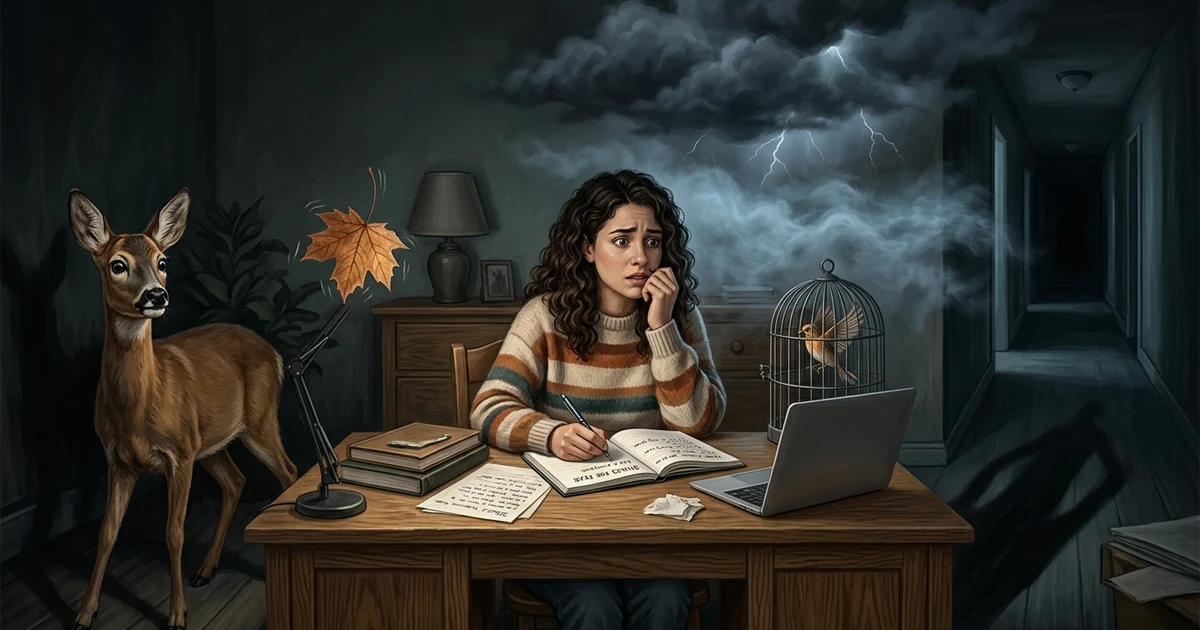
Fear is one of the strongest emotions people experience. It can make your heart race, your hands shake, your body freeze, or your thoughts spiral out of control. But simply writing that someone was “scared” or “afraid” does not always show readers how intense that feeling really was.
That is where similes for fear can help.
A simile compares one thing to another using words such as like or as. It gives readers a clear image of what fear looks, feels, or sounds like. Instead of saying, “She was terrified,” you might write, “She stood frozen like a deer in headlights.” The second sentence creates a stronger picture and helps the reader feel the character’s fear.
Fear similes can be useful in stories, essays, poetry, creative writing, and even everyday conversations. They can describe sudden panic, quiet anxiety, physical reactions, or the slow feeling of dread that grows over time.
In this guide, you will find 30 similes for fear, along with their meanings, examples, and practical tips for using them naturally in your writing.
What Is a Fear Simile?
A fear simile is a comparison that helps describe fear by connecting it to something familiar.

Most similes use like or as.
For example:
- He shook like a leaf in the wind.
- She froze like a statue.
- His heart raced like a trapped bird.
- Fear spread through him like cold water.
These comparisons help readers imagine the emotion instead of simply being told that a character is scared.
A strong fear simile usually focuses on one of three things:
- What fear does to the body
- What fear feels like emotionally
- How a person reacts when they feel threatened
The best similes are easy to understand and fit naturally into the situation.
Why Similes for Fear Make Writing Better
Fear can be difficult to describe because people experience it in different ways. One person may freeze, another may run, and someone else may become completely silent.
Similes give writers more ways to show those reactions.
Without a simile:
He was very scared.
With a simile:
He stood frozen like a deer caught in headlights.
The second sentence gives the reader something they can picture immediately.
Fear similes can help you:
- Create stronger emotional scenes
- Show physical reactions to fear
- Build suspense
- Make characters feel more realistic
- Improve poetry and descriptive writing
- Avoid repeating words like scared, afraid, or terrified
The key is to use them naturally. One strong simile can have more impact than several comparisons packed into the same paragraph.
30 Similes for Fear With Meanings and Examples
1. Like a rabbit caught in headlights
Meaning: Completely shocked, frightened, and unable to move.
Example:
When the teacher suddenly asked him to speak, he stood there like a rabbit caught in headlights.
Best for: Sudden fear, shock, and helplessness.
2. As cold as a winter wind
Meaning: Fear that creates a chilling feeling in the body.
Example:
A sense of dread passed through her, as cold as a winter wind.
Best for: Horror, suspense, and unsettling moments.
3. Like a leaf in a storm
Meaning: Shaking uncontrollably because of fear or nervousness.
Example:
His hands trembled like a leaf in a storm as he opened the door.
Best for: Visible physical reactions.
4. As dark as a moonless night
Meaning: Fear connected to uncertainty, danger, or the unknown.
Example:
The future suddenly felt as dark as a moonless night.
Best for: Psychological fear and uncertainty.
5. Like a frozen statue
Meaning: So frightened that you cannot move or speak.
Example:
She stood like a frozen statue when she heard footsteps behind her.
Best for: Intense terror and shock.
6. As jittery as a cat on a hot tin roof
Meaning: Extremely nervous and unable to relax.
Example:
He was as jittery as a cat on a hot tin roof while waiting for the results.
Best for: Nervous anticipation and anxiety.
7. Like an abandoned house
Meaning: Haunted by a lingering feeling of fear or dread.
Example:
After the accident, his mind felt like an abandoned house filled with old shadows.
Best for: Lingering emotional fear.
8. As tight as a drum
Meaning: Feeling tense and physically uncomfortable because of fear.
Example:
Her chest felt as tight as a drum as she waited for the phone to ring.
Best for: Anxiety and suspense.
9. Like a shadow passing over the sun
Meaning: Fear that appears suddenly and briefly changes the mood.
Example:
A flash of panic crossed his mind like a shadow passing over the sun.
Best for: Short moments of fear.
10. Like a scream in the dark
Meaning: A sudden and sharp feeling of terror.
Example:
The sound struck her like a scream in the dark.
Best for: Sudden scares.
11. Like an empty hallway at midnight
Meaning: A fearful feeling created by loneliness, silence, or isolation.
Example:
The building felt like an empty hallway at midnight, silent and unsettling.
Best for: Abandoned or lonely settings.
12. Like thick smoke in the lungs
Meaning: Fear that feels overwhelming and suffocating.
Example:
Panic rose inside him like thick smoke in the lungs.
Best for: Intense anxiety and panic.
13. Like a trapped bird
Meaning: Frightened and desperate to escape.
Example:
Her heart beat like a trapped bird against its cage.
Best for: Physical fear and panic.
14. Like stormy seas
Meaning: Thoughts and emotions that are restless and difficult to control.
Example:
His mind churned like stormy seas as he waited for the news.
Best for: Deep anxiety.
15. Like a predator hiding in the grass
Meaning: A feeling that danger may be close even when it cannot be seen.
Example:
Fear waited in the back of her mind like a predator hiding in the grass.
Best for: Suspense and anticipation.
16. Like a startled deer
Meaning: Reacting instantly to unexpected danger.
Example:
He jumped back like a startled deer when the window suddenly slammed shut.
Best for: Quick reactions.
17. Like a witness afraid to speak
Meaning: Fear that makes someone silent.
Example:
She sat quietly like a witness afraid to speak, keeping the truth to herself.
Best for: Secrecy and emotional tension.
18. As fragile as thin ice
Meaning: Feeling emotionally weak and close to breaking.
Example:
His confidence felt as fragile as thin ice after hearing the news.
Best for: Vulnerability and emotional fear.
19. Like a shadow in broad daylight
Meaning: A strange feeling that something is wrong even when there is no obvious danger.
Example:
He felt uneasy, like a shadow in broad daylight.
Best for: Subtle fear and discomfort.
20. Like footsteps echoing through empty halls
Meaning: Fear that feels stronger because of silence and isolation.
Example:
Every sound seemed louder, like footsteps echoing through empty halls.
Best for: Suspenseful settings.
21. Like iron chains around the chest
Meaning: Fear that feels impossible to escape.
Example:
Anxiety wrapped around him like iron chains around his chest.
Best for: Overwhelming fear.
22. Like a sudden thunderclap
Meaning: An unexpected shock that causes instant fear.
Example:
The news hit her like a sudden thunderclap.
Best for: Sudden panic or shocking news.
23. As watchful as an owl in the dark
Meaning: Extremely alert because of possible danger.
Example:
He stayed as watchful as an owl in the dark, listening to every sound.
Best for: Suspicion and caution.
24. Like a maze with no exit
Meaning: Fear that creates confusion and makes escape seem impossible.
Example:
His thoughts twisted like a maze with no exit.
Best for: Psychological fear.
25. Like spiders crawling across the skin
Meaning: A creepy and uncomfortable feeling of fear.
Example:
A chill moved across her arms like spiders crawling across her skin.
Best for: Horror and creepy scenes.
26. Like ice running through the veins
Meaning: A sudden cold feeling caused by terror.
Example:
The sound sent fear through him like ice running through his veins.
Best for: Sudden dread.
27. Like a drum beating inside the chest
Meaning: A fast and powerful heartbeat caused by fear.
Example:
His heart pounded like a drum beating inside his chest.
Best for: Action and suspense scenes.
28. Like morning mist that refuses to lift
Meaning: A quiet feeling of fear that stays for a long time.
Example:
The uneasy feeling followed her like morning mist that refused to lift.
Best for: Lingering dread.
29. Like shattered glass under bare feet
Meaning: Fear that feels sharp, painful, and difficult to escape.
Example:
Every thought about the future felt like shattered glass under bare feet.
Best for: Emotional pain and anxiety.
30. As silent as a grave
Meaning: A terrifying silence or complete stillness.
Example:
After the lights went out, the room became as silent as a grave.
Best for: Horror and suspense.
Popular Animal Similes for Fear
Animal comparisons are some of the easiest and most natural ways to describe fear. Animals often show clear reactions to danger, which makes the imagery easy for readers to understand.
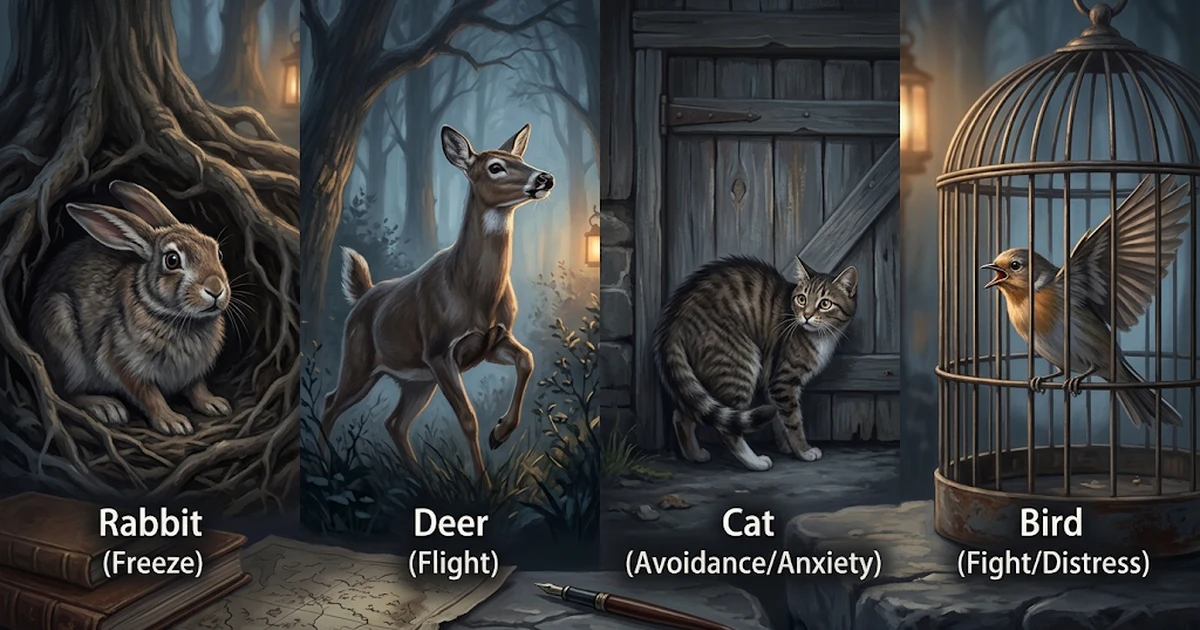
Some useful examples include:
- As scared as a mouse
- As timid as a rabbit
- Like a deer in headlights
- Like a rabbit hiding from a fox
- Like a trapped bird
- As alert as a cat sensing danger
- Like a dog during a thunderstorm
Animal similes work especially well when you want to show vulnerability, quick reactions, or nervous behavior.
Fear Similes That Show Sudden Panic
Sudden fear happens quickly. A character may hear a loud noise, see something unexpected, or realize they are in danger.
These similes can help show that instant reaction:
- Panic hit him like a lightning strike.
- Fear crashed over her like a wave.
- His heart jumped like a startled bird.
- She froze like ice in winter.
- The sound struck him like a thunderclap.
Fast and sharp images usually work best for sudden panic.
Fear Similes That Describe Deep Anxiety
Not all fear happens in one sudden moment. Sometimes it grows slowly and stays with a person.
You can use deeper imagery for this type of fear:
- Fear sat in his chest like a heavy stone.
- Her worries gathered like storm clouds.
- Anxiety followed him like a shadow.
- Fear wrapped around her like a tight rope.
- The feeling stayed like fog over a quiet town.
These similes work well in stories that focus on emotional tension or uncertainty.
Fear Similes for Physical Reactions
Fear often affects the body before a person even has time to think.
You can describe those reactions with similes such as:
- His hands shook like loose wires.
- Her knees felt weak like soft clay.
- His breath came like short bursts of wind.
- Her heart raced like a trapped bird.
- His skin turned cold like winter ice.
Adding physical details can make a fear scene feel more realistic.
Fear Similes for Dark and Suspenseful Scenes
Darkness and silence are often connected with fear because they create uncertainty.
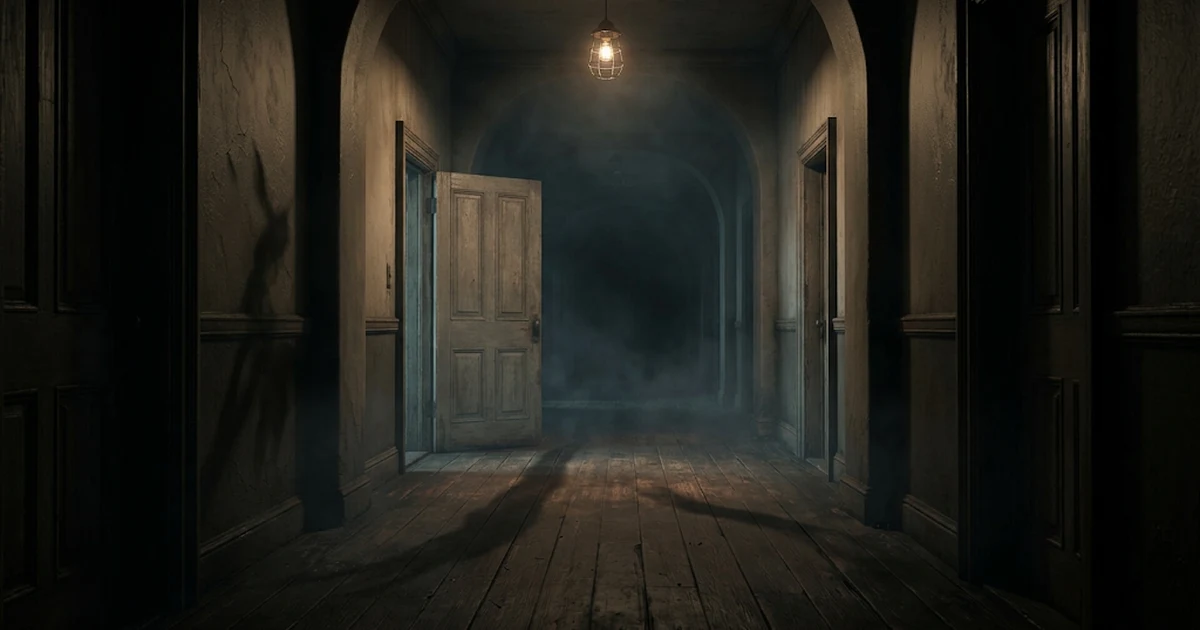
Try comparisons like these:
- Fear spread like shadows across the wall.
- The road ahead looked as dark as a moonless night.
- Silence filled the room like thick fog.
- The hallway stretched like a tunnel with no end.
- Fear followed him like footsteps behind him.
These images can help build atmosphere in horror, mystery, thriller, and suspense writing.
How to Write Your Own Fear Similes
Writing your own similes does not have to be difficult.
Follow these three simple steps.
1. Identify the type of fear
Ask yourself what kind of fear the character is feeling.
Is it:
- Sudden panic?
- Quiet anxiety?
- Terror?
- Nervousness?
- Fear of the unknown?
Different emotions need different images.
2. Think about what happens physically
Fear can make people:
- Shake
- Freeze
- Sweat
- Run
- Hold their breath
- Feel cold
- Speak quietly
Use those reactions as inspiration.
For example:
Feeling: Fast heartbeat
Image: A drum
Simile:
His heart beat like a drum in his chest.
3. Use familiar images
The best similes are easy to imagine.
Nature, animals, weather, everyday objects, and common experiences can all provide useful ideas.
For example:
- Fear spread like cold water.
- She shook like a leaf in the wind.
- His thoughts moved like storm clouds.
- He stood frozen like a statue.
Do not force a complicated comparison when a simple one works better.
How to Make Fear Similes Sound Original
Many common similes are effective, but using the same comparisons repeatedly can make writing feel predictable.
Instead of always writing:
Like a deer in headlights.
You could try:
Like a child who suddenly realizes they are lost in a crowded store.
Both comparisons show helplessness, but the second creates a more specific image.
To make your similes more original:
- Observe real-life reactions
- Use personal experiences as inspiration
- Think about sounds, textures, and physical sensations
- Combine familiar ideas in fresh ways
- Avoid using unusual comparisons that confuse the reader
Original does not always mean complicated. A clear and specific image is usually stronger than a strange one.
Common Mistakes to Avoid
Fear similes can improve writing, but they can also weaken it when overused.

Using too many similes
One paragraph filled with comparisons can feel overwhelming.
Instead of writing three or four similes in every sentence, choose the strongest one.
Using confusing images
A simile should make the meaning clearer.
If readers have to stop and figure out what the comparison means, it may not be effective.
Repeating the same idea
Avoid using “like a deer in headlights” several times in the same article or story.
Mix different types of imagery.
Making every fear reaction dramatic
Not every character will scream or freeze. Some people become quiet, avoid eye contact, or try to act normal.
Match the simile to the character and situation.
Forgetting the context
A funny simile may not work in a serious horror scene.
Always consider the tone of your writing.
Short Fear Similes for Quick Impact
Sometimes a short comparison creates the strongest effect.
Here are a few examples:
- Like ice in his veins
- As still as stone
- Like a trapped bird
- As cold as winter
- Like a shadow at the door
- As silent as a grave
- Like a storm inside
- As fragile as thin ice
Short similes work well in dialogue, action scenes, poetry, and fast-paced storytelling.
How to Turn Weak Fear Sentences Into Strong Ones
Here are a few examples.
Weak:
He was very scared.
Stronger:
He stood frozen like a statue.
Weak:
She felt nervous.
Stronger:
She shook like a leaf in the wind.
Weak:
He was afraid something bad would happen.
Stronger:
Fear sat in his chest like a heavy stone.
Weak:
The room was scary.
Stronger:
The room was as silent as a grave.
The goal is not to add a simile to every sentence. Use one when it creates a clearer and stronger image.
Conclusion
Similes for fear are a simple but powerful way to make writing more emotional and vivid. Instead of repeatedly saying that someone is scared, nervous, or terrified, you can show the feeling through images that readers immediately understand.
Fear can feel like ice running through the veins, like a trapped bird beating inside the chest, or like a shadow that refuses to disappear. Each comparison shows a different side of the emotion.
The best fear similes are clear, natural, and connected to the situation. You do not need complicated language to create a strong image. A simple comparison, used at the right moment, can make a scene more memorable and help readers feel exactly what a character is experiencing.
Use these examples as inspiration, experiment with your own ideas, and pay attention to how fear appears in real life. With practice, you can create fear similes that make your stories, essays, and creative writing feel more vivid, natural, and emotionally powerful.
Frequently Asked Questions About Similes for Fear
1. What is a simile for fear?
A simile for fear compares the feeling of being scared to something familiar using words such as like or as. For example, “He shook like a leaf in the wind.”
2. Why are similes useful when describing fear?
Similes help readers picture and feel the emotion. They show how fear affects a character instead of simply saying that the character is scared.
3. Can I use fear similes in essays?
Yes. Simple and clear similes can improve descriptive and creative essays. Just make sure they match the tone of your writing.
4. Are fear similes only used in horror stories?
No. They can be used in suspense, drama, thrillers, adventure stories, poetry, personal narratives, and everyday writing.
5. What is the most common simile for fear?
One of the most common examples is “like a deer in headlights.” It describes someone who is so shocked or frightened that they freeze.
6. How can I create an original simile for fear?
Start by thinking about the physical or emotional reaction. Then connect it with a familiar image. For example, a racing heart could become “like a trapped bird beating against a cage.”
7. Can animal similes describe fear?
Yes. Animals are often used because their reactions to danger are easy to imagine. Rabbits, deer, birds, mice, and cats can all be used to describe different types of fear.
8. How many similes should I use in one paragraph?
Usually, one strong simile is enough. Using too many comparisons can make your writing feel crowded or unnatural.
9. Are short similes effective?
Yes. Short similes such as “like ice in his veins” or “as still as stone” can create a quick and powerful emotional effect.
10. What makes a fear simile strong?
A strong fear simile has three things: a clear image, a natural connection to the emotion, and language that fits the situation.
