
Quick Answer
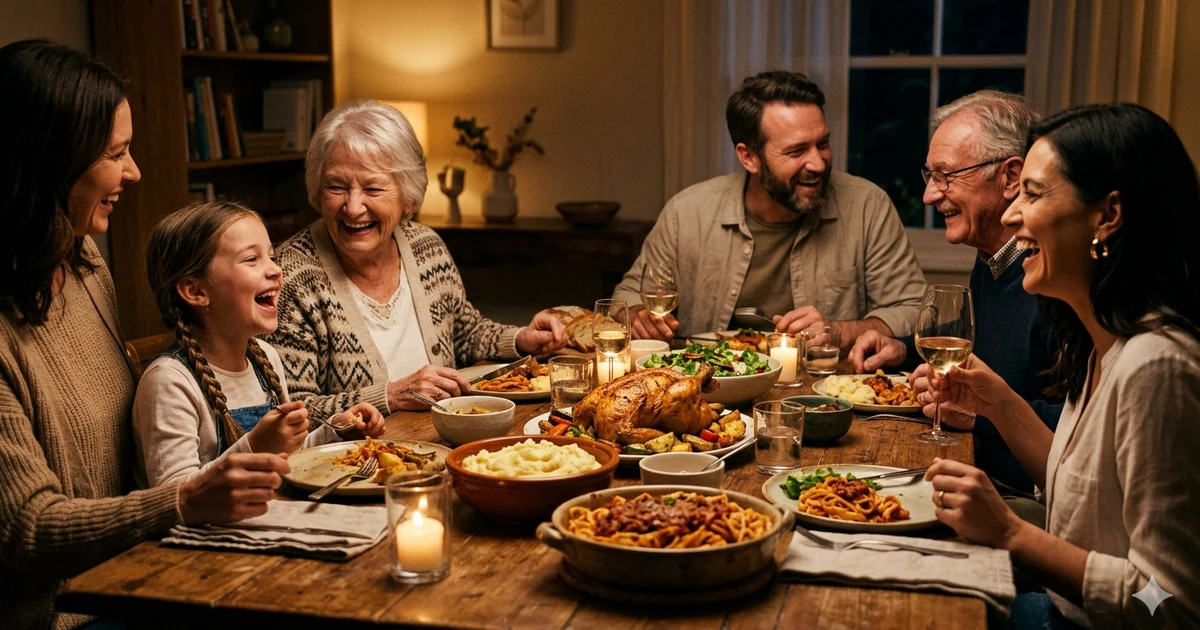
A simile for dinner compares a meal or dinner scene to something familiar by using words like “like” or “as.” Writers use these comparisons to make food descriptions more vivid, emotional, and memorable.
Introduction
Dinner often means more than food on a table. It can show love, comfort, stress, celebration, or even loneliness. Writers use similes to turn ordinary dinner scenes into vivid moments that readers can picture and feel.
A strong simile for dinner adds flavor to your writing. It helps readers imagine smells, sounds, emotions, and conversations in a natural way. Whether you write stories, poems, essays, captions, or school assignments, the right comparison can make your words more memorable.
In this guide, you will learn how to write creative dinner similes, avoid common mistakes, and use realistic examples that sound smooth instead of forced.
What Does Simile for Dinner Mean in Writing
A simile compares one thing to another by using words like “as” or “like.” A simile for dinner compares a meal or dinner scene to something familiar so readers can understand the feeling more clearly.
Examples:
- The dinner smelled like a bakery on a winter morning.
- Their family dinner felt as warm as a fireplace.
- The soup bubbled like rainwater on hot pavement.
These comparisons make writing stronger because readers can connect with real images and emotions.
Why Writers Use Similes to Describe Dinner Scenes
Dinner scenes often carry emotion. Writers use similes to make those emotions easier to understand.
A romantic dinner may feel soft and calm. A tense family dinner may feel sharp and uncomfortable. Similes help readers experience those moods instantly.
Example:
- Silence at the table spread like thick fog.
This single line creates tension without long explanations.
Writers also use dinner similes to:
- Build atmosphere
- Show character emotions
- Add humor
- Improve storytelling
- Create sensory detail
How Similes Make Food Descriptions More Memorable
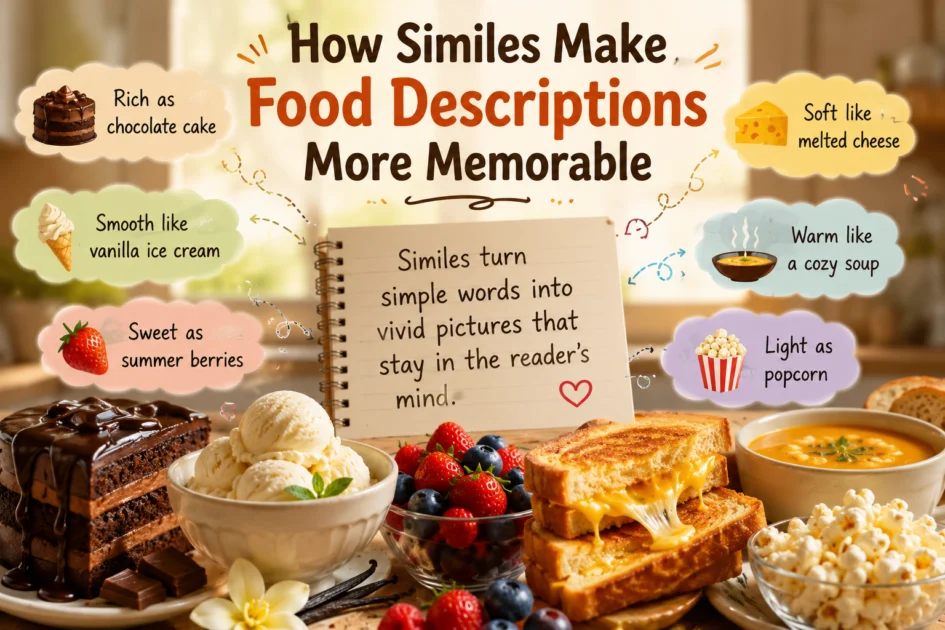
Readers remember images more than plain descriptions. A simile turns simple food writing into something vivid.
Weak description:
- The steak tasted good.
Stronger description:
- The steak melted like butter on warm bread.
The second sentence creates texture and feeling. Readers can almost taste the meal themselves.
Good food similes often describe:
- Smell
- Texture
- Temperature
- Flavor
- Emotion connected to eating
Simple Simile for Dinner Examples for Beginners
Beginners should start with clear and easy comparisons.
Examples:
- The noodles curled like tiny snakes.
- The chicken smelled like Sunday afternoons at grandma’s house.
- The rice looked as white as fresh snow.
- The dinner table shined like glass.
- The soup warmed me like a thick blanket.
Simple similes work best when they sound natural and easy to imagine.
Funny Simile for Dinner That Makes Readers Smile
Funny similes add personality to stories and casual writing.
Examples:
- Dad attacked the buffet like a pirate finding treasure.
- The pasta disappeared like magic at a kids party.
- My brother chewed as loudly as a lawn mower.
- The burnt toast looked like charcoal from a campfire.
- Everyone grabbed pizza slices like shoppers during a sale.
Humor works best when the comparison feels relatable.
Romantic Simile for Dinner in Love Stories
Romantic dinner scenes need soft and emotional imagery.
Examples:
- Candlelight danced like stars across the table.
- Her smile felt sweeter than the dessert beside her.
- Their quiet dinner wrapped around them like soft music.
- The restaurant glowed like a dream at midnight.
These similes create warmth and emotional closeness.
Simile for Dinner That Describes Family Gatherings
Family dinners often feel lively, noisy, and emotional.
Examples:
- The kitchen buzzed like a crowded marketplace.
- Laughter spread across the table like sunshine.
- The dining room felt as cozy as a childhood memory.
- Everyone talked at once like competing radio stations.
Family dinner similes should capture connection and energy.
Creative Similes for Fancy Restaurant Dinners
Fancy dining scenes need elegant comparisons.
Examples:
- The wine sparkled like liquid rubies.
- The dessert looked like artwork in a museum.
- The restaurant glowed like a palace ballroom.
- Every bite tasted like a celebration.
Luxury similes should sound refined but still natural.
Simile for Dinner That Shows Hunger Clearly
Hunger creates strong emotions, and similes help express that feeling vividly.
Examples:
- I ate like a wolf after a long hunt.
- My stomach growled like distant thunder.
- He stared at the pizza like a sailor spotting land.
- We finished dinner as quickly as runners crossing a finish line.
These comparisons show urgency and craving.
Emotional Simile for Dinner in Sad Scenes
Some dinner scenes carry sadness, grief, or loneliness.
Examples:
- Silence hung over the table like heavy rain clouds.
- The cold meal sat untouched like forgotten memories.
- Dinner felt as empty as an abandoned house.
- Her voice cracked like thin ice during the conversation.
Emotional similes should match the mood without sounding dramatic.
Simile for Dinner in Holiday Celebrations
Holiday dinners often feel joyful and colorful.
Examples:
- The table sparkled like a festival of lights.
- The turkey smelled like comfort after a long journey.
- Family voices rose like music during the celebration.
- The desserts lined the counter like treasures in a bakery window.
Holiday similes should create warmth and excitement.
Similes That Describe Delicious Homemade Meals
Homemade dinners often connect with comfort and care.
Examples:
- The soup hugged my stomach like warmth on a cold day.
- Fresh bread smelled like happiness straight from the oven.
- Grandma’s cooking tasted like childhood memories.
- The kitchen felt as welcoming as home after years away.
These comparisons create emotional connection.
Simile for Dinner Conversations in Storytelling
Dinner conversations often reveal relationships between characters.
Examples:
- Their argument spread like fire across dry grass.
- The jokes bounced around the room like tennis balls.
- Her words landed like stones on the quiet table.
- Their laughter flowed like music through the house.
Dialogue similes help shape mood and tension.
How to Write Original Dinner Similes Without Sounding Repetitive
Original similes come from observation. Avoid copying overused comparisons.
Instead of writing:
- Sweet as sugar
Try:
- Sweet like strawberries picked in summer heat
To create fresh similes:
- Use personal experiences
- Focus on specific details
- Think about senses
- Compare emotions naturally
Strong similes sound believable and vivid.
Common Mistakes to Avoid When Writing Food Similes
Many writers make similes too complicated or unrealistic.
Avoid these mistakes:
- Using clichés too often
- Adding too many similes in one paragraph
- Comparing unrelated things
- Making comparisons confusing
- Forcing dramatic imagery
Bad example:
- The soup exploded like a galaxy of endless emotional chaos.
Simple writing usually works better.
Simile for Dinner in Poetry and Creative Writing
Poets often use dinner imagery to show deeper emotions.
Examples:
- Steam curled like ghosts above the bowls.
- The candles flickered like nervous hearts.
- The meal rested between them like unfinished truth.
Creative writing benefits from emotional and sensory detail.
Best Simile for Dinner Examples for Students
Students need examples that feel easy to understand and use.
Examples:
- The spaghetti twisted like ropes.
- The chicken smelled like a backyard barbecue.
- The dinner table looked like a colorful painting.
- The soup warmed me like sunlight after rain.
These examples work well in essays and school assignments.
Simile for Dinner That Creates Strong Visual Imagery
Visual imagery helps readers picture the scene instantly.
Examples:
- The golden pie sat on the table like a shining crown.
- Steam rose from the rice like morning mist.
- The candles glowed like tiny suns.
- The roasted vegetables looked like autumn leaves.
Visual similes make scenes more cinematic and detailed.
How Authors Use Similes to Describe Taste and Smell
Taste and smell often feel difficult to describe directly. Similes make them easier to imagine.
Examples:
- The coffee smelled like roasted earth after rain.
- The garlic bread tasted like comfort on a cold evening.
- The spicy sauce burned like fire on my tongue.
- The cinnamon rolls smelled like holidays at home.
Sensory similes help readers feel connected to the meal.
Tips to Create Your Own Simile for Dinner Naturally
Good similes come from real observation.
Follow these tips:
- Notice colors and textures
- Think about emotions during meals
- Use familiar comparisons
- Keep sentences short and clear
- Read food descriptions from novels and poetry
Practice example:
Instead of:
- The pasta was good.
Try:
- The pasta tasted like comfort after a hard day.
Natural comparisons always sound stronger.
Conclusion
A strong simile for dinner can turn an ordinary meal into a vivid memory. It helps readers see the table, smell the food, and understand the emotions behind the scene. Whether you write funny moments, romantic dinners, family gatherings, or emotional conversations, the right comparison makes your writing feel alive.
The best similes stay simple, natural, and specific. Focus on real experiences, sensory details, and clear emotions. With practice, you can create dinner similes that sound fresh and memorable in every type of writing.
FAQs
What is a simile for dinner?
A simile for dinner compares a dinner scene or meal to something else using words like “like” or “as.”
Why do writers use similes in food descriptions?
Writers use similes to create stronger imagery and help readers imagine taste, smell, and emotion.
What is an example of a dinner simile?
“The soup warmed me like a thick blanket on a cold night.”
Can students use dinner similes in essays?
Yes. Dinner similes improve descriptive essays and creative writing assignments.
How do I create original similes for dinner?
Use real observations, emotions, and sensory details from everyday meals.
What makes a food simile effective?
An effective simile sounds natural, clear, and easy to imagine.
Are dinner similes useful in storytelling?
Yes. They help build atmosphere and reveal emotions between characters.
Can similes describe dinner conversations?
Yes. Writers often use similes to show tension, humor, or warmth during meals.
Should I use many similes in one paragraph?
No. Too many similes can make writing feel crowded and repetitive.
What are common mistakes in dinner similes?
Writers often use clichés, confusing comparisons, or overly dramatic imagery.
