
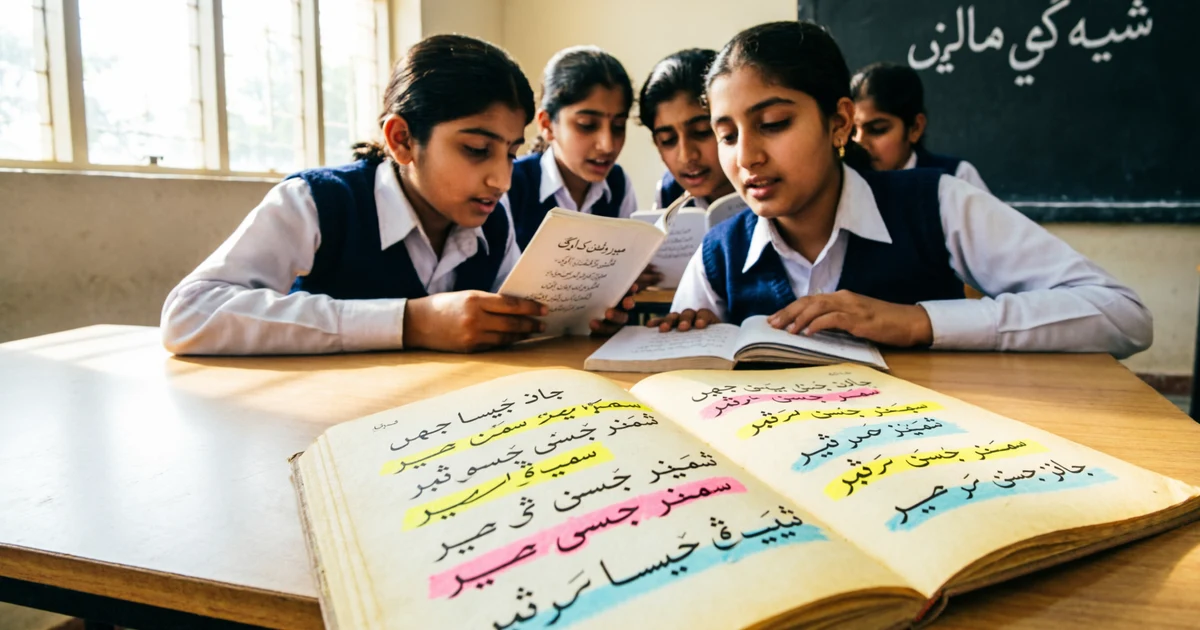
Quick Answer
A simile in Urdu is called “تشبیہ”. It compares two things using words like “جیسے” or “کی طرح” to make sentences more expressive. Example:
“وہ شیر کی طرح بہادر ہے” meaning “He is brave like a lion.”
Introduction
Language becomes more powerful when you compare ideas in a creative way. Similes help people describe emotions, beauty, personality, and situations with clear images that readers can easily understand. Urdu language uses similes in daily conversation, poetry, storytelling, and speeches to make words more expressive and memorable.
In this guide, you will learn what similes mean in Urdu, how they work, and how people use them naturally. You will also explore many Urdu simile examples with meanings that will improve your speaking and writing skills.
What is a simile in Urdu language
A simile compares two different things by using comparison words. In Urdu, people often use words like “جیسے” and “کی طرح” to create similes.
Example:
- وہ شیر کی طرح بہادر ہے
He is brave like a lion.
This sentence compares a person with a lion to show courage.
Urdu similes make ideas vivid and easier to imagine.
Why similes make Urdu sentences more expressive
Simple sentences share information, but similes add emotion and color. They help listeners picture the meaning clearly.
Compare these sentences:
- اس کی آواز اچھی ہے
Her voice is good. - اس کی آواز کوئل کی طرح میٹھی ہے
Her voice is sweet like a cuckoo bird.
The second sentence sounds richer and more emotional.
Difference between simile and metaphor in Urdu
Many people confuse similes with metaphors. Both compare things, but they work differently.
Simile
A simile uses comparison words.
Example:
- وہ چاند کی طرح خوبصورت ہے
She is beautiful like the moon.
Metaphor
A metaphor directly calls one thing another.
Example:
- وہ چاند ہے
She is the moon.
Similes sound softer and more descriptive.
Common Urdu comparison words used in similes
Urdu speakers use several common words to create similes.
Popular comparison words
- جیسے
- کی طرح
- جیسا
- مانند
- کے مانند
Example:
- اس کا چہرہ پھول جیسا ہے
Her face is like a flower.
Learning these words makes simile creation easier.
Simple simile examples in Urdu with English meaning
Here are some easy examples beginners can understand quickly.
- وہ برف کی طرح ٹھنڈا ہے
He is cold like ice. - بچہ پھول کی طرح معصوم ہے
The child is innocent like a flower. - اس کی آنکھیں ستاروں کی طرح چمکتی ہیں
Her eyes shine like stars. - وہ بجلی کی طرح تیز دوڑتا ہے
He runs fast like lightning. - اس کا دل سمندر کی طرح بڑا ہے
His heart is as big as the sea.
Daily life similes Urdu speakers use in conversation
People use similes naturally in normal conversations.
Common examples
- تم کچھوے کی طرح چل رہے ہو
You walk like a turtle. - وہ مشین کی طرح کام کرتا ہے
He works like a machine. - آج تم سورج کی طرح چمک رہے ہو
You shine like the sun today.
These expressions make conversations more lively.
Beautiful Urdu similes for describing people
Urdu language often uses poetic comparisons to describe beauty and personality.
Examples
- اس کا چہرہ چاند کی طرح روشن ہے
- اس کی ہنسی پھولوں کی طرح خوبصورت ہے
- اس کی باتیں شہد کی طرح میٹھی ہیں
Such similes create strong emotional impact.
Urdu similes that describe emotions clearly
Similes help people explain feelings more deeply.
Examples
- اس کا دل پتھر کی طرح سخت ہے
- وہ بچے کی طرح رو رہا تھا
- میرا دل آگ کی طرح جل رہا ہے
These comparisons make emotions easier to understand.
Funny simile examples in Urdu with meanings
Funny similes make conversations entertaining.
Examples
- وہ بندر کی طرح اچھل رہا تھا
- تم ریڈیو کی طرح بولتے رہتے ہو
- وہ بلی کی طرح دبے پاؤں آیا
Humorous similes work well in friendly conversations.
Urdu similes used in poetry and literature
Urdu poetry heavily depends on similes. Poets use comparisons to express love, sadness, beauty, and hope.
Famous poetic styles
- محبوب کو چاند سے تشبیہ دینا
- آنکھوں کو سمندر کہنا
- عشق کو آگ سے جوڑنا
These literary similes create deep emotional meaning.
Simile examples in Urdu for students and beginners
Students learn similes more easily through short examples.
Beginner friendly examples
- وہ ہوا کی طرح تیز ہے
- کتاب خزانے کی طرح قیمتی ہے
- استاد شمع کی طرح روشنی دیتے ہیں
Teachers often use these examples in classrooms.
How to create your own similes in Urdu
You can create Urdu similes by following simple steps.
Choose a quality
Think about the feature you want to describe.
Find a matching image
Choose something famous for that quality.
Connect them
Use comparison words naturally.
Example:
- آواز + کوئل
- اس کی آواز کوئل کی طرح میٹھی ہے
Practice improves creativity.
Urdu similes that improve creative writing skills
Writers use similes to make stories more engaging.
Instead of writing:
- رات بہت خاموش تھی
You can write:
- رات قبرستان کی طرح خاموش تھی
This sentence creates a stronger image in the reader’s mind.
Best Urdu similes for storytelling and speeches
Speeches and stories become memorable with similes.
Strong storytelling examples
- فوجی پہاڑ کی طرح مضبوط کھڑا تھا
- بچہ تتلی کی طرح خوش تھا
- وقت ہوا کی طرح گزر گیا
These comparisons help audiences connect emotionally.
Romantic similes commonly used in Urdu language
Romantic Urdu expressions often sound soft and poetic.
Examples
- تمہاری آنکھیں جھیل کی طرح گہری ہیں
- تمہاری مسکراہٹ صبح کی روشنی جیسی ہے
- تمہاری آواز موسیقی کی طرح خوبصورت ہے
Such similes appear in poetry, songs, and love letters.
Nature based similes in Urdu with explanations
Nature gives endless inspiration for similes.
Examples
- وہ درخت کی طرح صبر والا ہے
- اس کا غصہ طوفان کی طرح تھا
- اس کی زندگی بہتے پانی کی طرح پرسکون تھی
Nature similes create strong visual imagery.
Short Urdu similes children can learn easily
Children remember short similes quickly.
Easy examples
- چاند جیسا چہرہ
- شیر جیسا بہادر
- پھول جیسا نرم
- ہوا جیسا تیز
These examples help children improve vocabulary.
Mistakes people make while using similes in Urdu
Some people overuse similes or create confusing comparisons.
Common mistakes
- Using unrelated comparisons
- Repeating the same similes too often
- Making sentences too complicated
Good similes sound natural and easy to understand.
How Urdu similes improve spoken communication
Similes make speech more interesting and emotional. They help listeners understand ideas quickly.
Public speakers, teachers, and storytellers often use similes because people remember vivid comparisons longer than plain sentences.
Practice exercises to learn Urdu similes faster
Practice helps you master similes naturally.
Exercise ideas
- Compare people with animals
- Describe emotions using weather
- Create beauty related comparisons
- Rewrite simple sentences using similes
Example:
Simple sentence:
- وہ بہت تیز ہے
Simile version:
- وہ چیتے کی طرح تیز ہے
Daily practice builds creativity and confidence.
Conclusion
Urdu similes bring beauty, emotion, and creativity into language. They help speakers explain thoughts in a vivid and memorable way. From daily conversations to poetry and storytelling, similes make Urdu more expressive and engaging.
Once you understand how comparisons work, you can easily create your own similes for speaking and writing. Simple practice and observation will help you use Urdu similes naturally and confidently.
FAQs
What is a simile in Urdu?
A simile compares two things using words like “جیسے” or “کی طرح”.
What is the Urdu word for simile?
The Urdu word for simile is “تشبیہ”.
Why do writers use similes in Urdu?
Writers use similes to create strong images and emotions.
What is an easy simile example in Urdu?
- وہ شیر کی طرح بہادر ہے
How do similes improve Urdu writing?
They make sentences more descriptive and interesting.
What is the difference between simile and metaphor?
A simile uses comparison words while a metaphor makes a direct comparison.
Are similes common in Urdu poetry?
Yes, Urdu poetry uses similes very often.
Which words help create Urdu similes?
Words like “جیسے” and “کی طرح” help create similes.
Can children learn Urdu similes easily?
Yes, short and simple comparisons help children learn quickly.
How can I practice Urdu similes daily?
Read Urdu poetry, observe comparisons, and create your own example sentences regularly.
