
Introduction
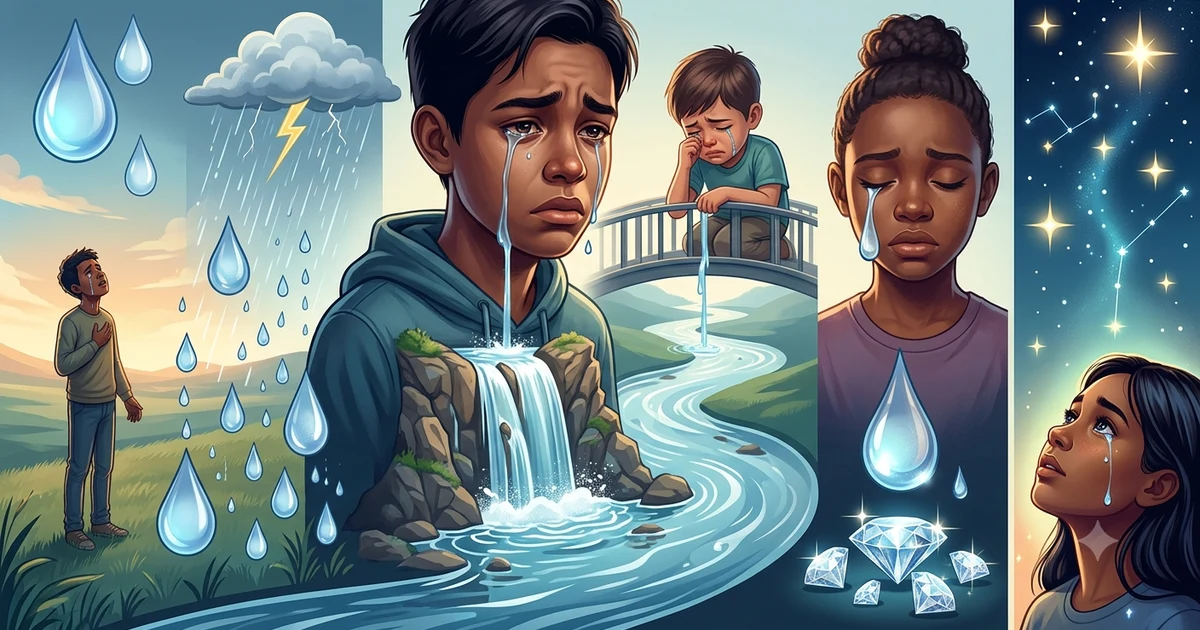
Everyone cries at some point. Tears can come from sadness, heartbreak, frustration, relief, happiness, or even laughter. Yet describing crying effectively is not always easy. A sentence like “She was crying” tells readers what happened, but it does not help them feel the emotion behind the tears.
That is where crying similes become useful. A well-crafted simile creates a vivid picture in the reader’s mind. Instead of simply stating that someone cried, you can show how they cried and what their emotions felt like. This makes writing more expressive, memorable, and relatable.
Writers, poets, students, and storytellers often use crying similes to bring scenes to life. Whether you want to describe silent tears rolling down a face, uncontrollable sobbing after a loss, or tears of joy after good news, the right simile can make all the difference.
In this guide, you will learn what crying similes are, why they matter, and how to use them effectively. You will also find 25 crying simile examples with meanings and sentences, along with tips and practice exercises to improve your writing.
Quick Answer
A crying simile compares crying to something else using words like “like” or “as.” These comparisons help readers visualize emotions more clearly and make writing more engaging. For example, “She cried like a waterfall” suggests endless tears, while “He cried like a lost puppy” conveys loneliness and vulnerability. Whether you are writing a story, poem, essay, or social media post, crying similes can transform simple descriptions into powerful emotional moments.
What Is a Crying Simile?
A crying simile is a figure of speech that compares crying to another object, action, or experience using the words “like” or “as.”
These comparisons help readers understand emotions more clearly by connecting them to familiar images.
Examples
- She cried like a waterfall.
- His tears fell like raindrops.
- She sobbed like a wounded bird.
- He cried like a lost puppy.
Each simile creates a different emotional effect and helps readers picture the scene more vividly.
Why Writers Use Crying Similes
Crying is a universal human experience, but not all tears mean the same thing. Similes help writers communicate the exact emotion behind the tears.
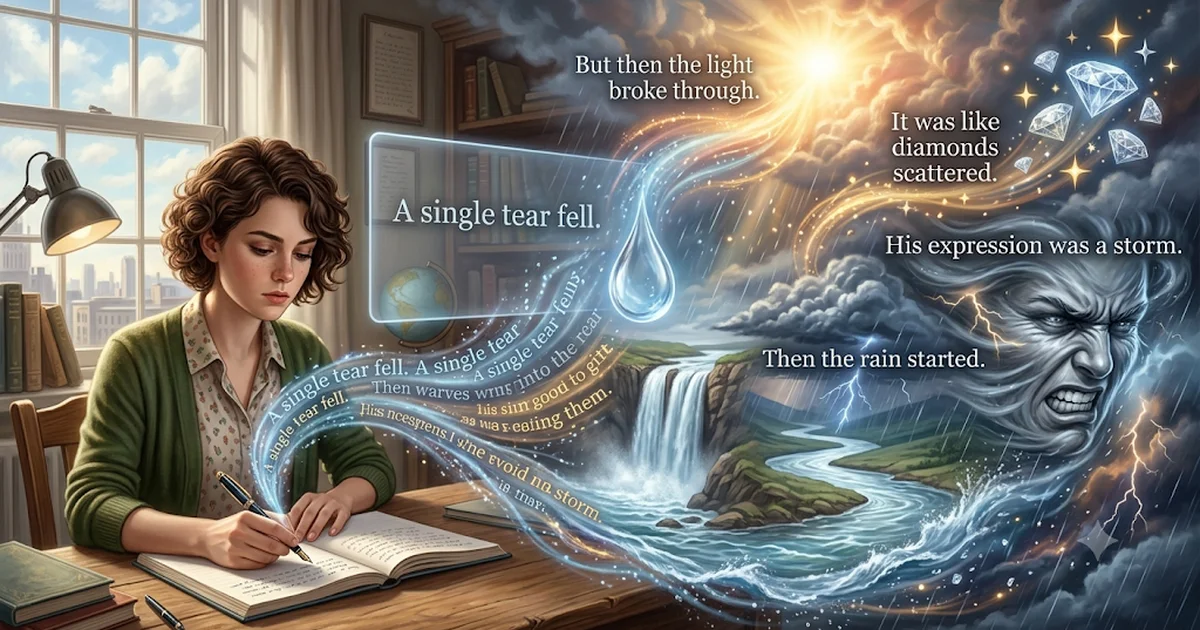
Writers use crying similes to:
- Show emotion instead of simply stating it.
- Create stronger mental images.
- Make characters feel more realistic.
- Add beauty and creativity to writing.
- Help readers connect emotionally with a scene.
Compare these two sentences:
Basic: She cried after hearing the news.
Better: She cried like a storm breaking loose after hearing the news.
The second sentence creates a stronger emotional impact.
Common Crying Similes at a Glance
| Simile | Meaning |
|---|---|
| Tears like raindrops | Crying heavily |
| Crying like a faucet | Continuous crying |
| Sobbing like a broken heart | Deep emotional pain |
| Crying like a baby | Loud, uncontrollable crying |
| Tears like a river | Steady flow of tears |
| Crying like a thunderstorm | Intense crying |
| Crying like a wounded animal | Distressed crying |
| Tears like a waterfall | Endless tears |
| Crying like a lost puppy | Lonely crying |
| Crying like a whisper | Quiet crying |
25 Crying Simile Examples With Meanings and Sentences
1. Tears Like Raindrops
Meaning: Crying heavily.
Example: She cried tears like raindrops when she lost her favorite toy.
2. Crying Like a Faucet
Meaning: Crying continuously without stopping.
Example: After the sad movie ended, he was crying like a faucet.
3. Sobbing Like a Broken Heart
Meaning: Experiencing deep emotional pain.
Example: She was sobbing like a broken heart after saying goodbye.
4. Crying Like a Baby
Meaning: Crying loudly and uncontrollably.
Example: He cried like a baby when he fell off his bike.
5. Tears Like a River
Meaning: A constant flow of tears.
Example: Tears flowed like a river when she heard the bad news.
6. Crying Like a Thunderstorm
Meaning: Crying with great intensity.
Example: The child cried like a thunderstorm after losing the game.
7. Crying Like a Broken Record
Meaning: Repeatedly crying about the same issue.
Example: She kept crying like a broken record over her missing bracelet.
8. Crying Like a Wounded Animal
Meaning: Sounding deeply distressed and hurt.
Example: He was crying like a wounded animal after the accident.
9. Crying Like a Movie Star
Meaning: Dramatic or theatrical crying.
Example: She cried like a movie star during the emotional scene.
10. Tears Like Diamonds
Meaning: Tears that sparkle in the light.
Example: Her tears looked like diamonds in the morning sun.
11. Crying Like a Rainstorm
Meaning: Intense emotional crying.
Example: He cried like a rainstorm after failing the test.
12. Crying Like a Leaky Faucet
Meaning: Tears coming and going unpredictably.
Example: She was crying like a leaky faucet throughout the day.
13. Tears Like a Waterfall
Meaning: Heavy, continuous tears.
Example: She cried tears like a waterfall when her pet went missing.
14. Crying Like a Raincloud
Meaning: Crying with sadness or anger.
Example: He sat alone crying like a raincloud after the argument.
15. Crying Like a Broken Doll
Meaning: Silent and helpless crying.
Example: She sat quietly crying like a broken doll.
16. Crying Like a Lost Puppy
Meaning: Feeling lonely and vulnerable.
Example: He cried like a lost puppy after moving to a new school.
17. Crying Like a Desert
Meaning: Feeling emotional but producing few tears.
Example: He was crying like a desert, struggling to shed a tear.
18. Crying Like Summer Rain
Meaning: Gentle and light crying.
Example: She cried like summer rain while remembering old memories.
19. Crying Like a Shooting Star
Meaning: Brief but intense crying.
Example: He cried like a shooting star after hearing the surprising news.
20. Crying Like a Candle Flame
Meaning: Soft and steady tears.
Example: She cried like a candle flame in the dark room.
21. Crying Like a Whisper
Meaning: Quiet and soft crying.
Example: He was crying like a whisper so nobody would hear him.
22. Crying Like a Melody
Meaning: Crying with a rhythmic pattern.
Example: Her tears came and went like a melody.
23. Crying Like a Flower in the Rain
Meaning: Beautiful sadness mixed with grace.
Example: She looked like a flower in the rain as tears rolled down her face.
24. Crying Like a Stormy Sea
Meaning: Experiencing turbulent emotions.
Example: He cried like a stormy sea after the devastating loss.
25. Crying Like a Wounded Bird
Meaning: Soft, sorrowful crying.
Example: She cried like a wounded bird when she heard the news.
Crying Similes for Different Emotions
For Heartbreak
- She cried like her heart had shattered.
- Tears fell like broken glass.
- He wept like a man who lost everything.
For Silent Tears
- Tears slipped down like quiet shadows.
- She cried like snow falling at night.
- His tears moved like a slow river.
For Uncontrollable Sobbing
- She cried like a storm breaking loose.
- He sobbed like thunder shaking the sky.
- She cried like crashing ocean waves.
For Happy Tears
- She cried like sunshine after rain.
- Tears sparkled like diamonds.
- He cried like a dream coming true.
For Humor
- He cried like he lost his phone forever.
- She cried like someone stole her snacks.
- He cried like a baby over spilled milk.
How to Create Your Own Crying Similes
Creating your own similes is easier than you might think.

Step 1: Identify the Emotion
Ask yourself what kind of crying you want to describe.
- Sadness
- Joy
- Anger
- Relief
- Loneliness
Step 2: Find a Similar Image
Think of something that reflects that emotion.
- Rain
- Storms
- Rivers
- Candles
- Shadows
Step 3: Build the Comparison
Use like or as.
Example:
Emotion: Quiet sadness
Simile: She cried like rain on a window.
Common Mistakes to Avoid
Using Too Many Similes
Too many comparisons can overwhelm readers.
Choosing Unrelated Comparisons
Bad example:
She cried like a rocket in space.
The image does not relate naturally to crying.
Relying on Clichés
Try creating fresh comparisons instead of repeating common ones.
Making Similes Too Complicated
Simple comparisons are often more effective.
Practice Exercise
Fill in the blanks with a suitable crying simile.
- When Sarah’s dog passed away, she cried __________.
- After losing the championship game, he cried __________.
- When Emma failed her exam, she cried __________.
- At the end of the emotional movie, the audience cried __________.
- After her best friend moved away, Lily cried __________.
Sample Answers
- Like a waterfall.
- Like a thunderstorm.
- Like a broken record.
- Tears like raindrops.
- Like a lost puppy.
Conclusion
Crying similes help transform ordinary descriptions into powerful emotional experiences. Instead of simply telling readers that someone cried, you can show the sadness, joy, heartbreak, or relief behind those tears through vivid comparisons.
Whether you use classic examples like “crying like a baby” or creative comparisons like “tears falling like fading stars,” the key is to make the emotion clear and relatable. With practice, you can create your own crying similes that bring stories, essays, poems, and conversations to life.
Frequently Asked Questions
What is a crying simile?
A crying simile is a comparison that describes crying using words like like or as to create stronger imagery.
Why are crying similes useful?
They help readers visualize emotions and connect more deeply with writing.
Can crying similes describe happy tears?
Yes. Similes can describe joy, relief, gratitude, and excitement as well as sadness.
What is the most common crying simile?
“Crying like a baby” is one of the most widely used crying similes.
Are crying similes suitable for school essays?
Yes, when used appropriately, they can make essays more descriptive and engaging.
How can I make my crying similes unique?
Use fresh, meaningful comparisons that relate directly to the emotion you want to express.
Can I use crying similes in poetry?
Absolutely. Similes are commonly used in poems to create vivid imagery and emotional depth.
