
Introduction
Cold is more than just a temperature. In writing, it can describe freezing weather, emotional distance, fear, loneliness, or even a lifeless atmosphere. Simply saying something is cold often fails to create a strong image in the reader’s mind. That is where cold similes become useful.
A cold simile compares a person, object, feeling, or situation to something cold using the words like or as. These comparisons help readers visualize and experience the chill you are describing. Whether you are writing a story, an essay, a poem, or a social media post, the right cold simile can make your writing more vivid and memorable.
In this guide, you will learn what cold similes are, why they matter, how to use them effectively, and discover a collection of examples that can instantly improve your descriptive writing.
What Is a Cold Simile?
A cold simile is a figure of speech that compares something to a cold object, condition, or experience using the words like or as.
The purpose of a cold simile is to help readers understand the intensity, feeling, or atmosphere of cold through a familiar comparison. Instead of simply stating that something is cold, a simile paints a clearer picture.
Examples
- As cold as ice
- As cold as a snowman’s nose
- Like a frozen lake
- As cold as a January morning
Each of these comparisons creates a stronger image than simply saying something is cold.
Why Writers Use Cold Similes
Cold similes make writing more descriptive and engaging. They help readers experience what the writer is describing instead of merely reading about it.
Writers often use cold similes to:
- Describe freezing weather
- Show emotional distance
- Create tension in stories
- Build atmosphere and mood
- Make descriptions more memorable
For example:
Plain sentence:
The wind was cold.
With a simile:
The wind cut through my coat like sharp ice.
The second sentence creates a much stronger visual and emotional effect.
Easy Cold Simile Examples for Beginners
If you are new to similes, start with simple and familiar comparisons.
Examples
- As cold as ice
- As cold as snow
- Like a winter morning
- As cold as frozen water
- Like a block of ice
These similes are easy to understand and work well in everyday writing.
Cold Similes for Freezing Weather
Weather descriptions become more vivid when you use strong similes.
Examples
- The air felt as cold as a block of ice.
- The wind blew like frozen needles.
- The night was as cold as deep winter.
- The storm arrived like an Arctic blast.
- The breeze felt as cold as an iceberg.
These comparisons help readers picture and feel the weather more clearly.
Cold Similes for Emotions and Feelings
Cold is often used to represent emotional distance, indifference, or lack of warmth.
Examples
- His heart was as cold as stone.
- Her voice sounded as cold as steel.
- Their silence felt like a frozen wall.
- His reply landed like cold rain.
- She looked at me as if I did not exist.
These similes show emotions indirectly, making writing more powerful.
Cold Similes for Winter Scenes
Winter descriptions often rely on cold imagery to create atmosphere.
Examples
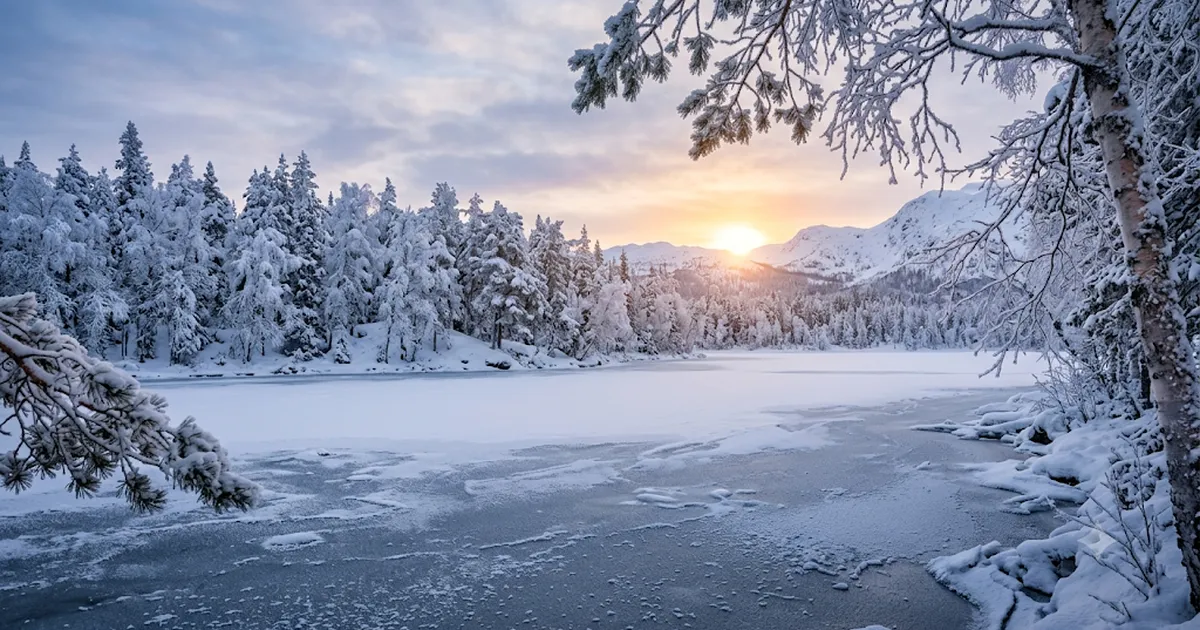
- The trees stood like frozen statues.
- The lake looked like a sheet of glass.
- Snow covered the ground like a white blanket.
- The sky felt as cold as silence.
- The forest stood like a frozen kingdom.
These comparisons help bring winter scenes to life.
Cold Similes for Describing People
Cold similes can describe a person’s attitude, behavior, or personality.
Examples
- He acted as cold as ice.
- Her smile felt as cold as winter.
- His handshake was as cold as stone.
- She gave me a look like frozen steel.
- His expression remained as cold as a fish.
These similes communicate personality traits quickly and effectively.
30 Cold Simile Examples With Meanings and Sentences
1. As Cold as Ice
Meaning: Extremely cold.
Sentence: The water in the lake was as cold as ice.
2. As Cold as a Snowman’s Nose
Meaning: Very cold.
Sentence: My fingers felt as cold as a snowman’s nose.
3. As Cold as Steel
Meaning: Cold and hard.
Sentence: Her voice sounded as cold as steel.
4. As Cold as a January Morning
Meaning: Bitterly cold.
Sentence: The air felt as cold as a January morning.
5. As Cold as a Witch’s Heart
Meaning: Unforgivingly cold.
Sentence: The wind felt as cold as a witch’s heart.
6. As Cold as an Iceberg
Meaning: Extremely cold.
Sentence: The ocean breeze was as cold as an iceberg.
7. As Cold as a Freezer
Meaning: Freezing cold.
Sentence: The basement felt as cold as a freezer.
8. Like Frozen Needles
Meaning: Sharp and painful cold.
Sentence: The wind hit my face like frozen needles.
9. As Cold as Stone
Meaning: Emotionally distant.
Sentence: His response was as cold as stone.
10. As Cold as Frost
Meaning: Light but noticeable cold.
Sentence: The grass felt as cold as frost.
11. As Cold as a Tomb
Meaning: Lifeless and cold.
Sentence: The abandoned house felt as cold as a tomb.
12. Like Ice Water
Meaning: Suddenly chilling.
Sentence: Fear ran through me like ice water.
13. As Cold as a Polar Vortex
Meaning: Exceptionally cold.
Sentence: The night was as cold as a polar vortex.
14. Like a Frozen Lake
Meaning: Still and icy.
Sentence: The surface looked like a frozen lake.
15. As Cold as a Cellar
Meaning: Damp and chilly.
Sentence: The room felt as cold as a cellar.
16. Like Cold Rain
Meaning: Emotionally harsh.
Sentence: His words fell like cold rain.
17. As Cold as a Cave in Winter
Meaning: Deeply cold.
Sentence: The tunnel felt as cold as a cave in winter.
18. Like a Sheet of Glass
Meaning: Smooth and icy.
Sentence: The lake looked like a sheet of glass.
19. As Cold as Snow
Meaning: Naturally cold.
Sentence: Her hands were as cold as snow.
20. Like Winter Air
Meaning: Crisp and chilly.
Sentence: The breeze felt like winter air.
21. As Cold as a Metal Pole in Winter
Meaning: Painfully cold.
Sentence: The railing was as cold as a metal pole in winter.
22. Like a Frozen Grip
Meaning: Tight and chilling.
Sentence: Fear held me like a frozen grip.
23. As Cold as Death
Meaning: Extremely cold.
Sentence: The silence felt as cold as death.
24. Like Sharp Glass
Meaning: Cutting cold.
Sentence: The wind struck my skin like sharp glass.
25. As Cold as a Snowbank
Meaning: Snowy and freezing.
Sentence: The sidewalk was as cold as a snowbank.
26. Like a Blizzard’s Breath
Meaning: Bitterly cold.
Sentence: The air felt like a blizzard’s breath.
27. As Cold as a Fish
Meaning: Cold and unfeeling.
Sentence: His expression remained as cold as a fish.
28. Like Frozen Stone
Meaning: Hard and cold.
Sentence: The statue felt like frozen stone.
29. As Cold as Deep Winter
Meaning: Intensely cold.
Sentence: The night was as cold as deep winter.
30. Like an Arctic Blast
Meaning: Extremely freezing.
Sentence: The wind arrived like an Arctic blast.
How to Create Your Own Cold Similes
Creating a cold simile is simple.

Step 1
Think about what you want to describe.
Step 2
Choose a cold object, place, or experience.
Step 3
Connect them using like or as.
Step 4
Keep the comparison clear and natural.
Example
Feeling: Fear
Cold image: Ice water
Simile: Fear rushed through me like ice water.
Common Mistakes to Avoid
When using cold similes, avoid these common mistakes:
- Repeating “as cold as ice” too often
- Using confusing comparisons
- Making similes unnecessarily long
- Forcing similes into every sentence
- Choosing comparisons that readers cannot relate to
The best similes feel natural and support the overall description.
Practice Exercise
Complete the following similes:
- The water in the lake was as cold as _________.
- The wind cut through my coat like _________.
- His heart felt as cold as _________.
- The forest stood like _________.
- Fear ran through me like _________.
Answers
- Ice
- Frozen needles
- Stone
- Frozen statues
- Ice water
Conclusion
Cold similes are powerful tools that make writing more vivid, descriptive, and memorable. They help readers feel freezing weather, understand emotional distance, and visualize scenes with greater clarity. Whether you use a classic comparison like as cold as ice or create your own unique simile, these expressions add depth and imagery to your writing.
The key is to choose comparisons that feel natural and support your message. With practice, cold similes can transform ordinary sentences into descriptions that readers remember long after they finish reading.
Frequently Asked Questions (FAQs)
What is a cold simile?
A cold simile is a figure of speech that compares something to a cold object, condition, or experience using the words like or as. It helps create vivid imagery and makes descriptions more engaging.
What is the most common cold simile?
The most common cold simile is “as cold as ice.” It is widely used to describe extremely cold temperatures, emotions, or attitudes.
Why are cold similes useful in writing?
Cold similes help readers visualize weather, emotions, and scenes more clearly. They make writing more descriptive, memorable, and engaging.
Can cold similes describe emotions?
Yes. Cold similes are often used to describe emotional distance, indifference, loneliness, or a lack of warmth. For example, “His heart was as cold as stone.”
What is an example of a cold simile for weather?
A good example is “The wind blew like frozen needles.” It helps readers imagine the sharp and painful feeling of cold wind.
What is the difference between a cold simile and a cold metaphor?
A cold simile uses like or as to make a comparison, while a metaphor makes a direct comparison.
Simile: Her hands were as cold as ice.
Metaphor: Her hands were ice.
Can students use cold similes in essays?
Yes. Cold similes can improve descriptive and creative writing by making sentences more vivid and interesting.
How do I create my own cold simile?
Choose something cold, such as ice, frost, snow, or winter air, and compare it to what you are describing using like or as.
Are cold similes only used for winter descriptions?
No. Cold similes can describe weather, emotions, personalities, settings, and even dramatic moments in stories.
What are some alternatives to “as cold as ice”?
Some alternatives include:
- As cold as a snowman’s nose
- As cold as an iceberg
- As cold as steel
- Like frozen needles
- As cold as a January morning
