
Quick Answer
A simile for breakfast compares breakfast to another thing using words like “like” or “as” to create vivid imagery. Writers use breakfast similes to describe taste, comfort, warmth, happiness, and morning energy in a creative way.
Introduction
Breakfast often brings comfort, energy, and warmth to the start of the day. Writers use breakfast similes to describe these feelings in a vivid and memorable way. A good simile can turn a simple meal into a lively image that readers instantly understand.
In this guide, you will learn what a simile for breakfast means, why writers use it, and how you can create your own creative comparisons. You will also discover funny, emotional, romantic, and descriptive breakfast similes that fit many writing styles.
What Does Simile for Breakfast Mean in Writing
A simile compares one thing to another by using words like “as” or “like.” A simile for breakfast connects breakfast with another image to create stronger meaning.
Examples include:
- Breakfast was like sunshine on a cold morning.
- Her breakfast smelled like comfort from childhood.
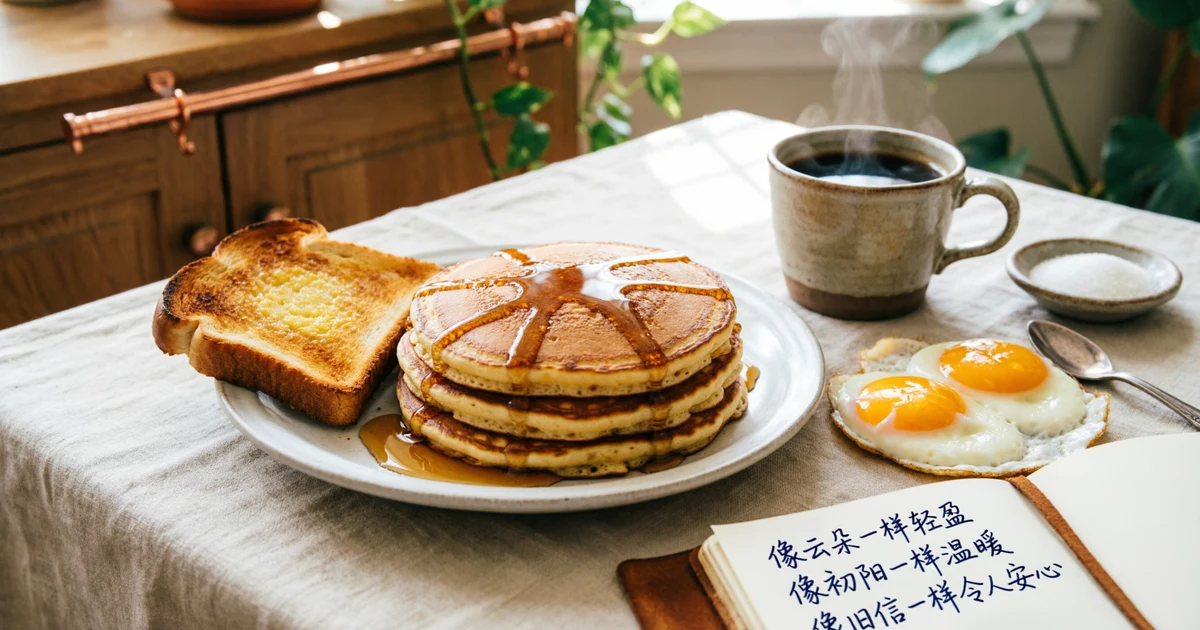
- The pancakes sat on the plate like fluffy clouds.
These comparisons help readers picture the scene more clearly.
Why Writers Use Breakfast Similes in Daily Descriptions
Breakfast appears in everyday life, so readers connect with it easily. Writers use breakfast similes to add emotion and detail to ordinary moments.
A simple comparison can make a sentence feel warmer and more engaging.
For example:
- The kitchen buzzed like a busy café at sunrise.
- His morning coffee felt like fuel for a tired engine.
These lines create stronger imagery than plain descriptions.
Simple Simile for Breakfast Examples Anyone Can Use
Simple similes work well in conversations, essays, and beginner writing.
Examples:
- Breakfast tasted like heaven after the long trip.
- The toast felt as crisp as autumn leaves.
- The orange juice sparkled like liquid gold.
- Her omelet looked like a folded blanket.
- The cereal bowl sat like a tiny mountain of color.
These examples sound natural and easy to understand.
Funny Similes for Breakfast That Sound Clever
Funny similes make writing playful and entertaining.
Examples:
- My pancake looked like a flat football.
- The bacon curled like a sleeping cat.
- His burnt toast tasted like campfire smoke.
- The eggs slid around the plate like dancers on ice.
- My coffee hit me like a wake up alarm.
Humor helps readers enjoy simple food descriptions.
Simile for Breakfast in Morning Routine Writing
Morning routines often feel repetitive, so similes add life and freshness.
Examples:
- The coffee aroma spread through the house like warm perfume.
- The alarm rang like an angry bird.
- Breakfast disappeared like magic before school.
- The kitchen glowed like a peaceful sunrise.
These comparisons help readers feel part of the morning scene.
Creative Similes for a Healthy Breakfast
Healthy meals often represent energy and freshness.
Examples:
- The fruit bowl looked like a rainbow in a basket.
- Oatmeal warmed me like a cozy sweater.
- The smoothie tasted like a garden in spring.
- The yogurt felt as light as fresh air.
Creative food comparisons make healthy eating sound more appealing.
Simile for Breakfast That Describes Warm Comfort
Breakfast often reminds people of home and family.
Examples:
- Grandma’s pancakes felt like a warm hug.
- The soup wrapped around me like a blanket.
- Fresh bread smelled like happiness from the oven.
- The kitchen felt like a safe shelter on a rainy day.
These similes create emotional warmth.
Romantic Similes for Breakfast in Love Writing
Breakfast scenes appear often in romantic stories because they feel intimate and personal.
Examples:
- Her smile shined like morning sunlight over coffee.
- Their breakfast date felt like a peaceful dream.
- His voice sounded as smooth as warm chocolate.
- The café glowed like a scene from a love story.
Romantic similes add softness and emotion.
Simile for Breakfast in Family Conversations
Family breakfasts often include laughter and activity.
Examples:
- The table sounded like a cheerful marketplace.
- The kids rushed around like spinning tops.
- Dad flipped pancakes like a skilled magician.
- The room felt as lively as a festival morning.
These comparisons make family scenes feel realistic.
Beautiful Similes for Breakfast in Food Blogging
Food bloggers rely on vivid language to attract readers.
Examples:
- The syrup flowed like golden silk.
- The berries shined like tiny jewels.
- The croissant cracked like delicate paper.
- The breakfast plate looked like a painted masterpiece.
Beautiful imagery makes food writing more attractive.
Simile for Breakfast That Describes Energy and Freshness
Many people connect breakfast with strength and motivation.
Examples:
- My coffee worked like rocket fuel.
- The fresh juice tasted like pure energy.
- Breakfast hit my stomach like a burst of sunshine.
- The mint tea felt as refreshing as cool rain.
These similes create a lively mood.
Short Similes for Breakfast You Can Use Quickly
Short similes fit captions, social posts, and quick writing.
Examples:
- Sweet like maple syrup.
- Warm like sunrise.
- Crisp like winter air.
- Soft like cotton.
- Bright like morning light.
Short comparisons stay memorable.
Simile for Breakfast in Children’s Stories
Children enjoy colorful and imaginative language.
Examples:
- The waffles stacked like toy blocks.
- The strawberries looked like tiny hearts.
- The oatmeal bubbled like a little volcano.
- The banana curved like a smiling moon.
These images help young readers stay engaged.
Emotional Similes for Breakfast Memories
Breakfast often connects with childhood memories and family traditions.
Examples:
- Mom’s cooking felt like home after a hard day.
- The smell of toast drifted through the house like an old song.
- Sunday breakfasts felt like small celebrations.
- Grandpa’s tea kettle whistled like a familiar tune.
Emotional comparisons create nostalgia.
Simile for Breakfast in Descriptive Essay Writing
Students often use similes to improve descriptive essays.
Examples:
- The café hummed like a beehive.
- Steam rose from the coffee like morning fog.
- The butter melted like soft candle wax.
- The eggs glowed like tiny suns.
Strong imagery improves essay quality and reader interest.
Unique Similes for Breakfast That Feel Original
Fresh similes make writing stand out.
Examples:
- The jam spread across the toast like watercolor paint.
- The pancakes floated on the plate like soft pillows.
- The breakfast tray looked like a tiny celebration.
- The cinnamon smell curled through the room like dancing smoke.
Original comparisons feel more creative and memorable.
Simile for Breakfast That Describes Happiness
Breakfast often represents joy and peace.
Examples:
- The café felt like a pocket of happiness.
- The waffles tasted like a reward after hard work.
- Morning laughter rang like cheerful music.
- The sunny table looked like pure joy.
Happy imagery gives writing positive energy.
Common Mistakes to Avoid When Writing Breakfast Similes
Many writers repeat common comparisons too often.
Avoid these mistakes:
- Using clichés like “sweet as sugar” too much
- Making comparisons that confuse readers
- Adding too many similes in one paragraph
- Choosing images that do not match the mood
- Repeating the same food descriptions
Strong similes sound natural and clear.
How to Create Your Own Simile for Breakfast
You can build better similes by focusing on senses and emotions.
Think about:
- Smell
- Taste
- Texture
- Sound
- Memory
- Mood
For example:
If coffee feels energizing, you might write:
- Coffee hit me like a burst of lightning.
If pancakes feel comforting, you might write:
- Pancakes rested on the plate like soft pillows.
Personal observations create stronger writing.
Best Simile for Breakfast Examples for Creative Inspiration
Here are some of the best breakfast similes collected in one place:
- Breakfast warmed my heart like sunshine after rain.
- The coffee smelled like hope in the morning.
- The pancakes floated like clouds on the plate.
- The kitchen buzzed like a happy café.
- The fruit sparkled like colorful gems.
- The toast cracked like dry autumn leaves.
- The breakfast table looked like a family celebration.
- The smoothie tasted like summer in a glass.
- The syrup poured like liquid gold.
- Morning eggs glowed like tiny suns.
These examples work well in essays, stories, blogs, and social posts.
Conclusion
A strong simile for breakfast can turn a simple meal into a vivid and emotional moment. Whether you want humor, romance, comfort, or creativity, the right comparison helps readers connect with your words more deeply.
Good breakfast similes rely on real feelings, clear imagery, and natural language. Focus on taste, warmth, memory, and atmosphere to create comparisons that sound fresh and meaningful.
FAQs
What is a simile for breakfast?
A simile for breakfast compares breakfast to something else using words like “like” or “as.”
Why do writers use breakfast similes?
Writers use them to create vivid imagery and stronger emotional connection.
What is an example of a breakfast simile?
“Coffee hit me like a burst of energy” is a common example.
Can breakfast similes improve essays?
Yes. They make descriptive writing more engaging and detailed.
Are funny breakfast similes good for storytelling?
Yes. Funny comparisons add personality and entertainment.
How do I create original breakfast similes?
Focus on personal experiences, senses, and emotions instead of common phrases.
Can children use breakfast similes in school writing?
Yes. Simple similes help children improve creativity and description skills.
What makes a breakfast simile effective?
Clear imagery, natural wording, and emotional connection make it effective.
Should I use many similes in one paragraph?
No. Too many similes can make writing feel crowded.
Where can I use breakfast similes?
You can use them in essays, stories, food blogs, poems, and social media captions.
