
Quick Answer
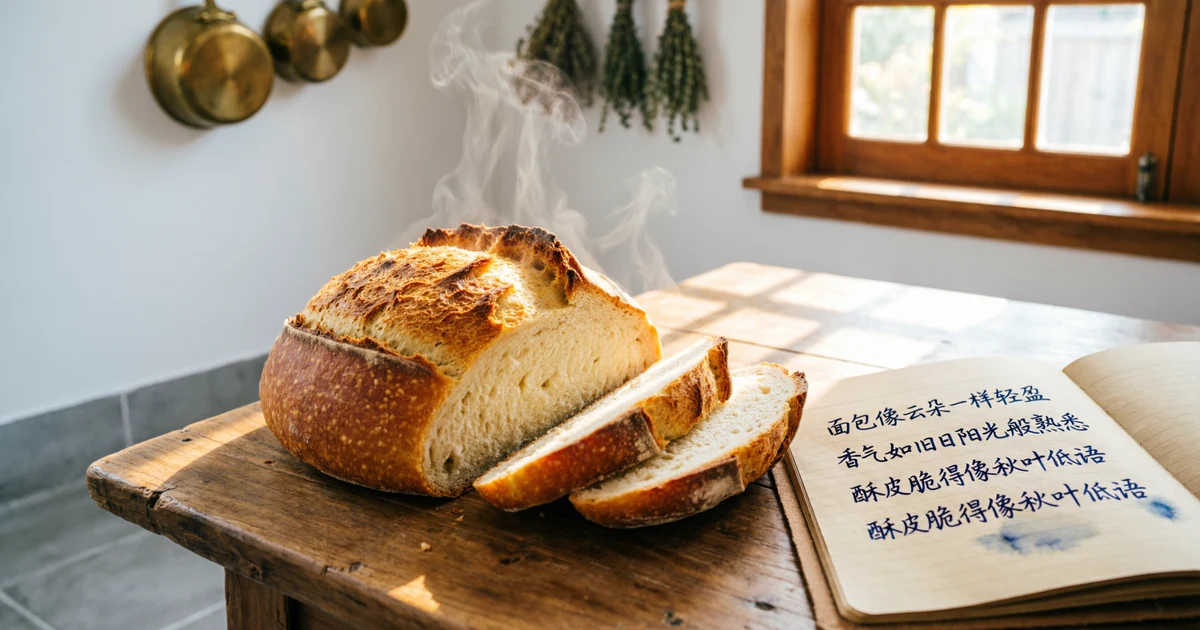
A simile for bread compares bread to something else using words like “as” or “like” to describe its softness, warmth, smell, texture, or appearance. Writers use bread similes to make descriptions feel more vivid and relatable.
Introduction
Bread appears in daily life, family meals, stories, and emotional memories. Writers often compare bread to familiar feelings, textures, and experiences to make descriptions stronger and easier to imagine. A good simile for bread can turn a plain sentence into something warm, vivid, and memorable.
In this guide, you will discover creative similes for bread, practical writing examples, emotional comparisons, and useful tips for creating your own original similes naturally. Whether you write poetry, stories, reviews, or school assignments, these examples will help you describe bread in a more engaging way.
What Does Simile for Bread Mean in Writing
A simile compares one thing to another using words like “as” or “like.” A simile for bread helps readers picture its softness, warmth, smell, or appearance more clearly.
Examples include:
- Warm like fresh bread from the oven
- Soft as a cloud of rising dough
- Golden like toasted wheat in sunlight
These comparisons make writing more vivid and relatable.
Why Writers Use Bread Similes in Creative Expression
Bread connects with comfort, family, hunger, and tradition. Writers use bread similes because readers already understand how bread feels, smells, and tastes.
Bread similes can:
- Create emotional warmth
- Improve food descriptions
- Add realism to storytelling
- Make poetry sound more natural
- Help readers imagine scenes quickly
For example:
“Her smile felt warm like fresh bread on a winter morning.”
This comparison creates comfort and emotional connection instantly.
Simple Simile for Bread Examples Anyone Can Understand
Simple similes work best in everyday writing and beginner level creative work.
Examples:
- Soft like warm bread
- Round as a bakery bun
- Golden like toasted bread
- Light as rising dough
- Warm like bread from the oven
These comparisons sound natural and easy to remember.
Simile for Bread Freshness in Daily Descriptions
Fresh bread often symbolizes energy, comfort, and quality. Writers use fresh bread similes in food blogs, stories, and restaurant descriptions.
Examples:
- Fresh as bread baked at sunrise
- Warm like bread straight from the oven
- Crisp as newly toasted bread
- Inviting like the smell of fresh bread
These similes help readers almost taste and smell the scene.
Funny Similes for Bread That Sound Clever and Memorable
Funny similes add humor and personality to writing.
Examples:
- Flat like forgotten sandwich bread
- Puffy as bread left too long in the oven
- Crumbly like cheap bakery toast
- Stiff as bread from last month
Humorous comparisons work well in casual blogs and social media captions.
Simile for Bread Softness in Food Writing
Softness remains one of the most common qualities writers describe about bread.
Examples:
- Soft as a pillow of dough
- Tender like freshly baked milk bread
- Fluffy as bakery rolls
- Smooth like buttered bread
Food reviewers often use these similes to create mouthwatering descriptions.
Beautiful Similes for Bread in Poetry and Literature
Poetry uses bread as a symbol of life, warmth, and simplicity.
Examples:
- Golden like morning bread beneath sunlight
- Gentle as bread shared among friends
- Quiet like dough rising before dawn
- Rich as the scent of village bread
These comparisons create emotional imagery without sounding forced.
Simile for Bread Warmth in Emotional Storytelling
Warm bread often reminds people of home and comfort.
Examples:
- Her hug felt warm like fresh bread
- The kitchen glowed like bread in the oven
- His kindness spread like warmth from baked bread
These similes fit emotional scenes perfectly.
Romantic Similes for Bread and Comfort Feelings
Bread can symbolize safety, care, and affection in romantic writing.
Examples:
- Her voice felt soft like warm bread
- Love wrapped around him like bakery warmth
- Their home smelled comforting like fresh bread
These comparisons sound intimate without becoming overly dramatic.
Simile for Bread Crust in Descriptive Sentences
Writers often describe crust to show texture and appearance.
Examples:
- Crisp like toasted bread edges
- Rough as bakery crust
- Golden like crackling bread skin
- Crunchy as oven baked crust
These similes help readers imagine texture clearly.
Creative Similes for Bread Rising and Growth
Rising bread connects naturally with growth, hope, and progress.
Examples:
- Dreams rose like bread dough in warmth
- Confidence grew like rising bread
- The business expanded like dough in the oven
These similes work well in motivational writing.
Simile for Bread Smell That Feels Realistic
The smell of bread creates strong emotional reactions and memories.
Examples:
- Sweet like fresh bakery bread
- Comforting as bread baking on Sunday morning
- Rich like warm wheat from the oven
Strong sensory comparisons make scenes more believable.
Short Similes for Bread You Can Use Quickly
Short similes fit captions, poems, and conversations.
Examples:
- Warm like bread
- Soft as dough
- Golden like toast
- Fresh as bakery bread
- Light as rising dough
These quick comparisons work in many situations.
Simile for Bread Texture in Restaurant Reviews
Food writers often describe texture to help readers understand quality.
Examples:
- Airy like handmade sourdough
- Dense as old bakery rye bread
- Chewy like artisan bread crust
- Smooth like buttery brioche
Specific texture comparisons improve food reviews greatly.
Emotional Similes for Bread and Family Memories
Bread often appears in family traditions and childhood memories.
Examples:
- Her kitchen felt comforting like warm bread
- Memories returned like the smell of baking bread
- Family dinners gathered everyone like fresh bread at the table
These similes create emotional depth naturally.
Simile for Bread in Children’s Writing Activities
Children learn similes easily through food comparisons because they already know bread well.
Simple classroom examples include:
- Soft as sandwich bread
- Round like a bread roll
- Warm like toast
- Puffy like rising dough
Teachers often use these examples to explain figurative language clearly.
Cultural Meaning Behind Bread Similes in Language
Bread symbolizes survival, sharing, and home in many cultures. Because of this, bread similes often carry emotional meaning beyond food itself.
Writers use bread to represent:
- Family comfort
- Daily life
- Generosity
- Simplicity
- Hard work
For example:
“He earned money like bread for the family table.”
This comparison connects bread with responsibility and care.
Simile for Bread in Everyday Conversation Examples
People naturally use bread similes in daily speech.
Examples include:
- This blanket feels soft like fresh bread
- The bakery smells warm like home
- His jokes land flat like stale bread
These comparisons sound casual and relatable.
Common Mistakes People Make When Writing Bread Similes
Many writers create weak similes by overcomplicating them.
Common mistakes include:
- Using confusing comparisons
- Repeating common phrases too often
- Adding too many descriptive words
- Mixing unrelated images
Weak example:
“Soft like a magical floating bread cloud from another universe.”
Better example:
“Soft like warm bread from the oven.”
Simple comparisons usually sound stronger.
Tips to Create Original Similes for Bread Naturally
Good similes come from observation and real experience.
Helpful tips:
- Focus on one quality at a time
- Use familiar comparisons
- Think about smell, texture, and warmth
- Keep comparisons short
- Read your sentence aloud
Ask yourself questions like:
- Does this comparison sound natural?
- Can readers imagine it easily?
- Does it match the emotion of the scene?
Strong similes feel effortless and clear.
Conclusion
A strong simile for bread can make writing feel warmer, richer, and more memorable. Bread offers endless inspiration because people connect it with comfort, family, freshness, and emotion. Whether you write poetry, stories, restaurant reviews, or everyday descriptions, these similes help readers picture your words more clearly.
Use simple comparisons when you want clarity and emotional similes when you want deeper connection. With practice, you can create original bread similes that sound natural and engaging in any type of writing.
FAQs
What is a simile for bread?
A simile for bread compares bread to something else using words like “as” or “like.”
Why do writers use bread similes?
Writers use bread similes to create warmth, realism, and emotional connection.
What is an example of a bread simile?
“Soft as warm bread” is a common example.
Can bread similes work in poetry?
Yes. Bread similes fit poetry because they create vivid sensory imagery.
What makes a good simile for bread?
A good simile sounds natural, clear, and easy to imagine.
Are bread similes useful in food reviews?
Yes. They help describe texture, smell, and freshness more clearly.
Can children learn similes through bread examples?
Yes. Bread comparisons feel simple and familiar for young learners.
What emotions do bread similes usually express?
They often express comfort, warmth, family, and happiness.
How can I create original bread similes?
Focus on real experiences with bread such as smell, texture, warmth, or appearance.
What is a funny simile for bread?
“Flat like forgotten sandwich bread” sounds humorous and memorable
