

Introduction
Every important journey begins with a single moment. It may be the first day at a new school, the start of a career, the opening of a business, or the decision to move forward after a difficult time. Beginnings can bring excitement, curiosity, hope, fear, and uncertainty. Because these feelings are often complex, simple descriptions may not fully capture them.
A well-chosen simile for beginning gives readers a clear picture of what a fresh start feels like. Instead of writing, “She was excited about her new life,” you could write, “Her new life opened like a window welcoming the morning light.” The second sentence creates a stronger image and adds emotional depth.
Similes are useful in stories, essays, poems, speeches, journal entries, social media captions, and everyday writing. They help readers connect with a moment by linking it to something familiar, such as a sunrise, a growing seed, an open road, or the first page of a book.
This guide explains the meaning of a simile for beginning, why writers use these comparisons, and how to create original examples. You will also find creative similes for new beginnings, life changes, journeys, friendship, learning, success, personal growth, and more.
Quick Answer
A simile for beginning compares the start of something to a familiar image by using words such as “like” or “as.” These comparisons can make a new journey, fresh start, relationship, goal, or life change feel more vivid and meaningful. For example, “Her new beginning felt like sunrise after a long night” expresses hope, renewal, and the promise of better days.
What Does Simile for Beginning Mean?
A simile for beginning compares the start of an event, experience, relationship, journey, or idea to something else by using words such as “like” or “as.”
The comparison helps readers understand both the action and the emotion connected to the beginning.
For example:
- A new beginning felt like the first sunrise after a long winter.
- Her journey started like a bird leaving its nest.
- The project opened like a fresh page waiting for a story.
- His dream began like a small spark in the darkness.
Each example compares a beginning to an image that readers can easily imagine.
A sunrise suggests hope. A bird leaving its nest suggests independence and adventure. A blank page represents possibility. A spark represents a small idea with the potential to grow.
The best similes do more than decorate a sentence. They help readers understand the mood of the moment.

Why Writers Use Similes to Describe a Beginning
Beginnings are often filled with mixed emotions. A person may feel hopeful and nervous at the same time. A new opportunity may seem exciting but uncertain. Similes make these emotions easier to express.
Writers use similes for beginnings because they can:
- Create clear mental images
- Make emotions easier to understand
- Add beauty and personality to writing
- Turn simple ideas into memorable descriptions
- Help readers connect with a new experience
- Show whether a beginning feels hopeful, difficult, peaceful, or exciting
Consider these two sentences:
Plain sentence:
Starting college was exciting and frightening.
Sentence with a simile:
Starting college felt like standing at the edge of a wide ocean, ready to explore but unsure what lay ahead.
The simile creates a stronger picture. It also shows both excitement and uncertainty without explaining every feeling directly.
Simple Similes for Beginning
Simple similes are useful for students, beginner writers, daily conversations, and short pieces of writing. They use familiar images that are easy to understand.
- Like opening a new door
- Like turning the first page of a book
- Like watching the sun rise
- Like planting a tiny seed
- Like taking the first step on a long road
- Like opening a window to fresh air
- Like starting a new chapter
- Like seeing the first flower of spring
- Like lighting a candle in a dark room
- Like hearing the first note of a song
Example sentences:
- Her new job felt like opening a door full of possibilities.
- The school year began like the first page of an exciting book.
- His goal started like a tiny seed that needed time to grow.
- Moving to a new city felt like stepping onto an unfamiliar road.
Simple comparisons are often powerful because readers understand them immediately.
Creative Similes for a New Beginning in Life
A new beginning can happen after a major change, a difficult experience, or an important decision. These moments often carry hope and uncertainty.
- Her fresh start felt like rain washing dust from the earth.
- His new life opened like a flower after a long winter.
- Moving to a new city felt like entering a story with blank pages.
- The change arrived like morning light slowly filling a quiet room.
- Her future stretched ahead like a road beyond the mountains.
- Starting again felt like clearing a garden and preparing the soil for new growth.
- His next chapter unfolded like a map revealing hidden paths.
- The new opportunity appeared like a bridge across a deep river.
These similes work well in personal essays, inspirational articles, memoirs, and reflective writing.
Powerful Similes for the Beginning of a Journey
A journey may involve travel, personal growth, education, or a long-term goal. Journey similes often use images of roads, ships, maps, mountains, and open skies.
- The journey began like a ship sailing toward unknown waters.
- Her path opened like a map filled with hidden destinations.
- The adventure started like a train leaving the station.
- His journey moved forward like a river finding its way to the sea.
- The road ahead stretched like a ribbon across the hills.
- Their expedition began like a door opening into another world.
- The first step felt like placing a foot on unexplored ground.
- Her adventure started like a kite rising into a wide blue sky.
Example:
The journey began like a ship leaving a familiar harbor, carrying both excitement and uncertainty into the distance.
Similes for the Beginning of a Love Story
Love stories often begin with curiosity, comfort, trust, or a surprising connection. Gentle images can make these moments feel warm and meaningful.
- Their relationship began like music softly filling a quiet room.
- Meeting him felt like finding a familiar path in an unfamiliar place.
- Their story started like stars appearing one by one at dusk.
- Their connection grew like a garden cared for with patience.
- The first conversation flowed like a calm river.
- Their friendship opened like a flower welcoming the sun.
- Their bond began like two paths slowly joining together.
- Getting to know each other felt like reading the first pages of a beautiful story.
These comparisons work well in novels, poems, personal writing, and romantic stories.
Emotional Similes for Starting Over
Starting over can involve sadness, courage, hope, and personal growth. A meaningful simile can show both the difficulty of the past and the possibility of the future.
- Starting again felt like sunlight breaking through heavy clouds.
- Her new beginning was like a small candle glowing through the darkness.
- Moving forward felt like finding solid ground after a storm.
- His hope returned like green leaves after a harsh winter.
- Beginning again felt like rebuilding a home one brick at a time.
- Her confidence grew like morning light spreading across the sky.
- The new chapter opened like clear skies after days of rain.
- His future felt like a path becoming visible through the fog.
These examples are emotional without becoming overly dramatic.
Similes for the Beginning of Success and Growth
Success usually begins with a small action, a simple idea, or a decision to keep trying. Similes can show how progress develops over time.
- Success began like a tiny spark growing into a steady flame.
- Her confidence grew like a tree reaching toward the sunlight.
- The business started like a seed taking root in rich soil.
- His skills developed like a river becoming stronger as it moved forward.
- The idea spread like sunlight across a morning field.
- Her progress was like a staircase built one step at a time.
- The project began like a single thread that slowly became a strong fabric.
- His ambition rose like the sun above the horizon.
Example:
Her success began like a small seed, growing stronger through patience, practice, and steady effort.
Short Similes for Beginning
Short similes are useful in captions, messages, poems, introductions, and quick creative writing.
- Like a rising sun
- Like fresh rain
- Like a blank canvas
- Like an open gate
- Like a new page
- Like a waking dream
- Like the first light of morning
- Like a seed in spring
- Like a spark in the dark
- Like a road waiting to be explored
- Like a flower beginning to bloom
- Like a window opening to the sky
Example sentences:
- Her idea arrived like a rising sun.
- The opportunity felt like an open gate.
- The new year appeared like a blank canvas.
Poetic Similes for a Fresh Start
Poetic similes use vivid imagery and a softer emotional tone. They are useful in poetry, fiction, speeches, and reflective writing.
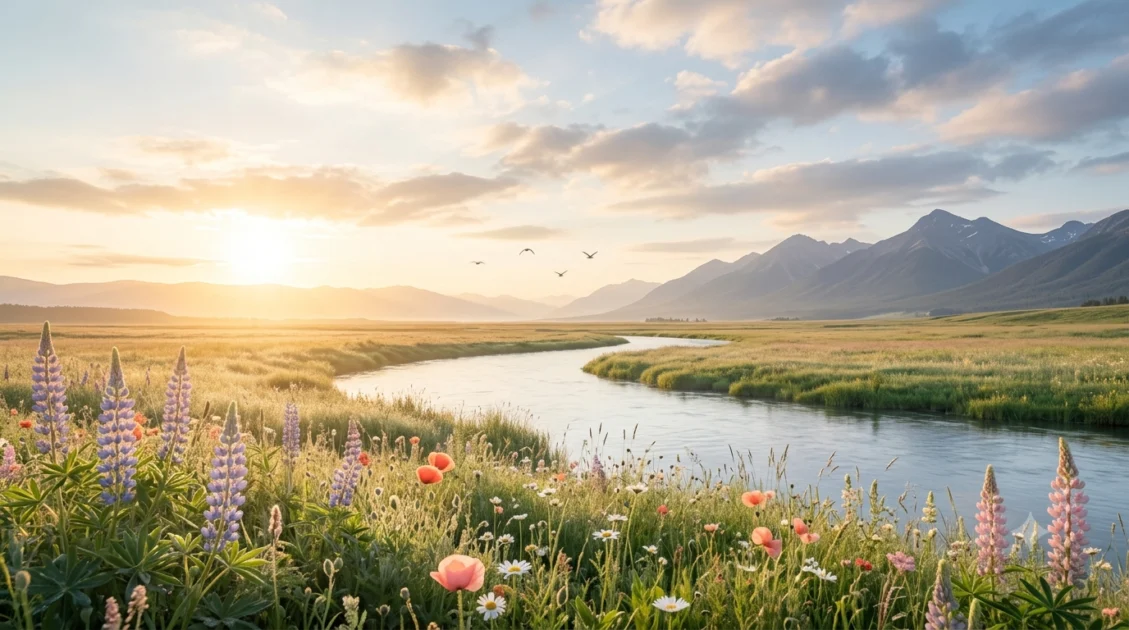
- Her future stretched like golden light across the horizon.
- The morning felt like hope wrapped in silence.
- His new beginning flowed like a quiet river after rain.
- The new chapter opened like petals beneath the morning sun.
- Her dreams rose like birds carried by a warm wind.
- The future shimmered like sunlight across clear water.
- His hopes moved like clouds slowly crossing a bright sky.
- The beginning arrived like spring returning to a sleeping field.
Similes for the Beginning of Friendship
Friendships may begin with a simple conversation, a shared interest, or an unexpected meeting. These similes can express connection and trust.
- Their friendship began like two candles sharing one flame.
- Meeting her felt like finding shade on a hot day.
- Their bond grew like roots beneath the earth.
- Their first conversation flowed like a familiar song.
- The friendship started like two paths meeting at a crossroads.
- Their connection developed like a bridge built one piece at a time.
- Their friendship grew like a garden strengthened by care.
- Getting to know each other felt like discovering a hidden treasure.
Nature-Inspired Similes for Beginning
Nature provides clear and timeless images for fresh starts. Seasons, plants, weather, water, and light can all represent change and growth.
- The new chapter arrived like spring after winter.
- Her dream opened like petals in morning sunlight.
- The idea spread like rain across dry land.
- His future rose like the sun over the hills.
- The beginning felt like a river leaving its source.
- Her confidence grew like a young tree in fertile soil.
- The opportunity appeared like the first green leaf of spring.
- The new journey started like dawn slowly brightening the sky.
Nature-based similes often feel natural because readers already connect seasons and growth with change.
Similes for Beginning School or Learning
Starting school or learning a new skill can feel exciting, challenging, and unfamiliar.
- The first day of school felt like walking onto a stage.
- Learning a language was like building a bridge one word at a time.
- His studies began like lighting a lamp in a dark room.
- The new classroom felt like a door to another world.
- Learning to read was like receiving a key to a library.
- The lesson opened like a puzzle waiting to be solved.
- Her education grew like a tree gaining a new branch each year.
- Starting the course felt like stepping onto a long path filled with discoveries.
Funny Similes for Beginning
Funny similes can make writing more entertaining. They work especially well in casual stories, blogs, school writing, and humorous captions.
- Starting the project felt like pushing a shopping cart with one broken wheel.
- My exercise routine began like a sleepy turtle climbing stairs.
- His diet started like a movie trailer full of big promises.
- The meeting began like a computer taking forever to load.
- My new hobby started like a puzzle with half the pieces missing.
- The group project began like a band trying to play without practice.
- My morning started like an alarm clock arguing with a tired bear.
- The plan began like a rocket but moved like a snail.
Humor works best when the comparison is surprising but still easy to understand.
How to Create Your Own Simile for Beginning
Creating an original simile is easier when you focus on the feeling first.
1. Identify the emotion
Ask how the beginning feels.
It may be:
- Hopeful
- Exciting
- Nervous
- Peaceful
- Uncertain
- Difficult
- Inspiring
- Unexpected
2. Choose a clear image
Pick something readers can easily picture.
Possible images include:
- Sunrise
- Open road
- Growing seed
- Bright spark
- New book
- Flowing river
- Opening door
- Blooming flower
3. Connect the emotion to the image
For example:
Emotion: Hopeful
Image: Sunrise
Simile:
Starting over felt like watching the sun rise after a long night.
4. Keep the comparison natural
A strong simile should be clear and meaningful.
Weak:
The beginning felt like a beginning.
Stronger:
The beginning felt like the first light of dawn spreading across the sky.
5. Add the simile to a complete sentence
Instead of writing only:
Like a new road
Write:
Her future opened like a new road leading beyond the horizon.
The complete sentence gives the comparison more meaning.
Common Mistakes When Writing Similes for Beginning
Even creative similes can become weak if they are confusing or overused.
Using too many clichés
Common expressions such as “like a new chapter” or “like a ray of sunshine” can still work, but repeated use may make writing feel predictable.
Try adding a specific detail:
Basic:
Her life was like a new chapter.
More vivid:
Her life felt like a new chapter with empty pages waiting for her choices.
Comparing unrelated ideas
A simile should create a clear connection.
Confusing:
The beginning felt like a blue sandwich.
The image does not explain the emotion or experience.
Clear:
The beginning felt like opening a door to an unfamiliar room.
Making the simile too long
A comparison should support the sentence, not overwhelm it.
Overly long:
Starting school felt like walking through a giant forest where every tree represented a different subject and every bird represented a teacher.
Clearer:
Starting school felt like entering a large forest filled with new paths.
Repeating the same image
Avoid using sunrise in every example. Mix different images, such as roads, seeds, doors, rivers, books, and stars.
Explaining the comparison too much
Trust the image when it is clear.
Less effective:
Her future was like sunrise because sunrise is bright and shows that a new day has started.
Stronger:
Her future rose like the sun above the horizon.
Best Simile for Beginning Examples
Here are creative examples for stories, essays, poems, and personal writing:
- The journey began like thunder rolling across distant hills.
- Her future opened like a window filled with morning light.
- The new year arrived like rain waking a sleeping forest.
- His dream began like a whisper that slowly became a powerful voice.
- Their adventure started like waves rushing toward an open shore.
- The opportunity appeared like a bridge across unfamiliar ground.
- Her confidence rose like a bird learning to use its wings.
- The first step felt like placing a foot on a road no one had traveled before.
- His idea grew like a spark becoming a steady fire.
- The new chapter unfolded like a map revealing hidden places.
- Their friendship began like two streams joining into one river.
- The future stretched ahead like a clear road beneath a wide sky.
- Her dream opened like a flower after a season of waiting.
- The project started like a single note before a full song.
- Starting again felt like breathing fresh air after a long journey.
Conclusion
A strong simile for beginning can make an ordinary sentence feel vivid, emotional, and memorable. By comparing a fresh start to a sunrise, open road, growing seed, flowing river, or opening door, writers can help readers understand what the moment feels like.
The most effective similes are clear, relevant, and easy to imagine. They should match the emotion of the beginning and add meaning without making the sentence confusing.
Whether you are writing about a new life, school, friendship, journey, dream, goal, or personal change, the right comparison can bring your words to life. Start with the emotion, choose a strong image, and connect the two naturally.
With practice, you can create original similes that make every beginning feel hopeful, exciting, meaningful, or unforgettable.
FAQs
What is a simile for beginning?
A simile for beginning compares the start of something to a familiar image by using words such as “like” or “as.” For example, “Her new beginning felt like sunrise after a long night.”
What are common similes for new beginnings?
Common examples include:
- Like opening a new door
- Like the first page of a book
- Like sunrise after darkness
- Like planting a new seed
- Like starting a new chapter
Why do writers use similes for beginning?
Writers use similes to create imagery, express emotions, make ideas easier to understand, and help readers connect with a new experience.
Can I use similes in everyday writing?
Yes. Similes can be used in conversations, essays, stories, speeches, journal entries, captions, and social media posts.
What makes a good simile for beginning?
A good simile is clear, relevant, meaningful, and easy to imagine. It should match the emotion of the beginning.
Can similes describe emotional beginnings?
Yes. Similes can express hope, excitement, fear, uncertainty, confidence, peace, and personal growth.
What is a poetic simile for a new beginning?
“Her future stretched like golden light across the horizon.”
How can I create an original simile for beginning?
First, identify the emotion. Next, choose an image that represents that feeling. Then connect the two using “like” or “as.”
What is the difference between a simile and a metaphor?
A simile compares two things using words such as “like” or “as.” A metaphor makes a direct comparison without using those words.
Simile:
Her future was like a rising sun.
Metaphor:
Her future was a rising sun.
Are similes useful in creative writing?
Yes. Similes make stories, poems, essays, and descriptive writing more vivid by creating strong images and emotional connections.
