
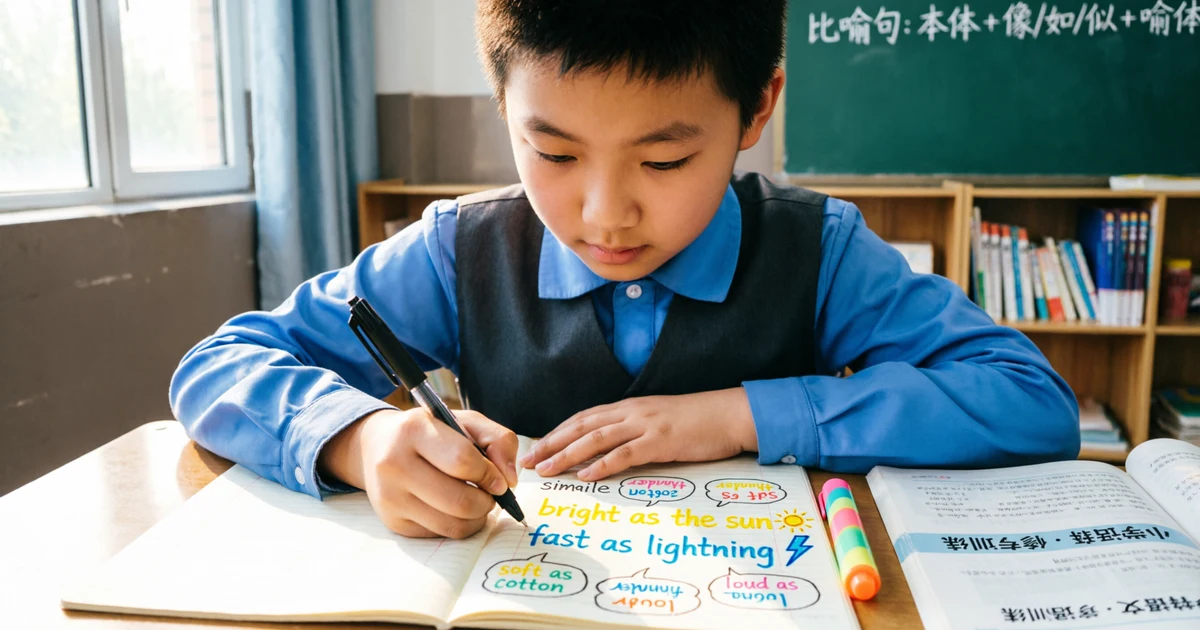
Quick Answer Box
A simile sentence compares two different things using words like “as” or “like” to create a clear mental image. Examples include “He runs like the wind” and “Her smile shines like the sun.”
Introduction
Good writing paints clear pictures in the reader’s mind. Simile sentences help writers create those pictures with simple comparisons that feel vivid and easy to understand. People use similes in conversations, stories, poems, speeches, and school essays because they make language more expressive and memorable.
In this guide, you will learn what simile sentences are, how they work, and how to write them naturally. You will also discover practical sentence examples, creative ideas, common mistakes, and useful tips that can improve both writing and speaking skills.
What Are Simile Sentences in Simple Words
A simile sentence compares two different things by using words like “as” or “like.” This comparison helps readers imagine something more clearly.
Examples:
- Her smile shined like the sun.
- The baby slept as peacefully as a kitten.
- He ran like the wind.
These sentences compare one thing to another in a simple and creative way.
How Simile Sentences Make Writing More Powerful
Similes add color and emotion to writing. Instead of giving plain descriptions, they help readers feel connected to the words.
Compare these two sentences:
- The coffee was hot.
- The coffee was as hot as lava.
The second sentence creates a stronger image. Readers can instantly imagine the heat.
Similes also help writers:
- Make stories more interesting
- Describe emotions clearly
- Add humor to conversations
- Improve creative writing skills
Difference Between a Simile and a Metaphor in a Sentence
Many people confuse similes with metaphors. Both compare things, but they work differently.
A simile uses “like” or “as.”
Example:
- She sings like an angel.
A metaphor speaks directly without comparison words.
Example:
- She is an angel on stage.
Similes sound softer and easier for beginners, while metaphors often feel deeper and more dramatic.
Common Words Used to Create Simile Sentences
Certain words appear often in simile sentences.
Common comparison words include:
- Like
- As
- Similar to
- Resembles
Examples:
- The water looked like glass.
- He fought as bravely as a lion.
- Her voice resembled sweet music.
These simple words make comparisons easy to understand.
Easy Simile Sentence Examples for Beginners
Beginners should start with clear and familiar comparisons.
Examples:
- The snow looked like white cotton.
- My brother eats like a horse.
- The classroom felt as quiet as a library.
- Her hands were as cold as ice.
- The stars sparkled like diamonds.
These examples use everyday objects and feelings that readers recognize quickly.
Short Simile Sentences You Can Use Every Day
Short similes work well in daily conversations.
Examples:
- Busy as a bee
- Light as a feather
- Cold as ice
- Fast as lightning
- Quiet like a mouse
People use these expressions naturally because they sound simple and memorable.
Simile Sentences About Love and Emotions
Similes help describe feelings in a more emotional way.
Examples:
- Her love felt like warm sunshine.
- My heart raced like a drum.
- His words cut like a knife.
- She looked as happy as a child on a holiday.
- The sadness hung over him like a dark cloud.
These comparisons make emotions easier to picture and understand.
Funny Simile Sentences That Sound Creative
Funny similes add humor and personality to writing.
Examples:
- He danced like a chicken on roller skates.
- She screamed like a cat during bath time.
- My hair stood up like a frightened porcupine.
- He snored like a broken engine.
- The dog ran around like a tornado.
Creative comparisons often make readers smile and remember the sentence longer.
Simile Sentence Examples for Students
Students often need similes for homework, essays, and classroom activities.
Examples:
- The teacher’s voice sounded like thunder.
- The test felt as hard as climbing a mountain.
- The school bus moved like a slow turtle.
- Her notebook looked as neat as a printed book.
- The classroom buzzed like a busy market.
These examples work well for academic writing and practice exercises.
Simile Sentences for Kids With Easy Meanings
Kids learn faster when examples stay simple and visual.
Examples:
- The moon looked like a giant cookie.
- The puppy jumped like popcorn.
- Her cheeks were as red as apples.
- The bird sang like music.
- The pillow felt soft like a cloud.
Simple images help children understand comparisons quickly.
How to Write a Strong Simile Sentence Step by Step
You can create strong similes by following a few easy steps.
Step 1: Choose the subject
Example:
- The car moved fast.
Step 2: Think of something similar
Example:
- Lightning moves fast.
Step 3: Connect them naturally
Final sentence:
- The car moved like lightning.
Good similes feel natural and easy to imagine.
Mistakes People Make When Writing Simile Sentences
Many writers overcomplicate similes or use comparisons that confuse readers.
Common mistakes include:
- Using comparisons that make no sense
- Adding too many similes in one paragraph
- Repeating old clichés too often
- Making comparisons too long
Weak example:
- He was like a machine mixed with thunder and racing water.
Better example:
- He moved like a machine.
Clear comparisons always work better.
Simile Sentences That Describe People Clearly
Similes help writers describe appearance, behavior, and personality.
Examples:
- He stood as tall as a tree.
- Her eyes sparkled like stars.
- The athlete ran like a cheetah.
- She stayed calm like a monk.
- His voice sounded rough like gravel.
These descriptions create stronger mental images.
Simile Sentences About Nature and Weather
Nature gives writers many beautiful comparison ideas.
Examples:
- The river flowed like silk.
- The wind howled like wolves.
- The sky looked as blue as the ocean.
- Rain fell like silver strings.
- The leaves danced like butterflies.
Nature based similes often make writing feel poetic and vivid.
Simile Sentences Used in English Literature
Famous writers use similes to create memorable scenes and emotions.
Example:
- “My love is like a red rose.”
This classic simile creates a strong image of beauty and affection.
Literature often uses similes to:
- Build emotion
- Describe characters
- Create atmosphere
- Make scenes unforgettable
Reading books and poems can help writers learn creative comparisons naturally.
Creative Simile Sentence Examples for Story Writing
Story writers use similes to make scenes more engaging.
Examples:
- The castle stood like a giant shadow in the night.
- Fear crawled through him like icy water.
- The old door creaked like a crying ghost.
- Her laughter floated through the room like music.
- The forest looked dark like a hidden secret.
These examples help readers imagine the scene clearly.
Simile Sentences for School Homework and Essays
Teachers often ask students to include figurative language in assignments.
Good similes for essays include:
- The city lights shined like stars.
- Hard work acts like a key to success.
- Knowledge spreads like fire.
- Time moves like a racing train.
- The crowd roared like thunder.
These sentences sound natural in educational writing.
How Simile Sentences Improve Speaking Skills
Similes improve speaking because they make conversations more expressive and interesting.
Instead of saying:
- I am very tired.
You can say:
- I feel as tired as an old dog after a long walk.
People often remember colorful language better than plain statements.
Similes also help speakers:
- Sound more confident
- Explain ideas clearly
- Tell better stories
- Keep listeners engaged
Practice Exercises to Create Better Simile Sentences
Practice helps writers create stronger comparisons naturally.
Try these exercises:
Complete the sentence
- The cake tasted as sweet as _____
- The road stretched like _____
- Her voice sounded like _____
Create your own simile
Pick an object and compare it to something familiar.
Example:
- The lamp glowed like a tiny moon.
Rewrite plain sentences
Plain sentence:
- The water was cold.
Improved sentence:
- The water felt as cold as ice.
Best Tips to Make Simile Sentences Sound Natural
Strong similes sound simple and believable.
Useful tips:
- Use familiar comparisons
- Keep sentences short
- Match the mood of the writing
- Avoid forced creativity
- Read books to learn natural examples
Good similes help readers imagine something instantly without confusion.
Conclusion
Simile sentences make writing more vivid, emotional, and engaging. They help writers explain ideas through simple comparisons that readers can picture easily. Whether you write essays, stories, poems, or daily messages, similes can improve the way you express thoughts and emotions.
The best similes feel natural and clear. With regular practice, you can create comparisons that make your writing stronger and more memorable.
FAQs
What is a simile sentence?
A simile sentence compares two things by using words like “as” or “like.”
What are common examples of similes?
Examples include “busy as a bee” and “cold as ice.”
Why do writers use similes?
Writers use similes to create vivid images and stronger emotions.
What is the difference between a simile and a metaphor?
A simile uses comparison words like “like” or “as,” while a metaphor compares directly.
Can kids learn simile sentences easily?
Yes. Simple comparisons help children understand language quickly.
How do similes improve writing?
They make descriptions more creative, visual, and memorable.
What words help create similes?
Words such as “like” and “as” help form simile sentences.
Are similes useful in essays?
Yes. Similes can make essays more interesting and expressive.
Can similes improve speaking skills?
Yes. They help speakers sound more engaging and descriptive.
How can I practice writing similes?
Read examples, rewrite plain sentences, and create comparisons from daily life.
